


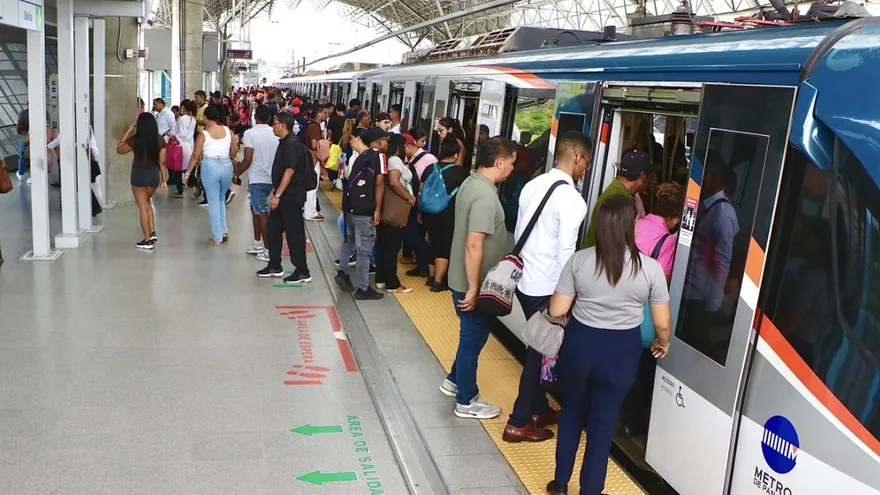
Panama Metro to Implement New Operational Plan Amidst Passenger Surge
Translated from Spanish, summarized and contextualized by DistantNews.
TLDR
- Panama Metro will implement a new operational plan starting May 11 to manage increased passenger demand.
- The plan aims to improve passenger flow during peak hours by allowing boarding from both platforms at terminal stations.
- The Metro attributes the sustained increase in users to rising fuel prices, noting a rise from 380,000 to 420,000 daily passengers in the last month.
The Panama Metro is proactively addressing a significant surge in passenger numbers with a new operational plan set to launch on Monday, May 11. This strategic move is designed to optimize service and enhance the passenger experience during peak hours, a period that has seen a consistent rise in demand over recent weeks. The transit authority is responding to a clear shift in public mobility, directly linking the increased ridership to the escalating costs of fuel.
Central to the new plan is the innovative approach of allowing train boarding from both platforms at terminal stations. This will be implemented at Villa Zaita and Albrook on Line 1, and San Miguelito 2 on Line 2. By enabling trains to alternate their arrival at platforms, the Metro aims to distribute passengers more efficiently, reduce congestion, and ultimately provide a more agile, orderly, and secure service. This measure is expected to ensure trains arrive at high-demand stations with more available space, a crucial factor given the recent growth.
The data underscores the necessity of these changes: daily passenger numbers have climbed from approximately 380,000 to 420,000 in the past month alone. The opening of the Villa Zaita interchange, for instance, saw an 11% increase in demand at that station. From Panama's perspective, as reported by TVN Panamá, this highlights the vital role the Metro plays as an accessible and affordable alternative for citizens navigating the economic pressures of rising fuel costs. The system's ability to adapt and scale its operations is crucial for maintaining urban mobility and supporting the daily lives of Panamanians.
DistantNews Editorial
Originally published by TVN Panamá in Spanish. Translated, summarized, and contextualized by our editorial team with added local perspective. Read our editorial standards.
More Stories

From Our Blog

What Gets Lost (and Found) When News Is Translated

The Critical Role of Diaspora Media in Global News

What Travellers Should Know About Countries with Restricted Press

A Digital Nomad's Guide to Following Local News

How the Same Story Looks Different in Different Countries
