


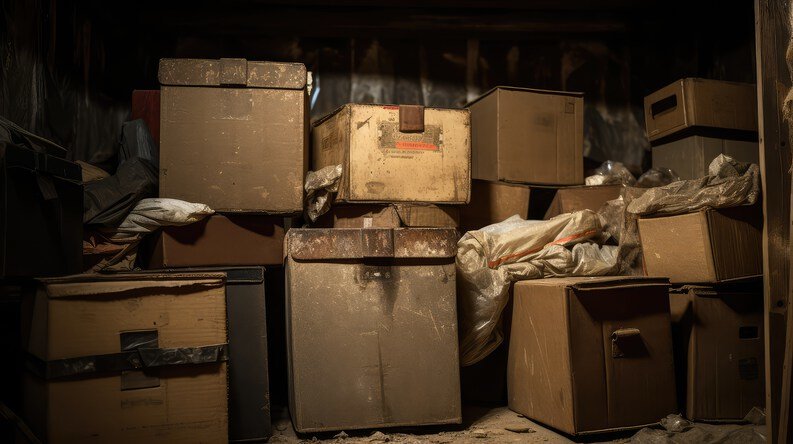
‘Parasite’ scenario in US: Man found living in family's basement
Translated from Korean, summarized and contextualized by DistantNews.
TLDR
- A man was arrested in Arkansas after secretly living in a family's basement for a week.
- The homeowner noticed furniture being moved and food disappearing, leading to the discovery.
- The man, who was found with a makeshift bed, is charged with trespassing and theft.
In a story that sounds like it was ripped from the pages of a dark comedy, a man in Arkansas was discovered living secretly in a family's basement. The homeowner, a professor at Harding University, noticed strange occurrences like furniture being moved and food vanishing. His suspicions led to a search, and his wife discovered the man hiding in a storage closet under the basement stairs.
I feel more pity for the man than anger. I am just glad that we discovered someone was living in our house early.
This real-life 'Parasite' scenario unfolded when the homeowner's son-in-law confronted the intruder, who surrendered peacefully. The man, identified as Preston Landis, 41, had apparently been living in the space for about a week, even setting up a makeshift bed. He faces charges of criminal trespassing and theft, with bail set at $15,000.
What's particularly striking about this case, as reported by KCTV5 and other local outlets, is the homeowner's reaction. Instead of anger, he expressed pity for the man, stating he was glad the intruder was discovered early. The family emphasized that Landis did not harm them or steal valuables, suggesting he was merely trying to survive and escape the cold. This compassionate response, which might be viewed differently in some Western media, highlights a local perspective that prioritizes empathy even in the face of a crime.
The man was not a threatening person, and we even sat and talked with him outside before the police arrived.
This incident, while bizarre, serves as a stark reminder of the hidden struggles individuals can face. The family's wish for the story to be remembered with compassion rather than fear underscores a desire for understanding and a focus on the human element, even in unusual circumstances. It’s a narrative that resonates locally, prompting reflection on societal support systems and the lengths people might go to simply survive.
He had many opportunities to steal valuables, but he only touched food and clothes. It seems he was just trying to escape the cold and survive.
DistantNews Editorial
Originally published by Dong-A Ilbo in Korean. Translated, summarized, and contextualized by our editorial team with added local perspective. Read our editorial standards.
More Stories


From Our Blog

What Gets Lost (and Found) When News Is Translated

The Critical Role of Diaspora Media in Global News

What Travellers Should Know About Countries with Restricted Press

A Digital Nomad's Guide to Following Local News

How the Same Story Looks Different in Different Countries
