


Parents Concerned Over Budget-Driven Change to Student Laptop Initiative
Translated from German, summarized and contextualized by DistantNews.
At a glance
News
Sources not specified
New plan
- Austrian parents are concerned about a budget-driven change to a student laptop initiative.
- Laptops will now only be provided to students starting in the second year of middle school, instead of the first.
- Parents fear students will resort to using private devices and are calling for curriculum adjustments.
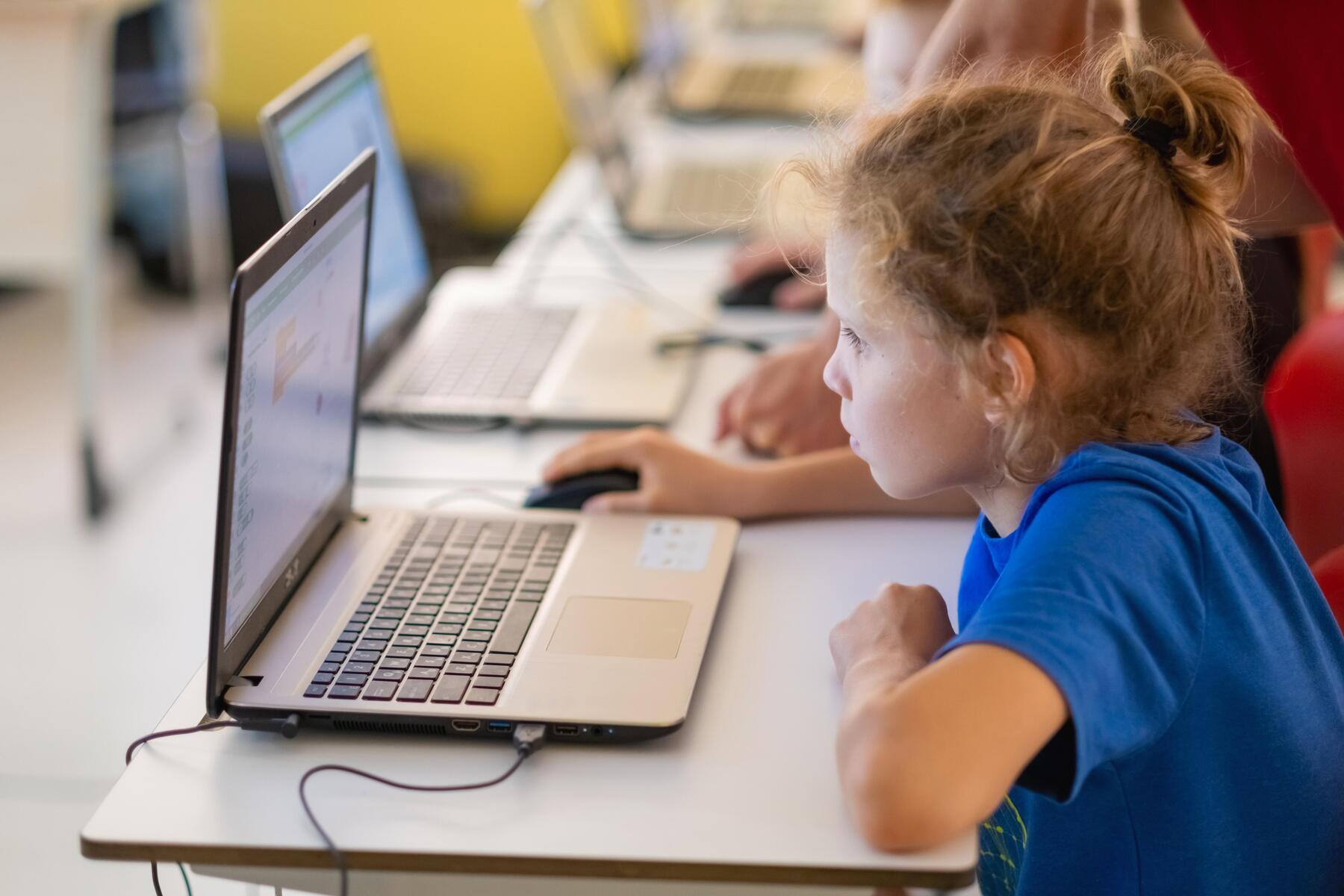
Parents in Austria are expressing concern over a new policy that will delay the provision of subsidized laptops and tablets to schoolchildren. Starting in the autumn of 2027, students will receive these devices in their sixth year of middle school, a year later than the current practice of providing them in the first year. This change, part of the 2027/28 double budget, is expected to save between 30 and 50 million euros. The Ministry of Education justifies the delay by citing the greater distractibility of younger children with digital learning tools. However, the umbrella organization for compulsory school parent associations foresees "undesirable side effects." While acknowledging the potential positive aspect of children receiving devices later, the parent representatives stressed that this should not lead to students using private devices or smartphones. "Neither explicitly requested nor implicitly expected," emphasized Ilse Schmid, president of the Styrian State Parents' Association. The organization warned that even occasional smartphone use could compel parents to purchase smartphones for their ten-year-olds. They are demanding "a clear and unambiguous regulation" on this matter. Furthermore, the parent association is calling for curriculum adjustments. They note that not only the "Digital Basic Education" subject, which covers digital device functionality and information handling, but also other subjects increasingly rely on regular access to digital devices. Examples include using QR codes in textbooks and digital learning platforms, as highlighted by Dachverbandsvorsitzende Evelyn Kometter.
Neither explicitly requested nor implicitly expected.
DistantNews Editorial
Originally published by Die Presse in German. Translated, summarized, and contextualized by our editorial team with added local perspective. Read our editorial standards.
More Stories



From Our Blog

What Gets Lost (and Found) When News Is Translated

The Critical Role of Diaspora Media in Global News

What Travellers Should Know About Countries with Restricted Press

A Digital Nomad's Guide to Following Local News

How the Same Story Looks Different in Different Countries
