

Parliamentary election in Bulgaria: Rumen Radev's election alliance leads in Bulgaria's election
Translated from German, summarized and contextualized by DistantNews.
TLDR
- Rumen Radev's center-left alliance is projected to win Bulgaria's parliamentary elections, securing around 38% of the vote.
- The conservative GERB-SDS alliance, led by former Prime Minister Boyko Borissov, is in second place with approximately 16%.
- This marks the eighth parliamentary election in Bulgaria in five years amid ongoing political instability, with Radev advocating for pragmatic relations with Russia while not vetoing EU decisions on the Ukraine war.
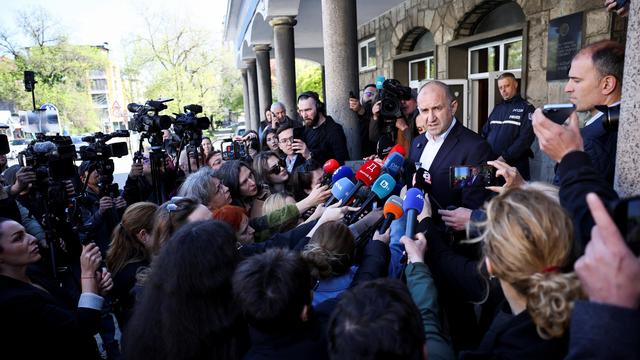
Bulgaria is once again heading to the polls, with preliminary results from the latest parliamentary elections indicating a victory for the center-left alliance led by former President Rumen Radev. This outcome, if confirmed, would represent the eighth parliamentary election in just five years, highlighting the persistent political instability that has plagued the nation. Radev's 'Progressive Bulgaria' alliance is projected to garner around 38% of the vote, a significant lead over the conservative GERB-SDS bloc of former Prime Minister Boyko Borissov, which lags behind with an estimated 16%.
I fight for a democratic, modern and European Bulgaria.
Radev, a figure often described as 'Russia-friendly,' has positioned himself as a proponent of combating corruption and fostering a 'democratic, modern, and European Bulgaria.' While he calls for a resumption of dialogue with Russia and views Bulgaria as a crucial link, he has also pledged not to veto EU decisions concerning the Ukraine war. This nuanced stance reflects a delicate balancing act, seeking pragmatic relations with Moscow while remaining aligned with European policies. His focus remains on the economic well-being of Bulgaria, which he identifies as the EU's poorest member state.
pragmatic relations with Russia, founded on mutual respect
In contrast, Borissov's GERB-SDS alliance, which supports Ukraine and Brussels' policies, has criticized Radev's platform, claiming it does not represent a fresh start. Borissov points to achievements like the Euro's introduction at the beginning of the year as evidence of his party's success. However, Bulgaria has been mired in political crisis since 2021, when anti-corruption protests led to Borissov's downfall. No government has lasted more than a year since then, with the most recent GERB-led government resigning in December. Radev's decision to step down as president after nine years to run for prime minister underscores the urgency of finding a stable political path forward for the country.
does not stand for a new beginning
DistantNews Editorial
Originally published by Die Zeit in German. Translated, summarized, and contextualized by our editorial team with added local perspective. Read our editorial standards.
More Stories

From Our Blog

What Gets Lost (and Found) When News Is Translated

How the Same Story Looks Different in Different Countries

The Critical Role of Diaspora Media in Global News

What Travellers Should Know About Countries with Restricted Press

A Digital Nomad's Guide to Following Local News
