

Pashinyan Admits Karabakh Movement Was 'Fatal Mistake' for Armenia
Translated from Turkish, summarized and contextualized by DistantNews.
TLDR
- Armenian Prime Minister Nikol Pashinyan stated that the Karabakh movement was a fatal mistake for Armenia.
- Pashinyan questioned the basis of Armenia's claim to the region, noting that despite establishing schools and factories, it was never truly theirs.
- Azerbaijan concluded its operation to end Armenian occupation in the Karabakh region in 2023, following a 2020 war where Armenia suffered significant losses.
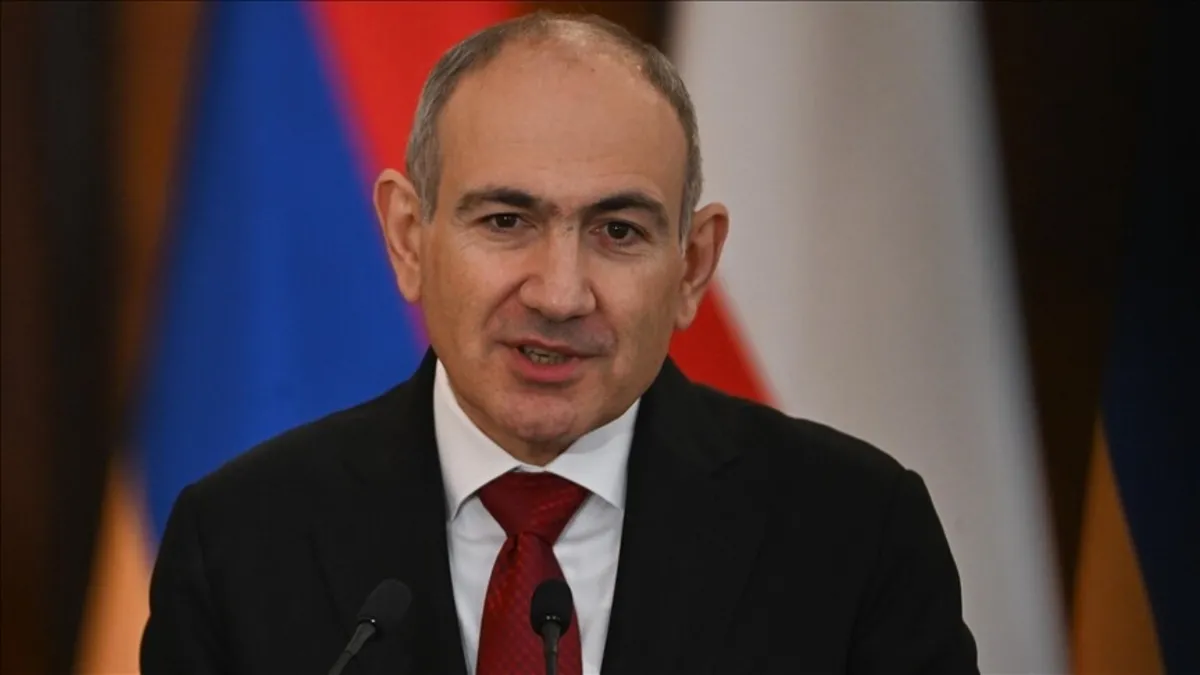
In a candid admission, Armenian Prime Minister Nikol Pashinyan has described the Karabakh movement as a "fatal mistake" for Armenia. Speaking to Armenian media, Pashinyan openly questioned the historical and practical basis of Armenia's claim to the region, despite significant investment in infrastructure and settlement.
"What made it ours? Explain it to me, what made it ours? We built schools, kindergartens, factories there, we lived there, but fundamentally, how was it ours? It was not ours," Pashinyan stated, reflecting a significant shift in rhetoric regarding the disputed territory.
Karabağ hareketinin bizim için ölümcül bir hata olduğunun belirtilmesi gerekiyor
This statement comes after Azerbaijan's successful 2023 operation that ended the Armenian occupation of the region. The 44-day war in 2020 had already resulted in substantial territorial losses for Armenia, placing immense pressure on Pashinyan's government.
From Yerevan's perspective, this admission signals a pragmatic, albeit painful, acceptance of geopolitical realities. While Western media might focus on the territorial shifts, for Armenians, this is a moment of deep introspection about national identity, past policies, and the future direction of the country. The acknowledgement that Karabakh was never truly 'ours' is a stark departure from decades of national narrative and will undoubtedly fuel further domestic debate about historical grievances and future security.
Onu bizim yapan şey neydi? Bana açıklayın, onu bizim yapan neydi? Orada okullar, anaokulları, fabrikalar kurduk, orada yaşadık, ama temelde nasıl bizim oldu? Bizim değildi
DistantNews Editorial
Originally published by Sabah in Turkish. Translated, summarized, and contextualized by our editorial team with added local perspective. Read our editorial standards.
More Stories
From Our Blog

What Gets Lost (and Found) When News Is Translated

The Critical Role of Diaspora Media in Global News

What Travellers Should Know About Countries with Restricted Press

A Digital Nomad's Guide to Following Local News

How the Same Story Looks Different in Different Countries
