

Paul Biya's Extended Stay in Switzerland Fuels Debate on Cameroon's Governance
Translated from English, summarized and contextualized by DistantNews.
At a glance
News
Named sources
Context piece
- Cameroon's President Paul Biya, 93, has been in Switzerland for 48 days, sparking debate about government inaction.
- Opposition figures criticize the prolonged absence, citing an "institutional vacuum" and the country being "on autopilot."
- Despite promises of government renewal after his re-election, key appointments and elections have been repeatedly postponed.
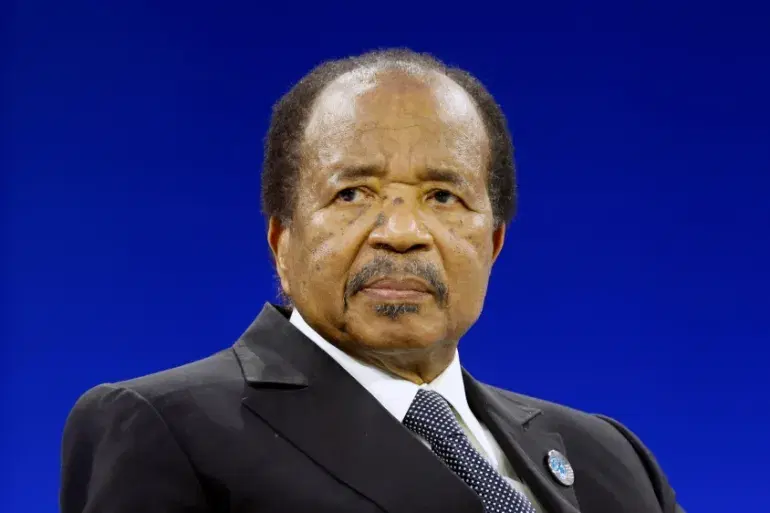
Cameroon's long-serving President Paul Biya, 93, has spent 48 days in Switzerland since early June, reigniting debates over government inaction and a perceived institutional vacuum. The president's prolonged absence has fueled public desire for change in a nation where Biya has held power for over four decades.
Autopilot
While an official statement described Biya's trip as a "short, private stay," his frequent visits to Geneva have historically led to speculation about his health. Communication Minister Rene Emmanuel Sadi denied reports of hospitalization in June. However, the opposition remains critical. Mamadou Mota, vice-president of the Cameroon Renaissance Movement (MRC), stated on Facebook that the absence signifies a "glaring institutional vacuum."
Wherever he is, the head of state is meticulously following the files submitted to him… by his aides.
Patricia Tomaino Ndam Njoya, president of the Cameroon Democratic Union (UDC), has called for a procedure to determine the head of state's incapacity. Conversely, Jacques Fame Ndongo, a senior official in the ruling party, dismissed these concerns, asserting that Biya meticulously follows governmental affairs remotely. This echoes similar debates from late 2024 when Biya's extended absence also drew criticism.
People are worn out from waiting.
Viviane Ondoua Biwole, a professor of public management at the University of Yaounde, noted the public's weariness. She highlighted that the current government has been in place for eight years, and many expected renewal after Biya's re-election in October. That election, which saw Biya win an eighth term, was marred by protests and opposition challenges. Despite Biya's promise in December to form a new government, significant appointments and municipal and legislative elections have been postponed, leaving many officials in extended terms.
Autopilot
DistantNews Editorial
Originally published by Vanguard in English. Translated, summarized, and contextualized by our editorial team with added local perspective. Read our editorial standards.
More Stories



From Our Blog

How the Same Story Looks Different in Different Countries

What Gets Lost (and Found) When News Is Translated

The Critical Role of Diaspora Media in Global News

What Travellers Should Know About Countries with Restricted Press

A Digital Nomad's Guide to Following Local News
