

Peru: DANA "Aníbal" threatens to worsen livestock losses amid extreme cold
Translated from Spanish, summarized and contextualized by DistantNews.
At a glance
News
Sources not specified
Ongoing story
- A DANA weather phenomenon, "Aníbal," is expected to worsen livestock losses in Peru's central and southern highlands due to extreme cold.
- Producers in Ayacucho, Cusco, Moquegua, and Puno report deaths of young animals, weakened adults, and health issues linked to cold and scarce pasture.
- The forecast includes strong winds and snowfall, increasing risks for vulnerable animals like calves and pregnant alpacas, while also potentially benefiting some agricultural activities.
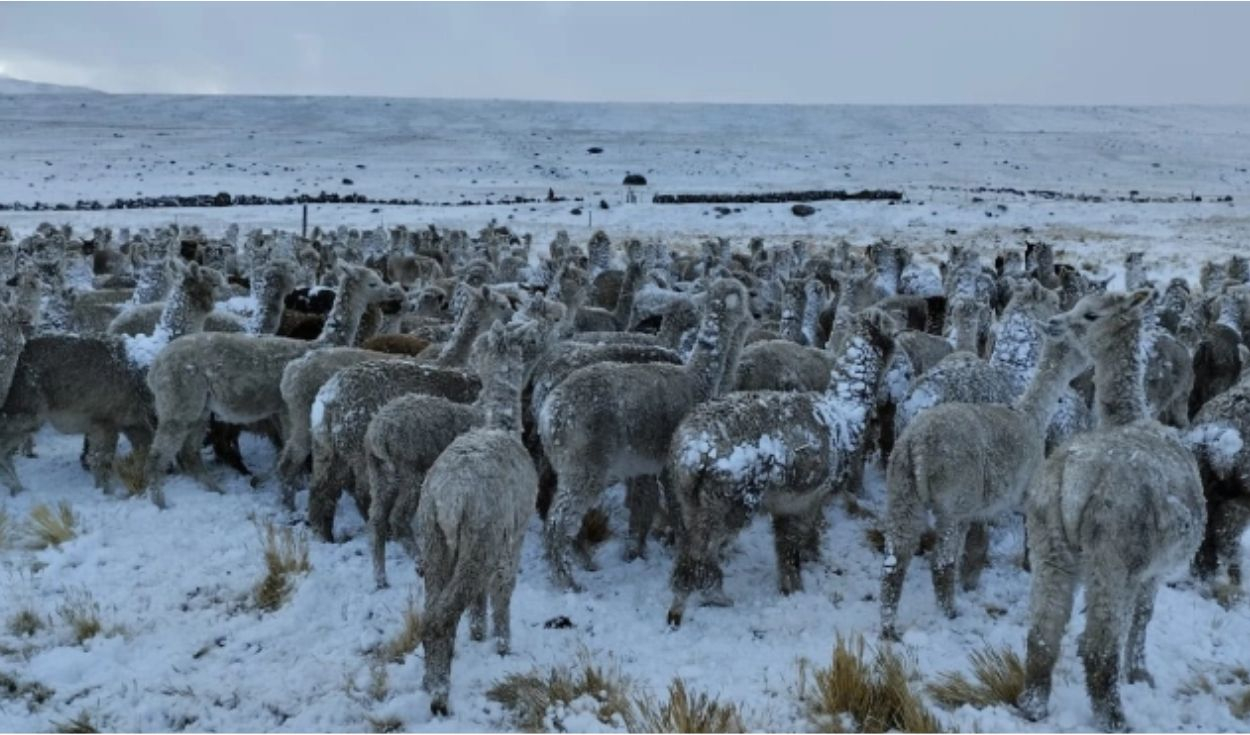
Extreme cold is already impacting livestock in Peru's central and southern highlands, with the DANA phenomenon "Aníbal" poised to exacerbate the situation. Producers in regions including Ayacucho, Cusco, Moquegua, and Puno are reporting the deaths of young animals, weakened adult livestock, and associated health problems stemming from the frigid temperatures and reduced pasture availability.
The meteorological service Senamhi warns that the coming days could bring intensified adverse conditions to the high Andean zones due to strong winds and snowfall associated with DANA Aníbal. These elements pose a significant threat to vulnerable animals, particularly calves, adult females, and pregnant alpacas, which are more susceptible to rapid heat loss. Snow accumulation could further restrict grazing time and access to food.
Senamhi has identified specific risks for livestock areas in Junín, Cusco, Arequipa, and Puno. The agency advises producers to move the most vulnerable animals to dry, sheltered locations protected from wind, rain, and snow. Ensuring adequate reserves of fodder and water, along with daily health checks, are also recommended.
While the cold poses risks, the anticipated precipitation could also offer some benefits for agriculture in certain areas. Increased soil moisture might facilitate early land preparation and planting for the 2026-2027 agricultural season, and could also aid crops in inter-Andean valleys. However, farmers remain exposed to risks such as hail, frost, heavy rain, and strong winds, which could damage existing crops, seeds, and stored products. Senamhi urges protective measures for seeds and products against humidity and recommends preventative actions against hail and intense rainfall, especially for crops already in development.
DistantNews Editorial
Originally published by La República in Spanish. Translated, summarized, and contextualized by our editorial team with added local perspective. Read our editorial standards.
More Stories
From Our Blog

What Gets Lost (and Found) When News Is Translated

The Critical Role of Diaspora Media in Global News

What Travellers Should Know About Countries with Restricted Press

A Digital Nomad's Guide to Following Local News

How the Same Story Looks Different in Different Countries
