

Peru Experiences Swarm of Earthquakes: 12 Tremors Recorded in 48 Hours
Translated from Spanish and summarized by DistantNews. Read the original for the full story.
At a glance
News
Named sources
Context piece
- Peru recorded 12 earthquakes between August 26 and 27, with the highest concentration in Tumbes, Arequipa, and Moquegua.
- The largest tremor, a magnitude 4.7, occurred near Zorritos in the Tumbes region.
- Seismologists attribute the frequent seismic activity to the subduction process where the Nazca plate slides beneath the South American plate.
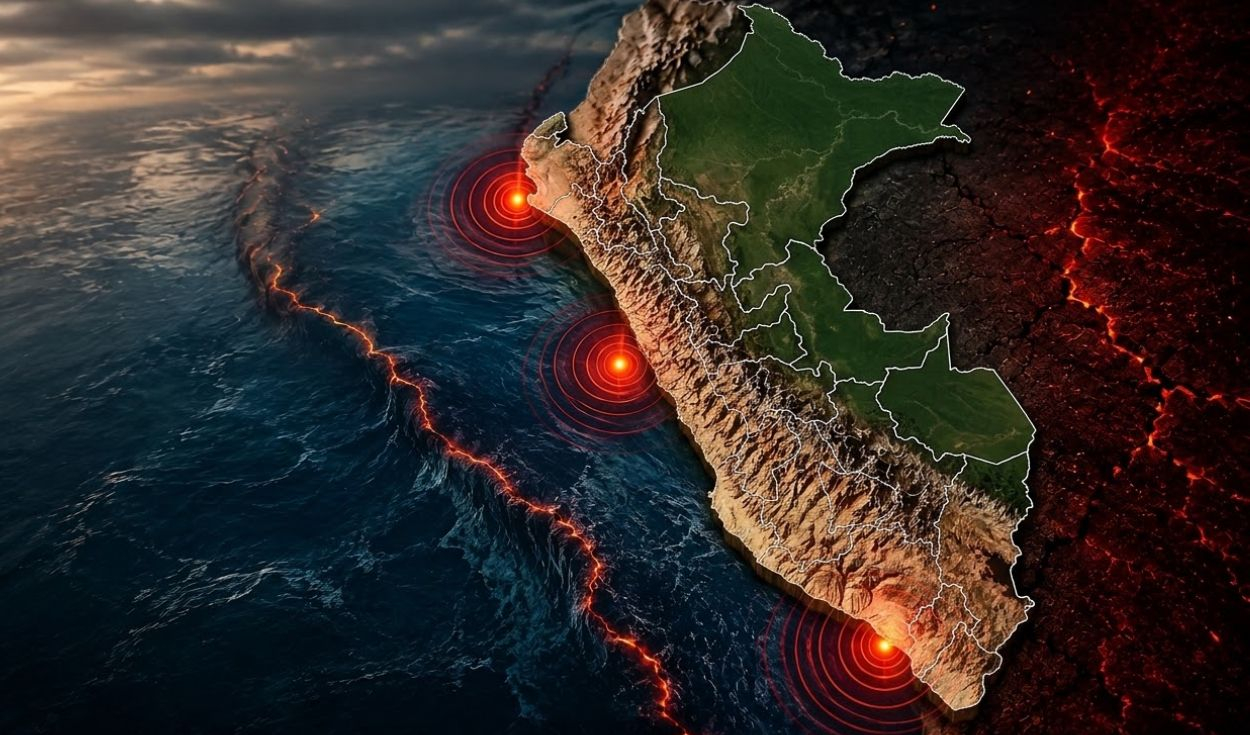
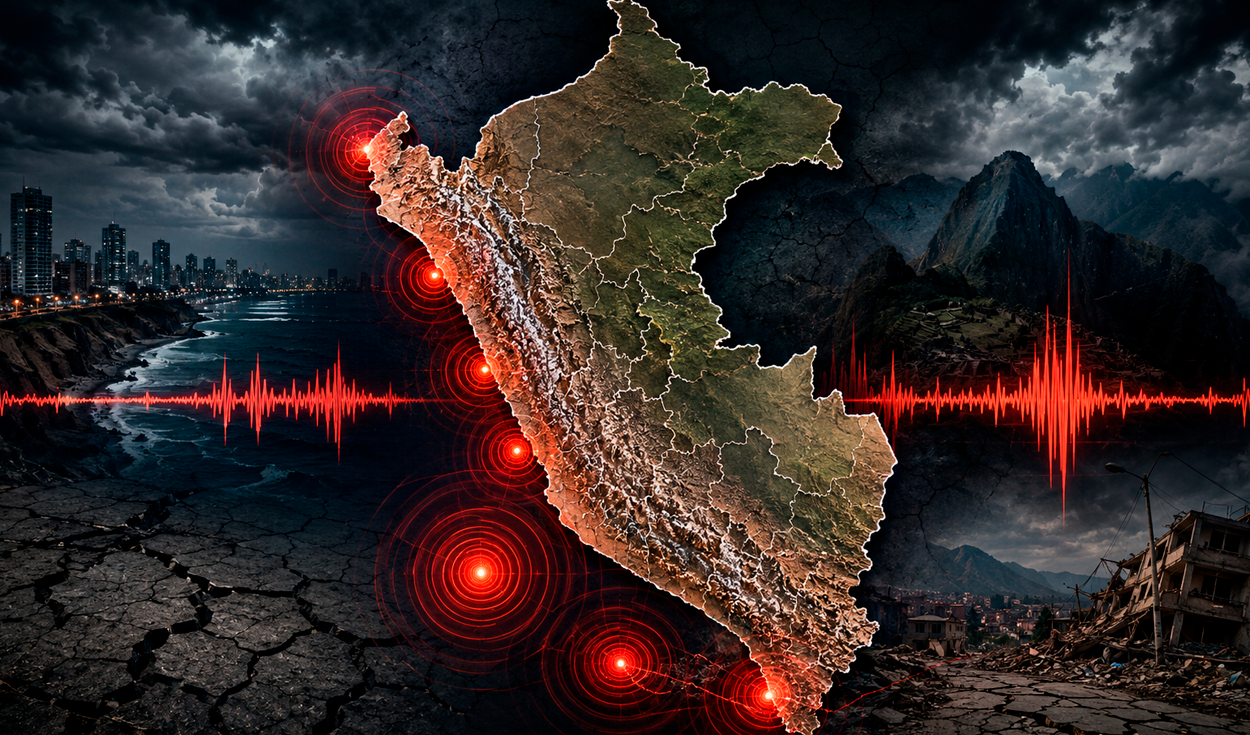
Peru experienced a notable increase in seismic activity over a 48-hour period, with the National Seismological Center (CENSIS) of the Geophysical Institute of Peru (IGP) recording a total of 12 earthquakes between Wednesday, August 26, and Thursday, August 27.
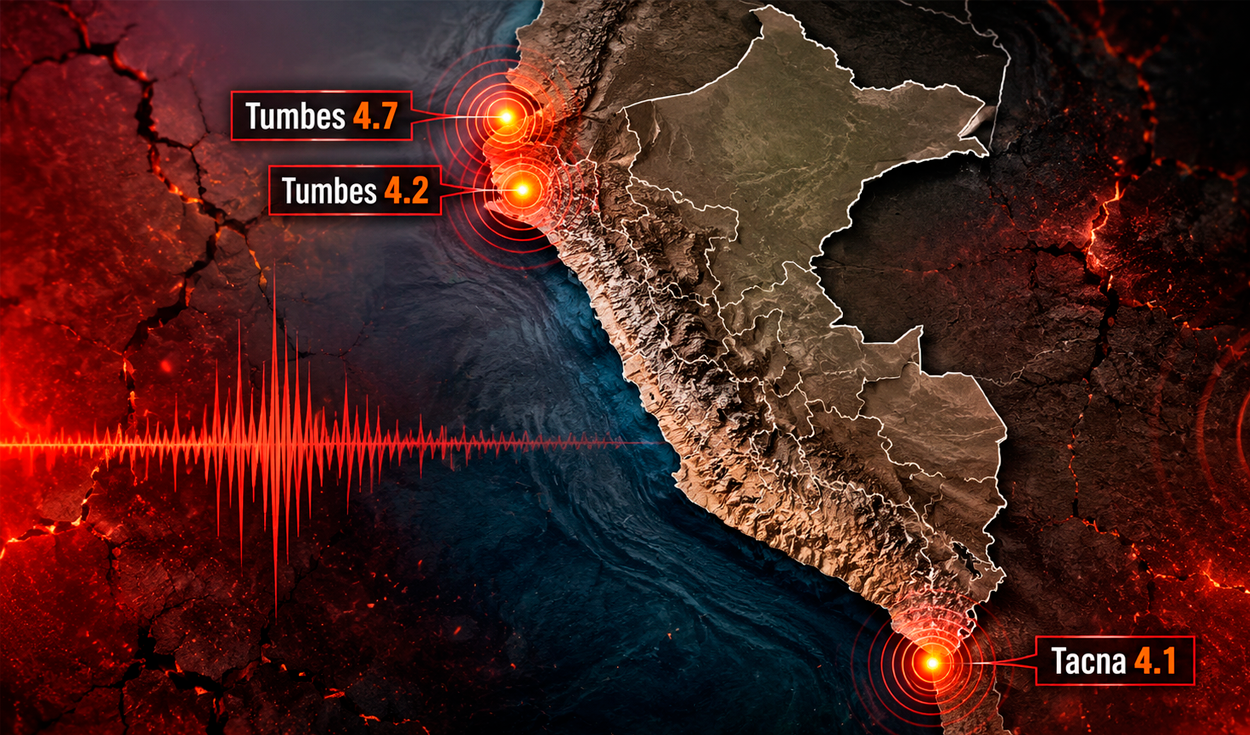
The tremors were distributed across various regions, but a significant portion, more than half, were concentrated in three key areas: Tumbes in the north, and Arequipa and Moquegua in the south. Tumbes alone registered three seismic events. The most powerful tremor of the period, a magnitude 4.7 earthquake, struck at 12:09 p.m. on Thursday, located 22 kilometers northwest of Zorritos in the Contralmirante Villar province. Just 14 minutes later, another earthquake of magnitude 4.2 had its epicenter northeast of Zarumilla.
In the southern regions, Arequipa recorded two earthquakes, one of magnitude 4.2 south of Chala and another of magnitude 3.5 northeast of Camaná. Moquegua also experienced two tremors, both measuring magnitude 3.5 near La Capilla. Other recorded earthquakes included a magnitude 4.1 event in Tacna, and tremors with reference points in Junín, Huánuco, Lima, and Lambayeque. Fortunately, none of the 12 recorded earthquakes resulted in casualties or significant material damage.
Seismologists explain Peru's high seismic activity by the dynamic interaction of tectonic plates beneath its territory. The western edge of South America is situated in one of the planet's most seismically active zones. Off the Peruvian coast, the Nazca plate moves towards the continent, diving beneath the South American plate in a process known as subduction. Studies by the IGP indicate that these plates converge at an approximate speed of 7 to 8 centimeters per year.
This subduction process is a primary driver of earthquakes in Peru. However, seismic activity is not solely attributed to subduction. Earthquakes can also result from friction between the plates, deformations within the Nazca plate as it descends, or the activation of faults within the Earth's crust. This explains why epicenters can occur both offshore and in inland areas, as evidenced by the distribution of the 12 tremors recorded in the recent 48-hour period. Arequipa and Moquegua are identified as areas requiring special monitoring.
About this summary
Originally published by La República in Spanish. Translated, summarized, and contextualized automatically by DistantNews, with a note on how the source frames the story. Not individually reviewed before publishing. How this works.
More Stories

From Our Blog

What Gets Lost (and Found) When News Is Translated

The Critical Role of Diaspora Media in Global News

What Travellers Should Know About Countries with Restricted Press

A Digital Nomad's Guide to Following Local News

How the Same Story Looks Different in Different Countries
