

Peru Reaches Historic Low in Fertility: Women Postpone Motherhood, Reshaping a Generation
Translated from Spanish, summarized and contextualized by DistantNews.
TLDR
- Peru has reached a historic low in fertility rates, with women now having an average of 1.8 children, down from 4.6 in 1986.
- Increased access to education and family planning methods are key factors contributing to women postponing motherhood.
- While fertility declines, the country still faces significant issues with violence against pregnant mothers, particularly affecting minors.
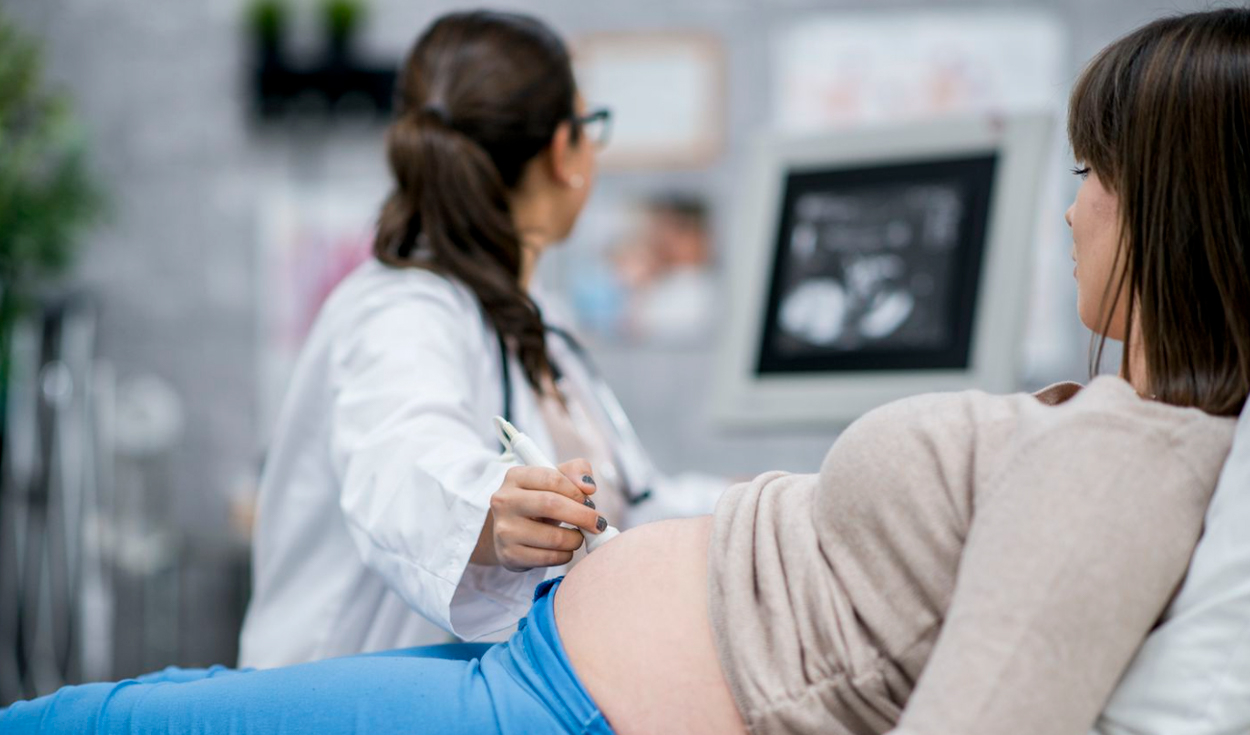
La República highlights a profound demographic shift in Peru: the nation's fertility rate has hit an all-time low. This isn't just a statistic; it represents a generational change where women are increasingly prioritizing education and careers over early motherhood. The article frames this as a societal transformation, quoting Jenny Zavaleta, dean of the College of Obstetras, who urges acceptance of this new reality. The shift from an average of 4.6 children per woman in 1986 to 1.8 in 2024 signifies a monumental change in Peruvian society.
This transformation is deeply intertwined with increased female autonomy. As more women pursue higher education and enter the workforce, the timeline for starting a family naturally extends. The article points out that better access to family planning further empowers women to make conscious choices about their reproductive health and life goals. This contrasts sharply with previous generations where early marriage and childbearing were the norm, reflecting a broader regional trend across Latin America and the Caribbean, as noted by the Observatorio Demográfico.
Este es un cambio que debemos aceptar
However, La República also brings attention to a persistent dark side: violence against pregnant women. Despite the progress in women's empowerment and declining fertility, over a thousand cases of aggression have been reported this year alone, with a disturbing percentage involving minors. This juxtaposition underscores the complex reality for Peruvian women, who are navigating newfound freedoms while still confronting deeply ingrained societal problems. The article’s focus on both the demographic shift and the ongoing challenges provides a nuanced perspective unique to the Peruvian context, showing that societal progress is rarely linear.
Hoy, un mayor porcentaje de mujeres accede a la educación. Además, contamos con mejores opciones de planificación familiar
DistantNews Editorial
Originally published by La República in Spanish. Translated, summarized, and contextualized by our editorial team with added local perspective. Read our editorial standards.
More Stories


From Our Blog

What Gets Lost (and Found) When News Is Translated

The Critical Role of Diaspora Media in Global News

What Travellers Should Know About Countries with Restricted Press

A Digital Nomad's Guide to Following Local News

How the Same Story Looks Different in Different Countries
