


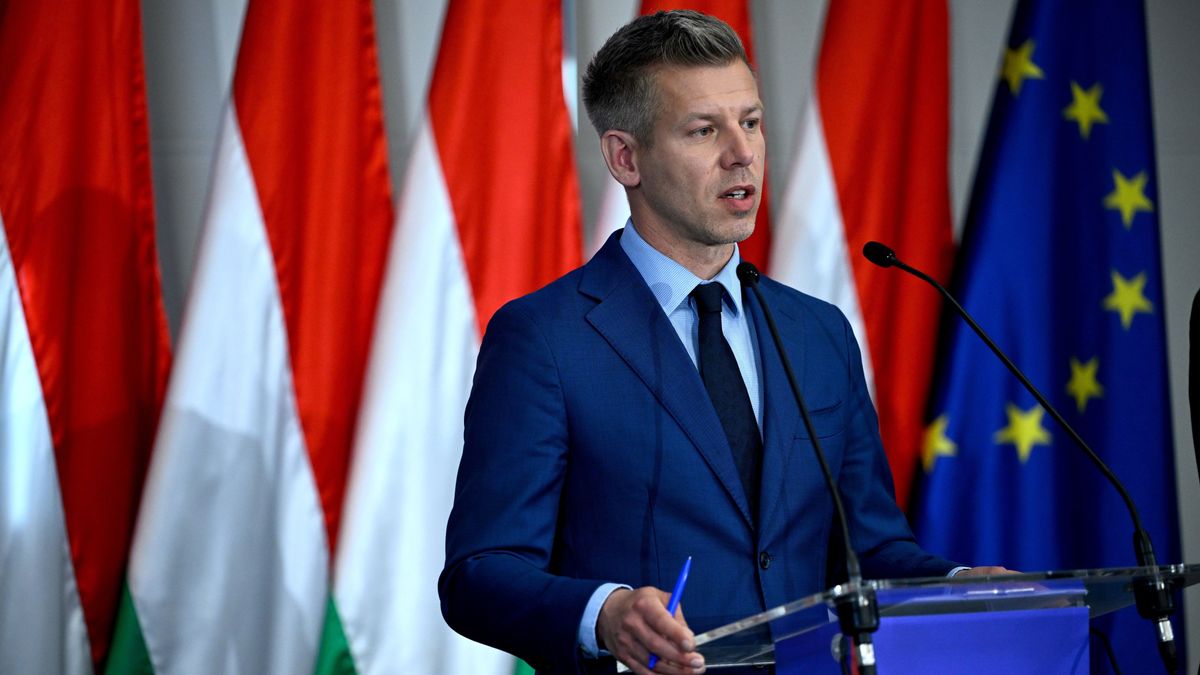
Peter Magyar to Begin Governing with Key Ministers and Sidelined Figures
Summarized and contextualized by DistantNews.
TLDR
- Peter Magyar's new government is forming, with key ministerial appointments revealed.
- Consultations in Brussels with EU officials regarding EU funds involved figures like Anita Orban and Marton Mellethei-Barna.
- Several long-time allies of Magyar, including Mark Radnai and Ervin Nagy, appear to have been sidelined in the new government structure.
As Peter Magyar prepares to lead Hungary, the composition of his new government is taking shape, marked by significant ministerial appointments and strategic consultations. The inclusion of figures like Anita Orban and Marton Mellethei-Barna in discussions with European Commission leaders in Brussels signals an immediate focus on securing crucial EU funds for Hungary.
The appointments suggest a deliberate placement of trusted allies in key ministries. Kapitany is slated to head the economic development ministry, while Mellethei-Barna, who is also Magyar's brother-in-law, is set to oversee justice. Gabor Posfai, the Tisza Party's chief of operations, has been appointed to lead the interior ministry, which holds sway over law enforcement and sports. This strategic positioning of loyalists in critical portfolios indicates a consolidation of power and a clear direction for the new administration.
However, the formation of this government also reveals a notable sidelining of some individuals who have been associated with Magyar from the outset. Mark Radnai, the Tisza Party's vice president, who was recently named government commissioner for a humane and functioning Hungary, and Ervin Nagy, who was previously expected to serve as culture minister, appear to have been relegated to less prominent roles or left without immediate positions. Nagy, a former actor-turned-politician, will serve as a member of parliament, but the expectation of a ministerial role has not materialized.
Conversely, Zoltan Tarr, who has been a steadfast supporter of Magyar, has secured the coveted post of culture minister. Tarr, a former pastor, faces the challenge of proving himself in an unfamiliar domain. His appointment, alongside the sidelining of others, raises questions about internal party dynamics and the criteria for leadership in Magyar's new government. The narrative emerging is one of consolidating power with loyalists while navigating the expectations and contributions of long-term associates.
DistantNews Editorial
Originally published by Magyar Nemzet. Summarized and contextualized by our editorial team with added local perspective. Read our editorial standards.
More Stories

From Our Blog

Countries Without a Free Press: What You Need to Know

What Press Freedom Means for the News You Read

What Gets Lost (and Found) When News Is Translated

The Critical Role of Diaspora Media in Global News

What Travellers Should Know About Countries with Restricted Press
