

Petrol Price: FG directs NMDPRA to end profiteering by oil marketers
Summarized and contextualized by DistantNews.
At a glance
News
Named sources
New plan
- The Nigerian government has directed the NMDPRA to stop oil marketers from price gouging.
- Minister of State for Petroleum Resources (Oil) Heineken Lokpobiri issued the directive.
- The directive aims to ensure consumers benefit from lower global oil prices.
Nigeria's Federal Government has instructed the Nigerian Midstream and Downstream Petroleum Regulatory Authority (NMDPRA) to prevent oil marketers from exploiting consumers through excessive pricing. The directive was issued by the Minister of State for Petroleum Resources (Oil), Senator Heineken Lokpobiri, during the 2026 NMDPRA General Counsel and Legal Advisers Forum in Abuja.
Following the de-escalation of tensions between Iran and the United States, we expected to see commensurate downward adjustment in the prices of PMS and other petroleum products. However, that has not yet happened.
Lokpobiri emphasized that while the downstream petroleum sector is fully deregulated, this should not become an avenue for profiteering at the expense of consumers. He noted that despite a significant drop in global crude oil prices, from a peak of $120 per barrel to $72 per barrel, pump prices for Premium Motor Spirit (PMS), or petrol, have not decreased accordingly. Nigerians expected lower prices following the de-escalation of Middle East tensions and the decline in crude oil costs.
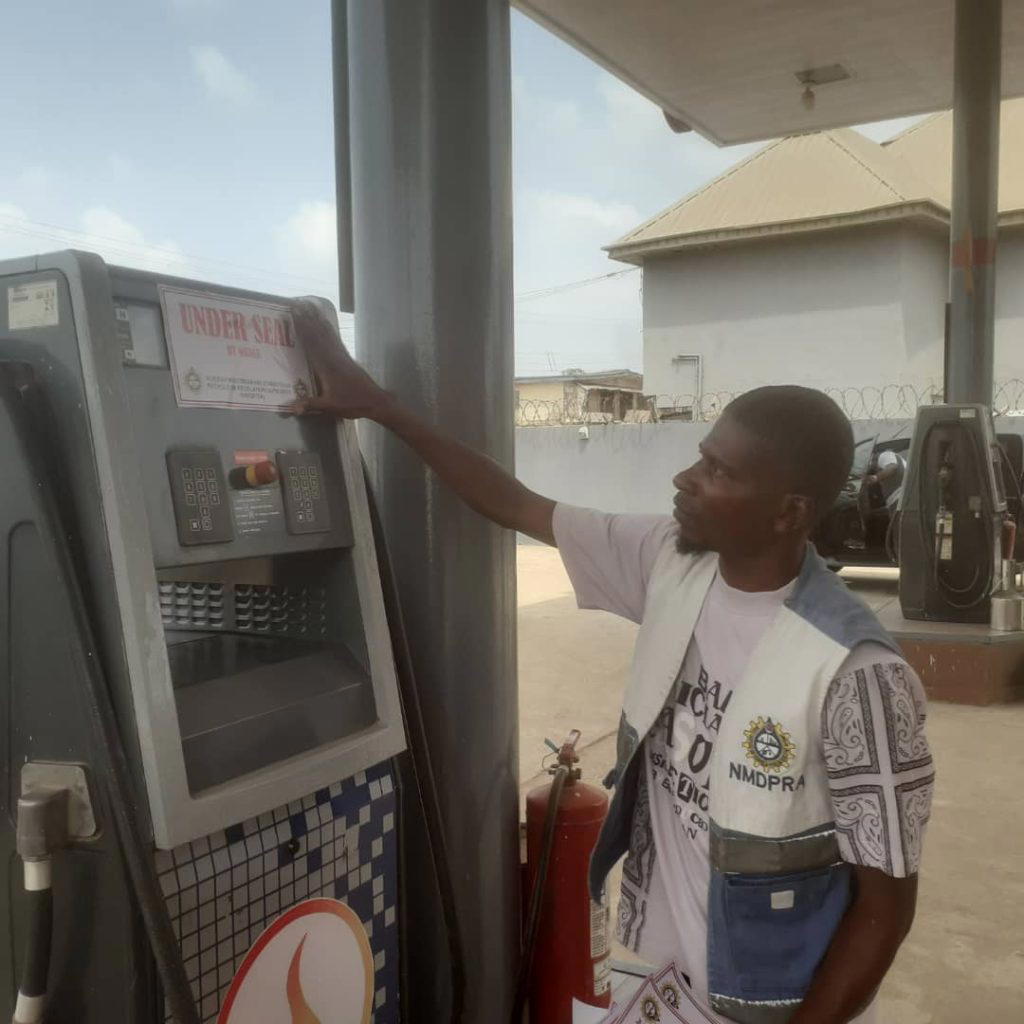
The Minister urged the NMDPRA to ensure that deregulation leads to fair pricing and that market forces eventually restore equilibrium. He also charged the authority with intensifying monitoring to guarantee consumers receive the correct quantity of fuel purchased. "When someone pays for 10 litres of Premium Motor Spirit, they should receive exactly 10 litres, not less," Lokpobiri stated.
While we believe that market forces will eventually restore equilibrium, the regulator also has a statutory responsibility to ensure that deregulation does not become an avenue for profiteering.
He further highlighted that Nigeria avoided fuel shortages despite recent geopolitical tensions, attributing this stability to downstream deregulation and the operationalization of domestic refineries. Lokpobiri described the Petroleum Industry Act (PIA) as the foundation for transforming the sector, stressing that building investor confidence now depends on consistent and predictable regulation.
Beyond allowing prices to be determined by market forces, the question is: what is the regulator doing to ensure that consumers receive the correct quantity of product? When someone pays for 10 litres of Premium Motor Spirit, they should receive exactly 10 litres, not less.
DistantNews Editorial
Originally published by Vanguard. Summarized and contextualized by our editorial team with added local perspective. Read our editorial standards.
More Stories


From Our Blog

How the Same Story Looks Different in Different Countries

What Gets Lost (and Found) When News Is Translated

The Critical Role of Diaspora Media in Global News

What Travellers Should Know About Countries with Restricted Press

A Digital Nomad's Guide to Following Local News
