

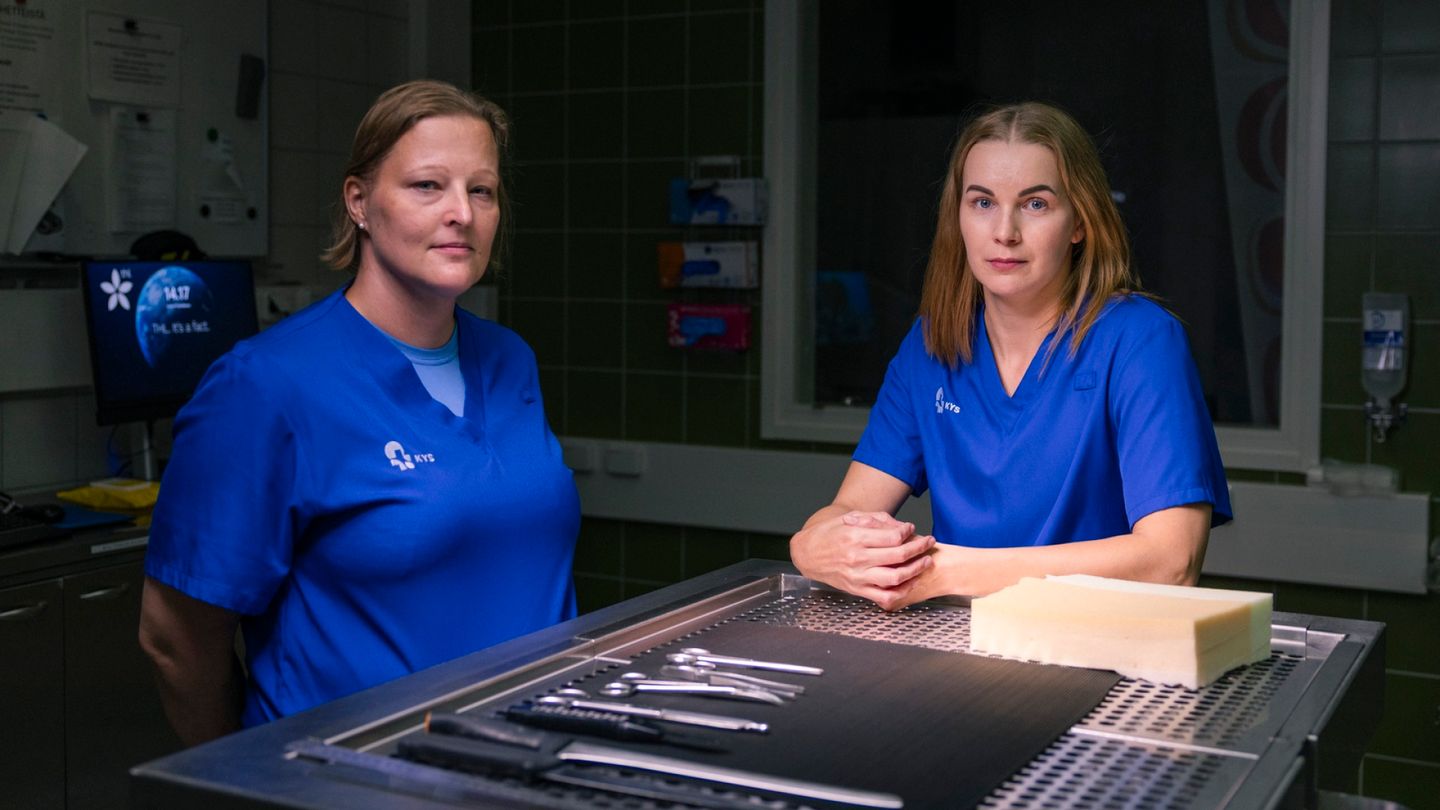

Pharmacists could diagnose illnesses, doctor argues
Translated from Finnish and summarized by DistantNews. Read the original for the full story.
At a glance
Opinion
Sources not specified
Context piece
- A Finnish doctor argues that pharmacists should be granted limited diagnostic capabilities, similar to nurses, to manage common ailments.
- He suggests this could help address concerns about overburdened healthcare systems and the need for doctors to see every minor complaint.
- The proposal aims to leverage existing frameworks for nurse prescribing and ensure patient safety through clear guidelines and training.
A Finnish doctor is advocating for pharmacists to gain limited diagnostic powers, drawing a parallel to the expanded roles of nurses in healthcare.
Hardly anyone thinks that a doctor should absolutely check every single runny nose and pimple in the world.
In an opinion piece published in Helsingin Sanomat, Lauri Kenttä, a specialist in general practice, argues that it is unrealistic to expect doctors to examine every minor ailment. He points to common conditions like coughs, colds, mild allergies, headaches, and minor injuries that are often managed without direct medical intervention.
Kenttä highlights that nurses in Finland already have limited prescription rights with additional training, a system that has proven effective and has even been expanded for remote consultations. He questions why a similar approach, involving specialized training and clear boundaries, could not be applied to pharmacists.
How many doctors are seriously concerned that every unchecked cold could be pneumonia or every mole could be cancer?
The doctor suggests that by empowering pharmacists to diagnose and potentially treat a defined range of conditions, it could ease the burden on doctors and the broader healthcare system. He emphasizes that the selection of treatable illnesses and the establishment of clear, safe boundaries would be crucial, as has been the case with nurses. Kenttä also notes that studies show doctor diagnoses for minor illnesses can sometimes be less accurate than outcomes achieved with precise guidelines and training.
Could this work for pharmacists too, with the same limits that have already been tested in practice?
About this summary
Originally published by Helsingin Sanomat in Finnish. Translated, summarized, and contextualized automatically by DistantNews, with a note on how the source frames the story. Not individually reviewed before publishing. How this works.
More Stories


From Our Blog

What Gets Lost (and Found) When News Is Translated

The Critical Role of Diaspora Media in Global News

What Travellers Should Know About Countries with Restricted Press

A Digital Nomad's Guide to Following Local News

How the Same Story Looks Different in Different Countries
