

Pilot error caused Hornet crash, Finnish Air Force reports
Translated from Finnish, summarized and contextualized by DistantNews.
At a glance
News
Sources not specified
Outcome reported
- A Finnish Air Force Hornet fighter jet crashed in May last year due to a pilot error during a low-altitude aerobatic maneuver, according to the Air Force.
- The investigation revealed human error in reading the altimeter and organizational shortcomings in supervising and planning aerobatic flights.
- Recommendations include reiterating correct aerobatic procedures, assigning permanent supervisors, and updating safety protocols for composite dust protection during rescue operations.
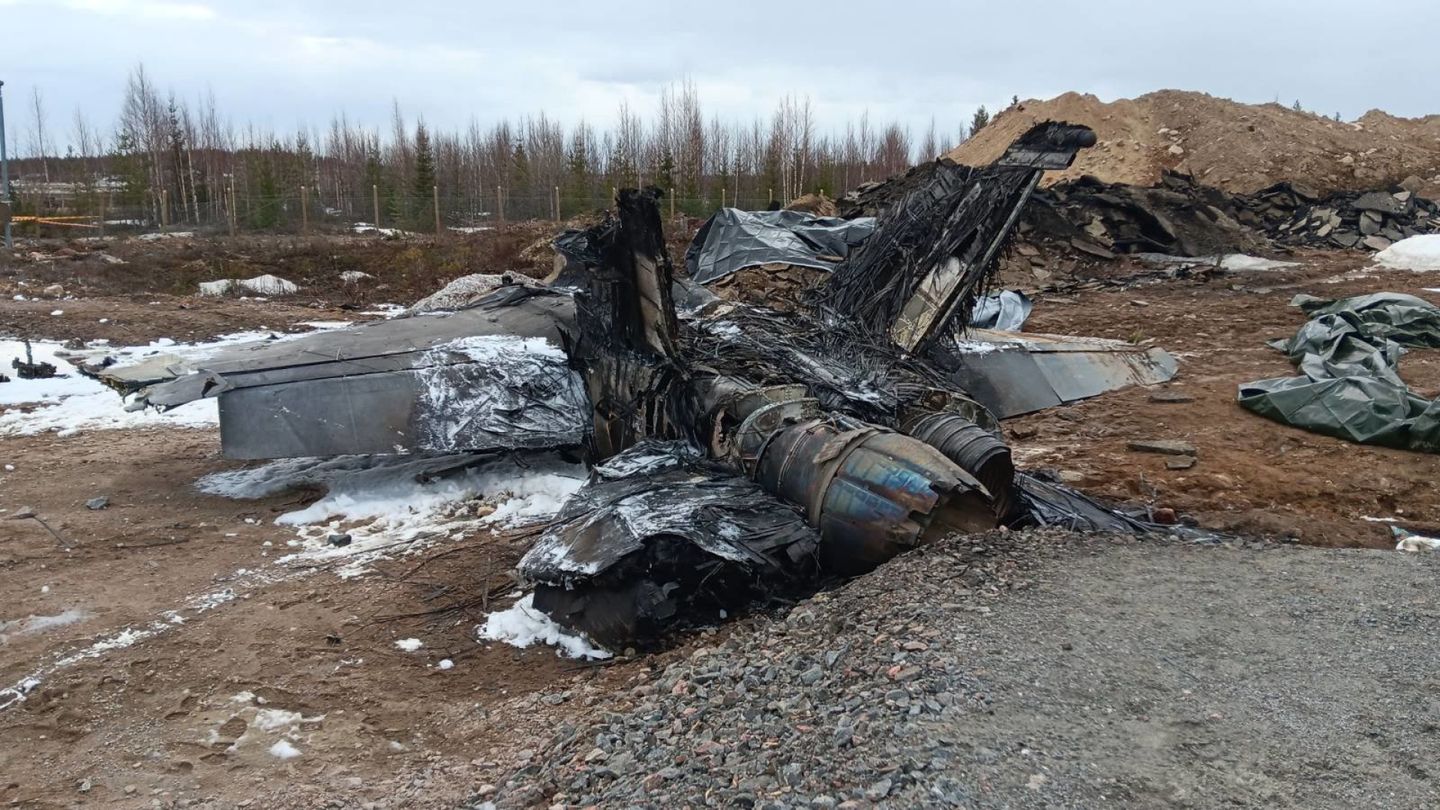
A Finnish Air Force Hornet fighter jet crashed last May due to a pilot's miscalculation during an aerobatic maneuver, the Air Force announced. The pilot ejected and sustained minor injuries.
In practice, the error was a human misreading of the altimeter, and the movement was initiated too low.
Insinöörieverstiluutnantti Juha Vantila of the military aviation authority explained the error stemmed from a human misreading of the altimeter, leading the pilot to initiate the "jalkatynnyri" (leg barrel roll) at too low an altitude. This maneuver, common for Hornets, involves the aircraft spinning around its center while the nose points in a different direction.
Vantila noted that altimeter readings based on air pressure can be imprecise. He advised pilots to also visually confirm their altitude by looking outside the cockpit. The investigation also identified organizational deficiencies in supervising and planning aerobatic flight series and in risk management.
This was an air pressure-based altitude measurement. There was an error in recognizing the actual altitude, and the movement was initiated too low.
The accident investigation team proposed 30 corrective actions. These include reiterating the correct execution of the "jalkatynnyri" maneuver for Hornet pilots and assigning permanent supervisors or coaches for aerobatic pilots. While supervisors existed previously, the process will become more formalized with specific training requirements.
The maneuver involves the aircraft spinning around its own center almost horizontally, with the nose pointing in a different direction than where the aircraft is moving.
Additionally, the investigation highlighted insufficient protection against composite dust during rescue and investigation operations. Safety guidelines have since been updated to prevent inhalation of this dust, which is an increasing concern with modern composite aircraft globally, Vantila added.
This composite dust is increasingly a concern in accident situations globally.
DistantNews Editorial
Originally published by Helsingin Sanomat in Finnish. Translated, summarized, and contextualized by our editorial team with added local perspective. Read our editorial standards.
More Stories


From Our Blog

What Gets Lost (and Found) When News Is Translated

The Critical Role of Diaspora Media in Global News

What Travellers Should Know About Countries with Restricted Press

A Digital Nomad's Guide to Following Local News

How the Same Story Looks Different in Different Countries
