

US-Iran Peace Talks to Begin in Switzerland Amid Hormuz Strait Tensions
Translated from Finnish, summarized and contextualized by DistantNews.
At a glance
News
Sources not specified
Ongoing story
- Peace talks between the United States and Iran are set to begin Sunday in Switzerland, with a goal of reaching an agreement within 60 days.
- The negotiations aim to address the conflict in Lebanon, with Iran prioritizing the cessation of hostilities.
- Tensions remain high regarding the Hormuz Strait, with conflicting reports on its status and potential transit fees.
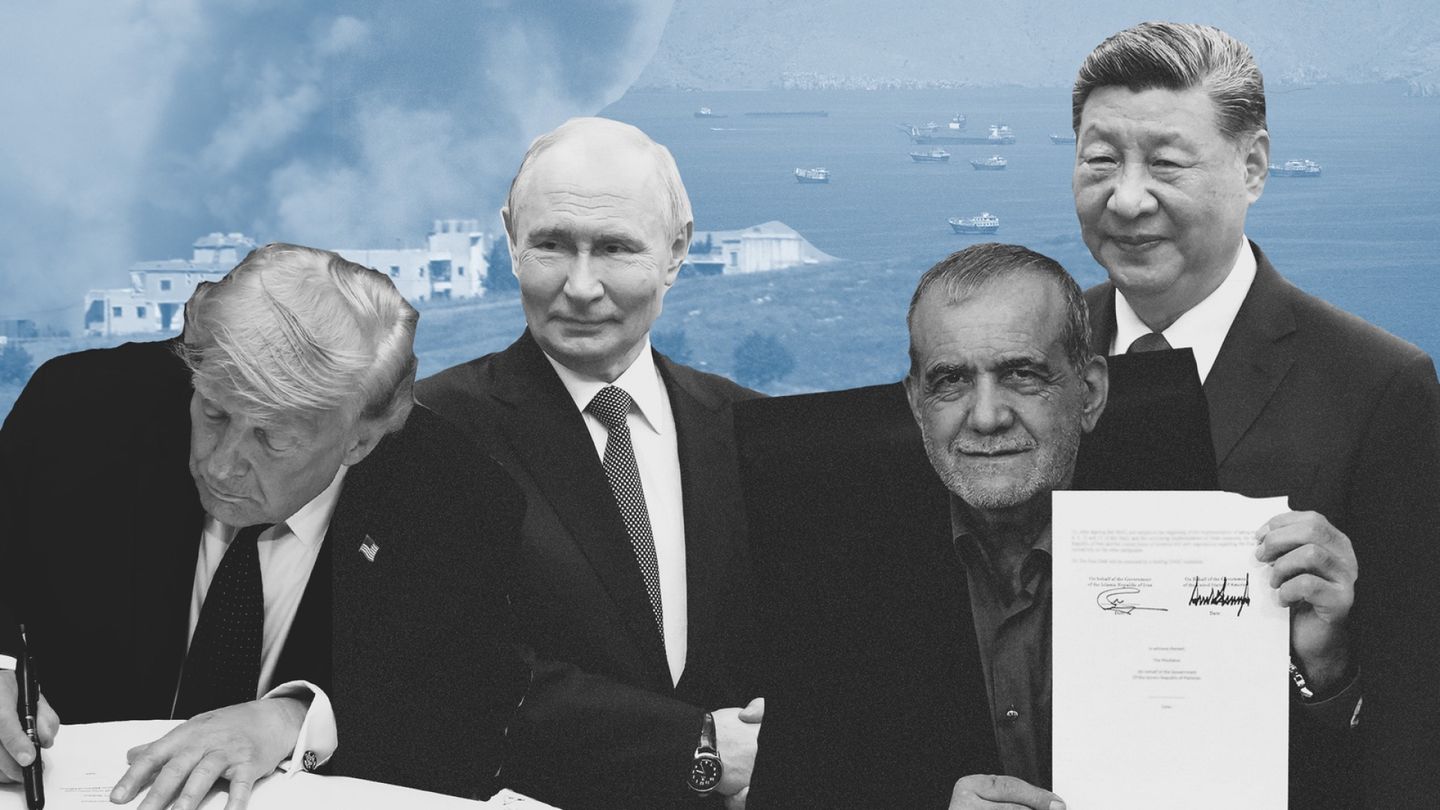
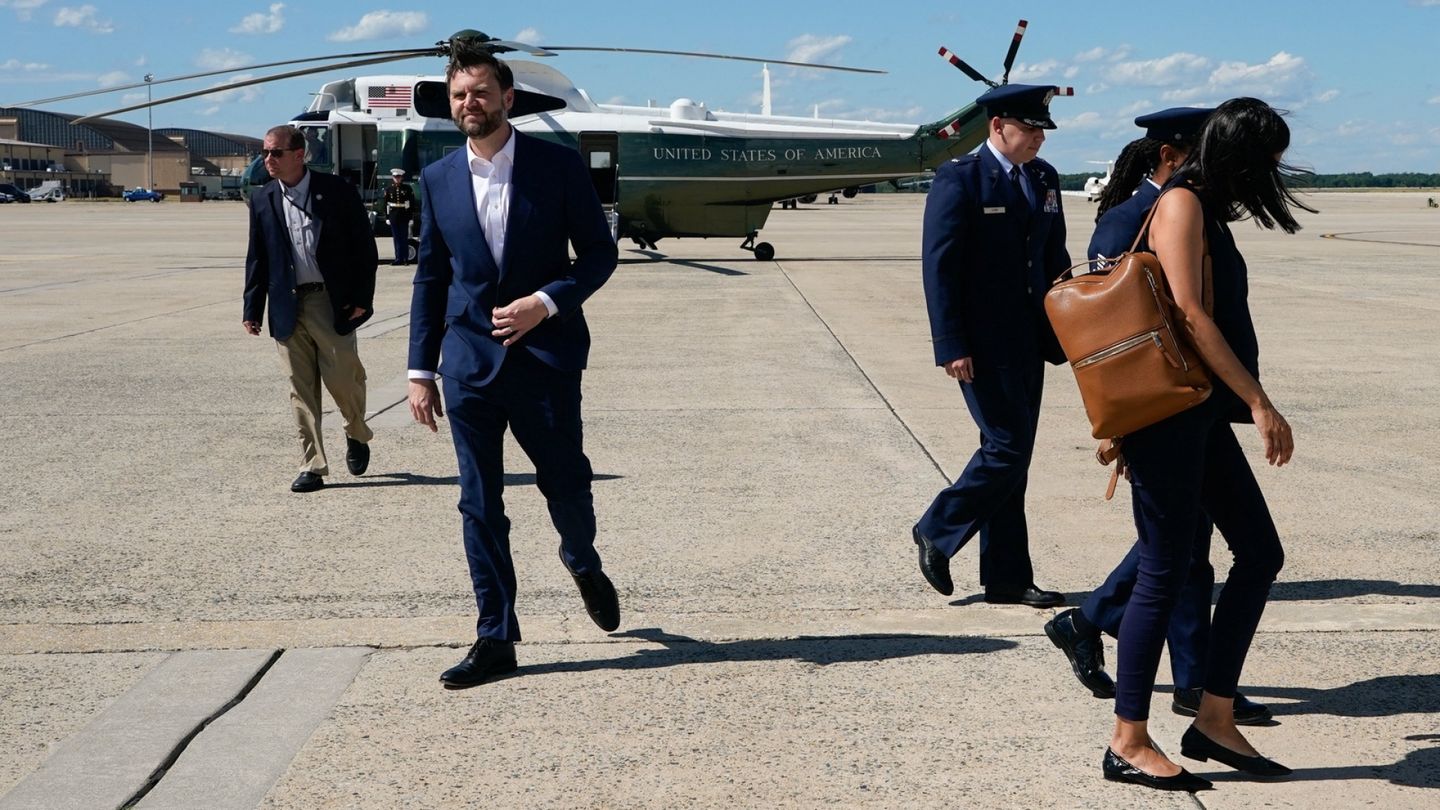
Peace negotiations between the United States and Iran are scheduled to commence Sunday in the Swiss mountain village of Bürgenstock. Vice President J. D. Vance departed late Saturday for Switzerland, accompanied by Pakistani Prime Minister Muhammad Shehbaz Sharif and Army Commander Asim Munir, who are mediating the talks. Iranian representatives arrived in Switzerland on Saturday, while Jared Kushner and Steve Witkoff, representing the U.S. in previous negotiations concerning the war in Ukraine, had already arrived.
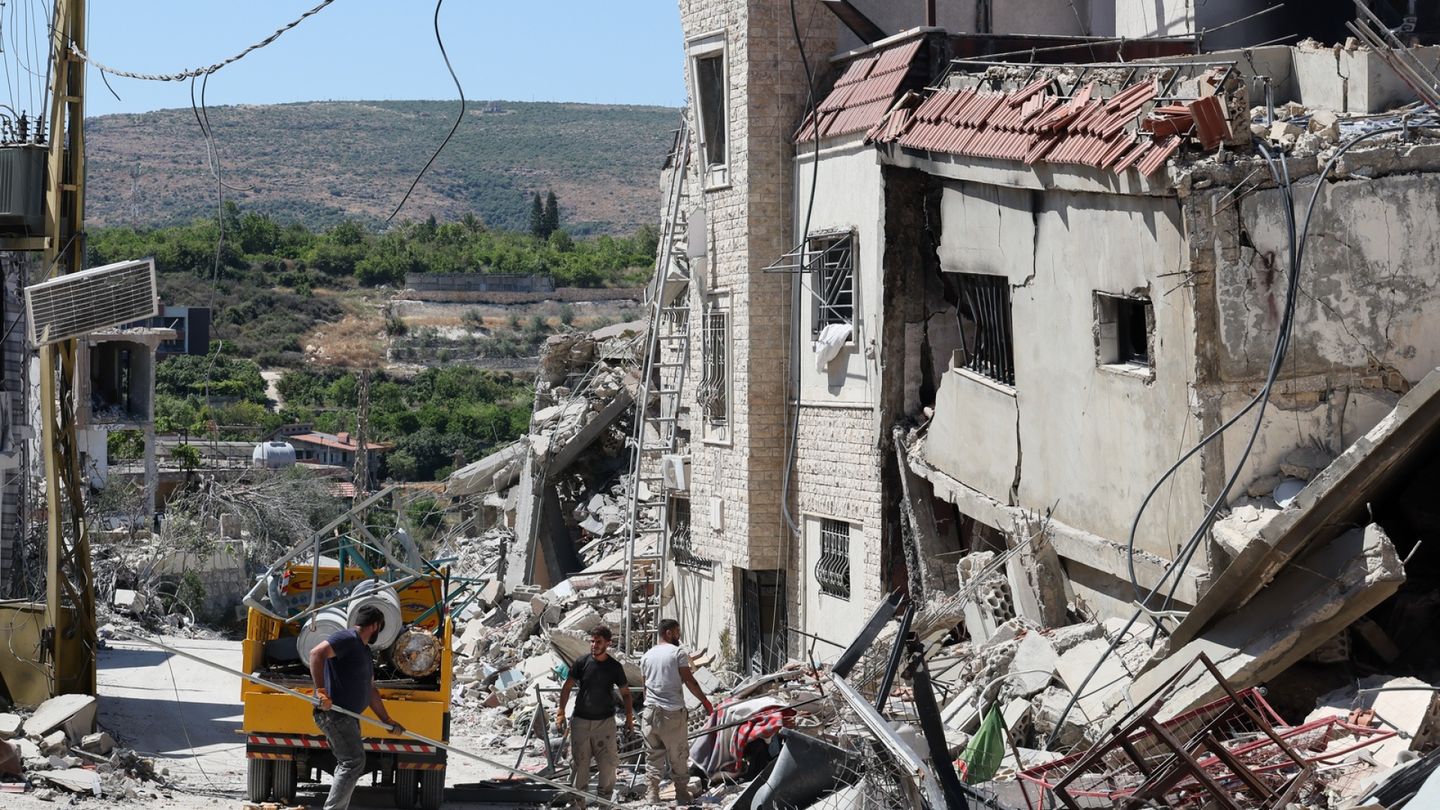
A memorandum of understanding, serving as the basis for the negotiations, was signed earlier this week, with a target of finalizing a comprehensive agreement within 60 days. The talks were initially slated for Friday but were postponed. A key focus for Iran's delegation is the cessation of hostilities in Lebanon, a point already included in the initial understanding. Despite a ceasefire agreement, fighting between Israel and Hezbollah in southern Lebanon continues, with Iran accusing Israel of violations and Israel stating it will respond to Hezbollah's attacks.
Complicating the situation is the status of the Hormuz Strait, a vital trade route significantly impacted by the conflict. While Iran announced the strait was open following the preliminary agreement, it later declared it closed in response to Israeli bombings in Lebanon. The U.S. maintains that commercial vessels continue to transit the strait. President Trump has not directly commented on Iran's closure announcement but has stated that the U.S. may impose transit fees if the agreement is not finalized, citing America's historical and future role as a "guardian angel" to Middle Eastern nations.
DistantNews Editorial
Originally published by Helsingin Sanomat in Finnish. Translated, summarized, and contextualized by our editorial team with added local perspective. Read our editorial standards.
More Stories

From Our Blog

What Gets Lost (and Found) When News Is Translated

The Critical Role of Diaspora Media in Global News

What Travellers Should Know About Countries with Restricted Press

A Digital Nomad's Guide to Following Local News

How the Same Story Looks Different in Different Countries
