


Plane crash near Peru's Nazca Lines kills 13 tourists
Translated from Spanish, summarized and contextualized by DistantNews.
At a glance
News
Sources not specified
Outcome reported
- A small plane carrying tourists crashed near Peru's Nazca Lines, killing all 13 people on board.
- The aircraft departed from Pisco airport and plummeted shortly after takeoff, with no survivors reported.
- This incident follows similar fatal accidents involving small aircraft in the region in 2010 and 2022.
Tragedy struck near Peru's famed Nazca Lines when a small aircraft carrying tourists crashed, resulting in the deaths of all 13 individuals on board. The plane went down shortly after departing from the airport in Pisco, a city located approximately 240 kilometers south of the capital, Lima.
Police confirmed that the accident occurred around 1:00 PM local time. Major Jorge Andrade of the police force stated that the toll included 11 passengers and two crew members. "Given the magnitude of the accident, there are no survivors," Andrade told reporters at the scene, adding that four bodies had been recovered so far. The cause of the crash remains under investigation by the Civil Aeronautics authority.
We have information that there are 11 passengers and two crew members who have died.
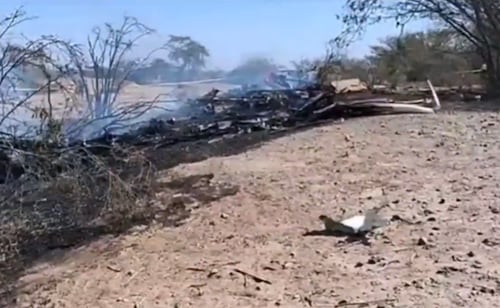
Images from the scene showed emergency services working amidst the mangled wreckage of the aircraft, which was still smoking. Pisco's small aerodrome is a hub for numerous small planes, frequently used by tourists eager to witness the ancient geoglyphs.
This is not the first time a sightseeing flight over the Nazca Lines has ended in disaster. In 2022, a similar crash claimed the lives of seven people, including tourists from Chile and the Netherlands. Another incident in October 2010 resulted in the deaths of four British tourists and two Peruvian crew members when a plane operated by AirNasca crashed after flying over the lines.
Given the magnitude of the accident, there are no survivors. So far we have recovered four bodies.
DistantNews Editorial
Originally published by El Universal in Spanish. Translated, summarized, and contextualized by our editorial team with added local perspective. Read our editorial standards.
More Stories



From Our Blog

What Press Freedom Means for the News You Read

What Gets Lost (and Found) When News Is Translated

The Critical Role of Diaspora Media in Global News

What Travellers Should Know About Countries with Restricted Press

A Digital Nomad's Guide to Following Local News
