


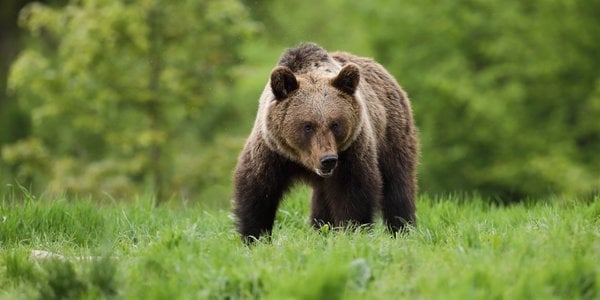
Poland Considers Compensation for Tourism Businesses Hurt by Wildlife Fears
Translated from Polish, summarized and contextualized by DistantNews.
At a glance
News
Sources not specified
New plan
- Poland is proposing legislation to compensate tourism businesses for lost revenue due to cancellations caused by fears of predators like bears or wolves.
- The proposed changes aim to align regulations with current market realities and a 2013 Constitutional Tribunal ruling.
- Currently, compensation is only provided for actual damages caused by specific protected species, not for lost bookings.
Polish lawmakers are considering new legislation that would allow tourism businesses to claim compensation for lost income resulting from booking cancellations driven by fears of wildlife, such as bears and wolves.
The draft amendment to the nature conservation law, to be submitted to parliament this week, aims to address the current market situation and a 2013 ruling by the Constitutional Tribunal. Currently, state compensation is limited to actual damages caused by five protected species: European bison, wolves, lynx, bears, and beavers.
Unfortunately, tourism business owners who have suffered damage due to the activity of protected wildlife cannot currently receive compensation for lost profits. If a tourist cancels a reservation out of fear of a bear, the owner is left with nothing.
Bartosz Romowicz, a member of parliament and proponent of the bill, highlighted the plight of tourism operators. "Unfortunately, tourism business owners who have suffered damage due to the activity of protected wildlife cannot currently receive compensation for lost profits," Romowicz stated. "If a tourist cancels a reservation out of fear of a bear, the owner is left with nothing."
The proposed changes would also incentivize environmental protection institutions to act more swiftly in managing animal populations. Compensation would be triggered by the state's failure or delay in managing these populations. Local tourism entrepreneurs in the Bieszczady Mountains have reported a significant drop in bookings, citing concerns fueled by social media reports of bear sightings. One business owner noted a 25% decrease in occupancy compared to the previous year.
Bears do not pose a threat to us or to tourists on the trails.
DistantNews Editorial
Originally published by Rzeczpospolita in Polish. Translated, summarized, and contextualized by our editorial team with added local perspective. Read our editorial standards.
More Stories


From Our Blog

What Gets Lost (and Found) When News Is Translated

The Critical Role of Diaspora Media in Global News

What Travellers Should Know About Countries with Restricted Press

A Digital Nomad's Guide to Following Local News

How the Same Story Looks Different in Different Countries
