


Poland enacts law to track doctors' earnings, sparking legal challenges
Translated from Polish, summarized and contextualized by DistantNews.
At a glance
News
Sources not specified
New plan
- Poland is implementing a new law on August 5 that allows the Medical Technology Assessment and Tariffication Agency (AOTMiT) to collect data on healthcare salaries linked to PESEL numbers or professional licenses.
- This data collection aims to address wage disparities and provide the health ministry with a clearer picture of earnings, especially for doctors working in multiple places or roles.
- The legislation was fast-tracked by the government in response to a case of a trainee doctor earning 1.6 million PLN in 2025, prompting concerns about excessive earnings.
A new Polish law taking effect on August 5 will enable the Medical Technology Assessment and Tariffication Agency (AOTMiT) to gather detailed salary information within the healthcare sector. This data will be linked to individuals' PESEL numbers or professional licenses, allowing for a comprehensive analysis of earnings across different employment forms and institutions.
Previously, the agency collected anonymized data, preventing it from identifying individual total earnings when a healthcare professional worked in multiple locations or held both an employment contract and a private contract. The new regulation aims to close this gap, providing the health ministry with previously unavailable insights into the financial remuneration of doctors and other healthcare staff.
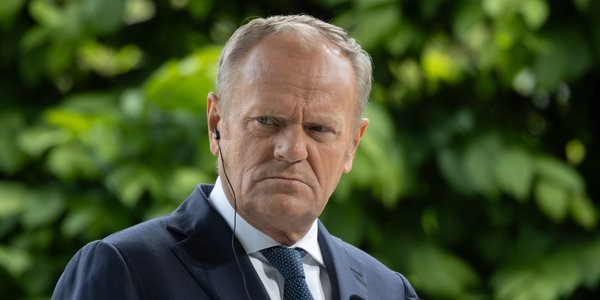
The government fast-tracked the legislation following a widely reported case of a trainee doctor who earned 1.6 million PLN in 2025. Prime Minister Donald Tusk described the earnings as "disturbing." The bill quickly passed through parliament and was signed by the president, who acknowledged it was prepared hastily but deemed it necessary for better control over the healthcare system.
However, the medical community has voiced strong opposition. The Supreme Medical Council has announced plans to challenge the law's constitutionality at the Constitutional Tribunal and is also seeking an EU review for compliance with GDPR. The new law is the first in a series of regulatory measures planned by the Ministry of Health to address irregularities within the healthcare system.
DistantNews Editorial
Originally published by Rzeczpospolita in Polish. Translated, summarized, and contextualized by our editorial team with added local perspective. Read our editorial standards.
More Stories



From Our Blog

What Gets Lost (and Found) When News Is Translated

The Critical Role of Diaspora Media in Global News

What Travellers Should Know About Countries with Restricted Press

A Digital Nomad's Guide to Following Local News

How the Same Story Looks Different in Different Countries
