

Poland's Crypto Scandal: Fugitive Tycoon and Espionage Claims Fuel Tusk-Duda Feud
Translated from Romanian, summarized and contextualized by DistantNews.
TLDR
- A political dispute in Poland centers on the regulation of digital assets, fueling conflict between Prime Minister Donald Tusk and President Andrzej Duda.
- The controversy involves the Zondacrypto exchange, facing allegations of misleading users and potential financial losses amounting to at least 350 million zlotys.
- The case has become a political tool ahead of next year's parliamentary elections, with Tusk advocating for EU regulations and opponents accusing the government of overreach.
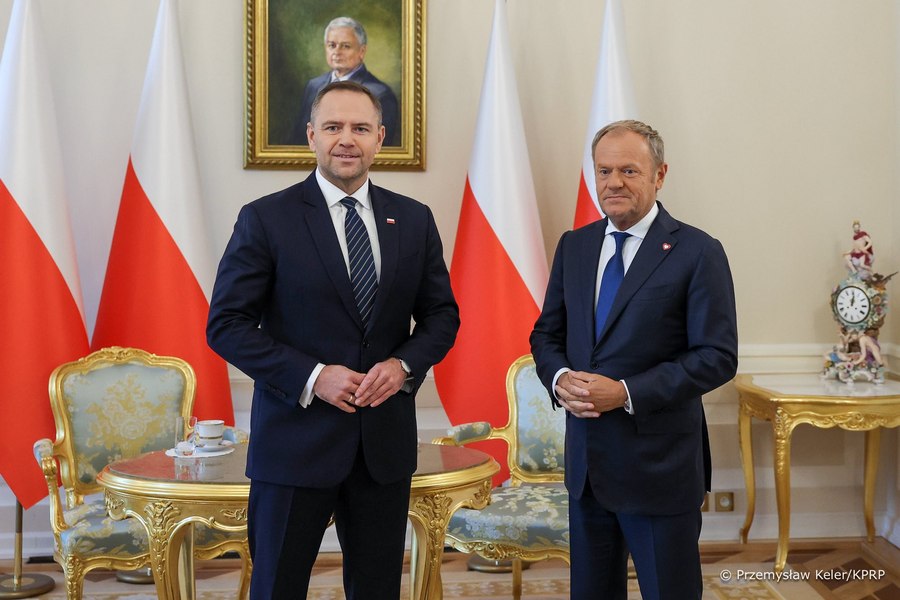
Poland is embroiled in a fierce political battleground, ignited by the controversial Zondacrypto exchange and its implications for digital asset regulation. This dispute has sharply divided the pro-European government of Prime Minister Donald Tusk and the nationalist camp led by President Andrzej Duda, transforming a financial investigation into a major political crisis.
The company's financial success comes not only from Russian money linked to the so-called Bratva – one of the most powerful mafia groups in Russia – but also from Russian intelligence agencies.
At the heart of the scandal are allegations that Zondacrypto, a platform that previously sponsored conservative events, misled users, resulting in estimated losses of at least 350 million zlotys (approximately 82.5 million euros). The company's director, Przemysław Kral, currently in Israel, denies the accusations, asserting the platform's solvency. This situation has provided Prime Minister Tusk with ammunition to push for the implementation of the EU's MiCA (Markets in Crypto-Assets) regulations, aiming to bring order and transparency to the burgeoning crypto market.
However, President Duda and his allies from the Law and Justice (PiS) party are resisting Tusk's push, accusing the government of abusing power and potentially stifling the domestic crypto industry. The conflict has taken on an international dimension, with Zondacrypto having sponsored the Polish edition of the conservative CPAC conference, where figures like former Trump administration official Kristi Noem have shown support for Duda's stance. This entanglement highlights the broader ideological divide within Poland and its connections to global political movements.
The government wants to eliminate the entire cryptocurrency market through a brutal approach, affecting even those who operate honestly.
Adding a more explosive layer, Prime Minister Tusk has publicly suggested that Zondacrypto's financial success may stem from dubious Russian sources, including mafia ties and intelligence agencies. This accusation, made during a closed parliamentary session, escalates the stakes significantly, linking the domestic crypto scandal to geopolitical concerns. Meanwhile, opposition figures like PiS leader Jarosław Kaczyński have attempted to distance their party from the scandal, with Kaczyński even advocating for a complete ban on cryptocurrencies, showcasing the deep divisions and strategic maneuvering at play. From a Polish perspective, this saga is not merely about financial regulation; it's a proxy battle over Poland's future direction—whether it aligns more closely with European integration or maintains a more nationalist, independent course, all while navigating the complex and often murky world of digital finance.
The government wants to eliminate the entire cryptocurrency market through a brutal approach, affecting even those who operate honestly.
DistantNews Editorial
Originally published by Adevărul in Romanian. Translated, summarized, and contextualized by our editorial team with added local perspective. Read our editorial standards.
More Stories


From Our Blog

What Gets Lost (and Found) When News Is Translated

The Critical Role of Diaspora Media in Global News

What Travellers Should Know About Countries with Restricted Press

A Digital Nomad's Guide to Following Local News

How the Same Story Looks Different in Different Countries
