

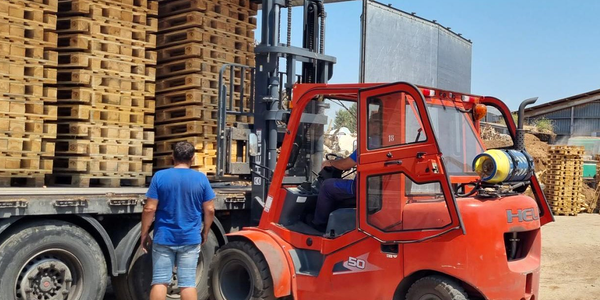

Poland's Economic Leap Since 1989 Threatened by Fiscal Risks
Translated from Polish, summarized and contextualized by DistantNews.
At a glance
Analysis
Sources not specified
Context piece
- Poland's economy has shown significant growth since 1989, with GDP increasing nearly 15-fold and per capita GDP more than tripling.
- The country has transitioned from a bankrupt state to a strong, diversified economy with high exports and foreign investment.
- However, current public finances face risks due to a large budget deficit, high debt servicing costs, and increasing expenditures, threatening the development model.
Poland has achieved remarkable economic transformation since 1989, evolving from a bankrupt nation into a robust European economy. The country's GDP has surged from approximately $70 billion in 1989 to over $1 trillion by 2025, marking a nearly 15-fold nominal increase. Real GDP per capita has more than tripled, rising from 41% of the EU average in 1989 to over 81% in 2024. Polish exports have also seen a substantial rise, increasing more than 14-fold during the same period, fostering a diversified, export-oriented economy supported by strong foreign investment and domestic consumption. The foundations for this growth were laid during the challenging early years of economic transformation, when Poland was a debtor nation cut off from international capital markets. Despite limited financial resources, institutional frameworks for a market economy were established, ensuring continuous economic growth over the past 36 years. The author suggests revisiting these early, cost-effective solutions that successfully reformed the economy. However, this progress is now threatened by the precarious state of public finances. Poland faces a significant budget deficit, the second-highest in the EU after Romania, and high debt servicing costs, second only to Hungary. Government spending has also increased dramatically, by over 6% of GDP between 2023-2025. The author criticizes the current government for succumbing to populist pressures and failing to curb expenditure growth, while also pointing to the previous opposition's role in rapidly increasing debt. The current situation, where the cost of servicing debt exceeds economic growth, poses a risk of a debt spiral. The article highlights that Poland's cash social transfers now exceed those of Sweden, once a model for social welfare states, reaching 18% of GDP.
DistantNews Editorial
Originally published by Rzeczpospolita in Polish. Translated, summarized, and contextualized by our editorial team with added local perspective. Read our editorial standards.
More Stories

From Our Blog

What Gets Lost (and Found) When News Is Translated

The Critical Role of Diaspora Media in Global News

What Travellers Should Know About Countries with Restricted Press

A Digital Nomad's Guide to Following Local News

How the Same Story Looks Different in Different Countries
