

Poland's Military: Modern Hardware Masks Deep Systemic Weaknesses
Translated from Polish, summarized and contextualized by DistantNews.
At a glance
Analysis
Named sources
Context piece
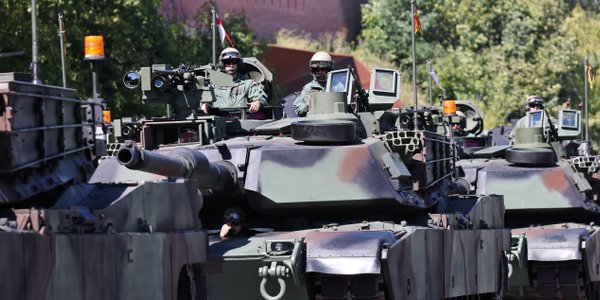
- Poland's military modernization is evident in new equipment like Abrams tanks and Patriot systems, visible in recent parades.
- However, fundamental issues persist, including a lack of mass training for reserves and a decade-long struggle to reform the Command and Control System.
- The article argues that while hardware is improving, these systemic weaknesses pose significant risks to national defense, especially concerning reserve mobilization and efficient military leadership.
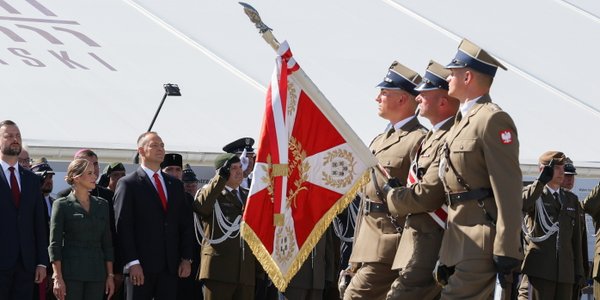
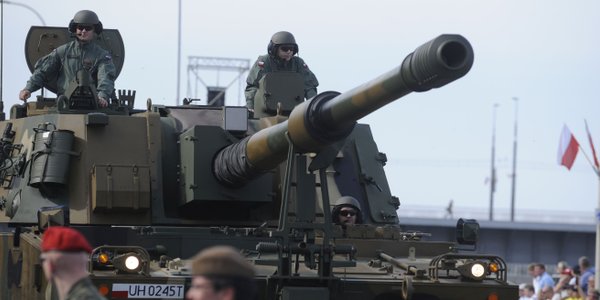
Poland's recent military parades showcase a significant leap in its armed forces' hardware, featuring advanced equipment such as Abrams tanks, K2 tanks, Patriot missile systems, and F-35 fighter jets. This modernization effort, even after substantial aid to Ukraine, leaves the Polish army better equipped than five years ago and poised for further improvement. The visible advancements are a cause for celebration, reflecting a substantial investment in national defense capabilities.
However, beneath the impressive display of modern weaponry lie critical, unresolved challenges that threaten Poland's defense readiness. A primary concern is the inadequate training of reserves. Since the suspension of mandatory conscription over 15 years ago, Poland has struggled to establish a robust system for training its reserve forces. Current initiatives like the Voluntary Basic Military Service only train a fraction of the numbers needed to potentially expand the army from its current 200,000 to the planned 600,000 or 800,000 in a conflict scenario.
Another significant and persistent issue is the reform of the Command and Control System (SKiD). This complex undertaking, aimed at clarifying responsibilities and decision-making authority, has been in progress for over a decade without tangible results. The lack of a streamlined and effective SKiD, coupled with the underdeveloped reserve training program, highlights systemic weaknesses that overshadow the advancements in military hardware. These fundamental problems require urgent attention to ensure Poland's long-term security and defense effectiveness.
DistantNews Editorial
Originally published by Rzeczpospolita in Polish. Translated, summarized, and contextualized by our editorial team with added local perspective. Read our editorial standards.
More Stories
From Our Blog

What Gets Lost (and Found) When News Is Translated

The Critical Role of Diaspora Media in Global News

What Travellers Should Know About Countries with Restricted Press

A Digital Nomad's Guide to Following Local News

How the Same Story Looks Different in Different Countries
