


Poland's Place in the World: Navigating Global Power and National Identity
Translated from Polish, summarized and contextualized by DistantNews.
TLDR
- The article discusses the indispensable role of the United States in global affairs, arguing that the world cannot be imagined without its presence.
- It contrasts the US's global influence, built on military and economic power, with Poland's position as a significant but not globally dominant nation within Europe.
- The author critiques a "destroyer" figure, possibly a political leader, who is damaging the legal system, drawing a parallel to the US's own internal challenges and its historical impact.
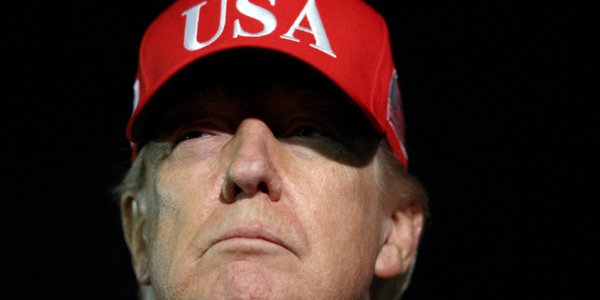
The United States, whether one likes it or not, is a global force that cannot be ignored. While some may argue that America 'spoils' the world, its influence also provides a degree of stabilization in shared global challenges. It is simply impossible to conceive of the world, at least for now, without America's presence.
Poland, in contrast, is not the United States. Many globally might need to consult 'Google' to understand Poland's place in the world, its alliances, or its language. While Poland's absence from the world stage might go unnoticed by many, it is certainly not insignificant, especially to its immediate neighbors and within the European Union, where it stands as a major member experiencing remarkable economic growth. For post-communist nations, Poland serves as a model of successful transition, demonstrating that courage can be rewarding.
However, the article pivots to a critique of a "destroyer" figure, drawing a parallel between this individual and the American notion of a "democratically elected emperor." Unlike the US, which has built its global prestige over 250 years, Poland's influence is more recent. This "destroyer," the author suggests, is actively dismantling the legal system, leaving behind a legacy of deep shame, akin to a jester's cap adorned with American feathers.
DistantNews Editorial
Originally published by Rzeczpospolita in Polish. Translated, summarized, and contextualized by our editorial team with added local perspective. Read our editorial standards.
More Stories

From Our Blog

What Gets Lost (and Found) When News Is Translated

The Critical Role of Diaspora Media in Global News

What Travellers Should Know About Countries with Restricted Press

A Digital Nomad's Guide to Following Local News

How the Same Story Looks Different in Different Countries
