



Polish firms resist mandatory fleet electrification amid economic concerns and AI investment
Translated from Polish, summarized and contextualized by DistantNews.
At a glance
News
Sources not specified
Context piece
- Polish companies are resisting mandatory fleet electrification due to high costs, residual value concerns, and inadequate charging infrastructure.
- A recent report indicates widespread financial pessimism among Polish households, particularly affecting younger generations.
- Poland is investing in artificial intelligence, with BGK Group backing ElevenLabs to develop a national AI hub, aiming for global competitiveness.
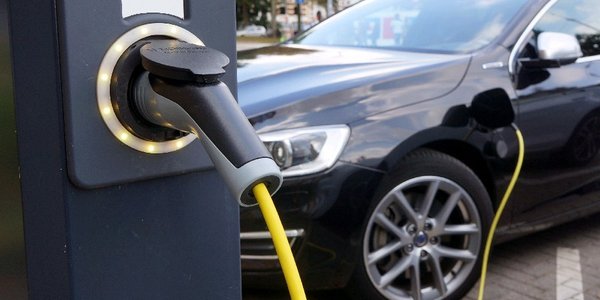
Polish businesses are pushing back against mandatory fleet electrification, a key component of the EU's green agenda. A group of countries, including Poland, blocked a proposed "fleet greening" initiative within the EU Council of Transport Ministers. This plan aimed to incentivize companies to adopt electric vehicles more rapidly. Industry and leasing representatives argue that the emissions targets set by the EU are currently unrealistic.
The primary obstacles cited by businesses include the substantial purchase price of electric vehicles, their rapid depreciation, and the insufficient development of charging infrastructure. Experts emphasize that without improved economic conditions, companies will continue to favor internal combustion engine vehicles, especially for sectors requiring heavy vehicle usage.
Meanwhile, a report by IQS reveals a prevailing sense of financial pessimism among Polish households, with negative assessments of their financial situation outweighing positive ones. This pessimism is most pronounced among older generations, while younger Poles express more optimism. Spending cuts are most common in areas like dining out, alcohol, and travel. Notably, 58 percent of individuals born between 1981 and 1996 report frequently or periodically running out of money before the end of the month. Economists warn that persistent consumer anxiety could dampen household spending, leading to slower economic growth.
In a move to bolster its technological future, Poland is making significant strides in artificial intelligence. Vinci, a company within the BGK Group, has invested $11 million in ElevenLabs, a prominent Polish AI technology firm. The investment aims to support the establishment of AI Lab Poland, a national center dedicated to AI development. Mati Staniszewski, co-founder and CEO of ElevenLabs, stated that a successful project would involve creating Polish tech companies valued at over $100 billion. This initiative aligns with broader efforts to enhance Poland's competitiveness in AI and new technologies.
DistantNews Editorial
Originally published by Rzeczpospolita in Polish. Translated, summarized, and contextualized by our editorial team with added local perspective. Read our editorial standards.
More Stories


From Our Blog

What Gets Lost (and Found) When News Is Translated

The Critical Role of Diaspora Media in Global News

What Travellers Should Know About Countries with Restricted Press

A Digital Nomad's Guide to Following Local News

How the Same Story Looks Different in Different Countries
