


Polish Lawmakers Frustrated by Lack of Data on Doctor Disciplinary Actions
Translated from Polish, summarized and contextualized by DistantNews.
At a glance
News
Sources not specified
Ongoing story
- Polish lawmakers sought statistics on disciplinary actions against doctors, including penalties, dismissals, and statute of limitations.
- They also inquired about the duration of proceedings, patient and doctor appeals, and discrepancies between medical and civil courts.
- Officials from key medical bodies were absent, leading to the postponement of the session and a demand for prepared answers.
Polish lawmakers aimed to obtain detailed statistics on disciplinary proceedings against doctors, including the number of cases initiated, those resulting in penalties, dismissals, or expiring due to the statute of limitations. They also sought information on the duration of these proceedings, appeals filed by both patients and doctors, and instances where civil courts reached different conclusions than medical tribunals.
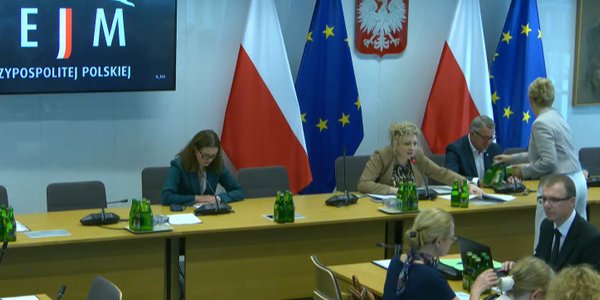
However, instead of comprehensive data, the politicians received primarily information about regulations and general systemic issues. Compounding the frustration, key officials responsible for these proceedings were absent from the Health Committee session. Neither the Chief Professional Responsibility Ombudsman (NROZ) nor a representative from the Supreme Medical Court (NSL) attended. The President of the Supreme Medical Chamber (NIL) was also absent, with the Chamber represented only by its secretary.
This absence of responsible individuals was a primary reason cited by lawmakers for deeming the discussion incomplete. Patryk Wicher of the Law and Justice party (PiS) called the lack of a person responsible for adjudications within the Chamber "scandalous" and an "ignorance of the Health Committee." The committee unanimously supported Wicher's motion to postpone the session, which will reconvene in September. The government and the medical self-governing bodies are tasked with preparing answers to the questions raised.
A significant criticism from the parliamentarians was that the presented information did not allow for an assessment of the effectiveness of the medical professional responsibility system. The Ministry of Health focused on legal bases for professional responsibility, the competencies of the medical self-governing bodies, and the minister's powers. Deputy Minister of Health Katarzyna Kęcka noted that the self-governing bodies operate independently, limiting the minister's actions. According to the law on medical chambers, the minister can, for example, file a cassation appeal against a final ruling by the NSL that concludes a doctor's professional responsibility case.
Kęcka did provide some figures on the number of rulings. According to published reports from the self-governing bodies, the Chief Professional Responsibility Ombudsman issued 877 rulings and decisions in 2023, 937 in 2024, and 1102 in 2025. The NSL issued 319 rulings and decisions in 2023 and 378 in 2024. However, lawmakers desired much more specific data, such as the proportion of cases ending in penalties, dismissals, or expiring, as well as the average duration of proceedings and the percentage of cases resolved favorably for patients. "This is a description of the current regulations, not a reliable assessment of the system's functioning," commented PiS MP Józefa Szczurek-Żelazko. The Office of the Patient Rights Ombudsman (BRP) presented the most concrete data regarding the system's operation.
DistantNews Editorial
Originally published by Rzeczpospolita in Polish. Translated, summarized, and contextualized by our editorial team with added local perspective. Read our editorial standards.
More Stories

From Our Blog

What Gets Lost (and Found) When News Is Translated

The Critical Role of Diaspora Media in Global News

What Travellers Should Know About Countries with Restricted Press

A Digital Nomad's Guide to Following Local News

How the Same Story Looks Different in Different Countries
