

Polish physicists explain the secret to perfect espresso
Translated from Polish, summarized and contextualized by DistantNews.
At a glance
News
Sources not specified
Context piece
- Polish physicists investigated the phenomenon of
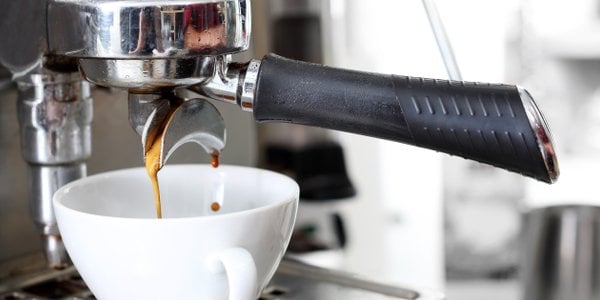
Polish physicists have demystified the daily struggle of water interacting with coffee grounds in espresso machines, a common cause of inconsistent coffee. Their research, presented at the Warsaw Coffee Conference, focused on "channeling," where water finds easier paths through the coffee, leading to uneven extraction.
Using a modified coffee machine equipped with pressure sensors and a scale, the scientists prepared 60 espresso shots with identical coffee grounds. They tested 11 pressure levels, ranging from 1 to 12 bars. Counterintuitively, increasing pressure did not always speed up water flow. While flow increased at lower pressures, it plateaued around 5 bars and even slowed at the highest pressures. The fastest flow occurred at approximately 5 bars, a level lower than the typical 6-9 bars used in most machines.
The study revealed that the coffee puck acts like a "wet sponge" rather than a rigid filter. As pressure increases, the coffee grounds compress, narrowing the passages. This compression creates resistance, and the grounds swell as they absorb water, causing flow paths to shift. X-ray tomography showed the coffee layer cracking and separating from the filter basket after brewing. Intermittent pump operation sped up flow but did not improve extraction, suggesting that pauses might encourage water to create shortcuts.
The researchers also analyzed the composition of the espresso over time. The first drops, appearing after 5-10 seconds, were highly concentrated with dissolved coffee solids. This concentration rapidly decreased after about 20 seconds, nearing zero by one minute. The highest concentration of dissolved substances per second was achieved around the 30-second mark, after which the machine dispensed increasingly diluted liquid. The findings offer baristas and home brewers insights into achieving a more predictable and repeatable espresso.
As physicists, we turn coffee into research every day. This time, we made it the subject, not the...
DistantNews Editorial
Originally published by Rzeczpospolita in Polish. Translated, summarized, and contextualized by our editorial team with added local perspective. Read our editorial standards.
More Stories


From Our Blog

What Gets Lost (and Found) When News Is Translated

The Critical Role of Diaspora Media in Global News

What Travellers Should Know About Countries with Restricted Press

A Digital Nomad's Guide to Following Local News

How the Same Story Looks Different in Different Countries
