

Polish Politicians Debate Health Screening Gaps: Awareness, Not Just Access, Is Key
Translated from Polish, summarized and contextualized by DistantNews.
At a glance
News
Named sources
Context piece
- Polish politicians acknowledge that while health screening programs and funding exist, a lack of public awareness hinders their effectiveness.
- Lawmakers from various parties highlight that simply making tests available is insufficient, emphasizing the need for health education to encourage proactive health management.
- There is a consensus that health prevention is a state-wide responsibility, requiring cross-ministry cooperation and promotion in all public spaces, not just solely by the Ministry of Health.
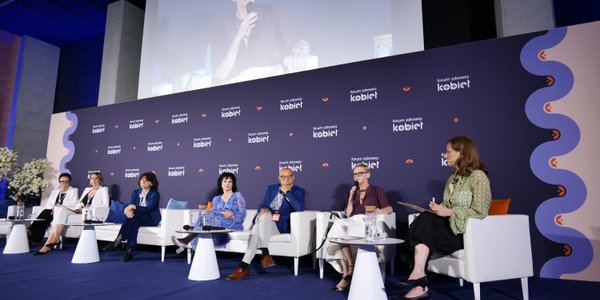
Polish politicians are grappling with a persistent challenge: ensuring citizens utilize available health screening programs. Despite the existence of funding and diagnostic tools, a significant portion of the population remains unaware of or disengaged from preventative healthcare.
Preventative screenings are available, and there is funding for them. The problem is that too few people still know how important prevention is and what options they have at their disposal.
Lawmakers across the political spectrum agree that simply offering free tests, like the "Profilaktyka 40+" program, does not automatically translate into higher participation. Joanna Wicha, a member of the Left party, points to a fundamental knowledge gap, stating that people often don't even know to search for "preventative screenings" because the topic is not considered "sexy."
The 'Profilaktyka 40+' program showed that the availability of tests alone is not enough. Even though patients could use them for free, it did not significantly translate into the number of visits.
Radosław Lubczyk, a member of the Polish People's Party (PSL), echoes this sentiment, emphasizing that without understanding the "why" behind screenings, even substantial financial investment will yield poor results. He attributes this to a historical lack of emphasis on personal health responsibility in Poland, underscoring the critical need for health education.
We can allocate huge resources to prevention, but if people are not aware of why it is worth getting tested, we will still not achieve results. In Poland, for years, we have not been taught responsibility for our own health, which is why health education is so needed.
Monika Wielichowska, Deputy Marshal of the Sejm and a member of Civic Coalition, broadens the definition of prevention beyond medical visits. She stresses the importance of daily choices, diet, hydration, sleep, exercise, and mental well-being, as foundational to health. While acknowledging progress in diagnostic capabilities, she notes that many Poles still delay seeking medical attention until illness is advanced. Wielichowska also advocates for a broader state responsibility, urging collaboration between ministries and leveraging all public platforms, from state-owned companies to workplace communications, to promote health.
Prevention includes screening tests, vaccinations, health check-ups, and doctor's visits. But it also includes daily decisions: what we eat, how much water we drink, whether we sleep long enough and well, whether we move, whether we know how to take care of regeneration and mental health.
DistantNews Editorial
Originally published by Rzeczpospolita in Polish. Translated, summarized, and contextualized by our editorial team with added local perspective. Read our editorial standards.
More Stories


From Our Blog

What Gets Lost (and Found) When News Is Translated

The Critical Role of Diaspora Media in Global News

What Travellers Should Know About Countries with Restricted Press

A Digital Nomad's Guide to Following Local News

How the Same Story Looks Different in Different Countries
