


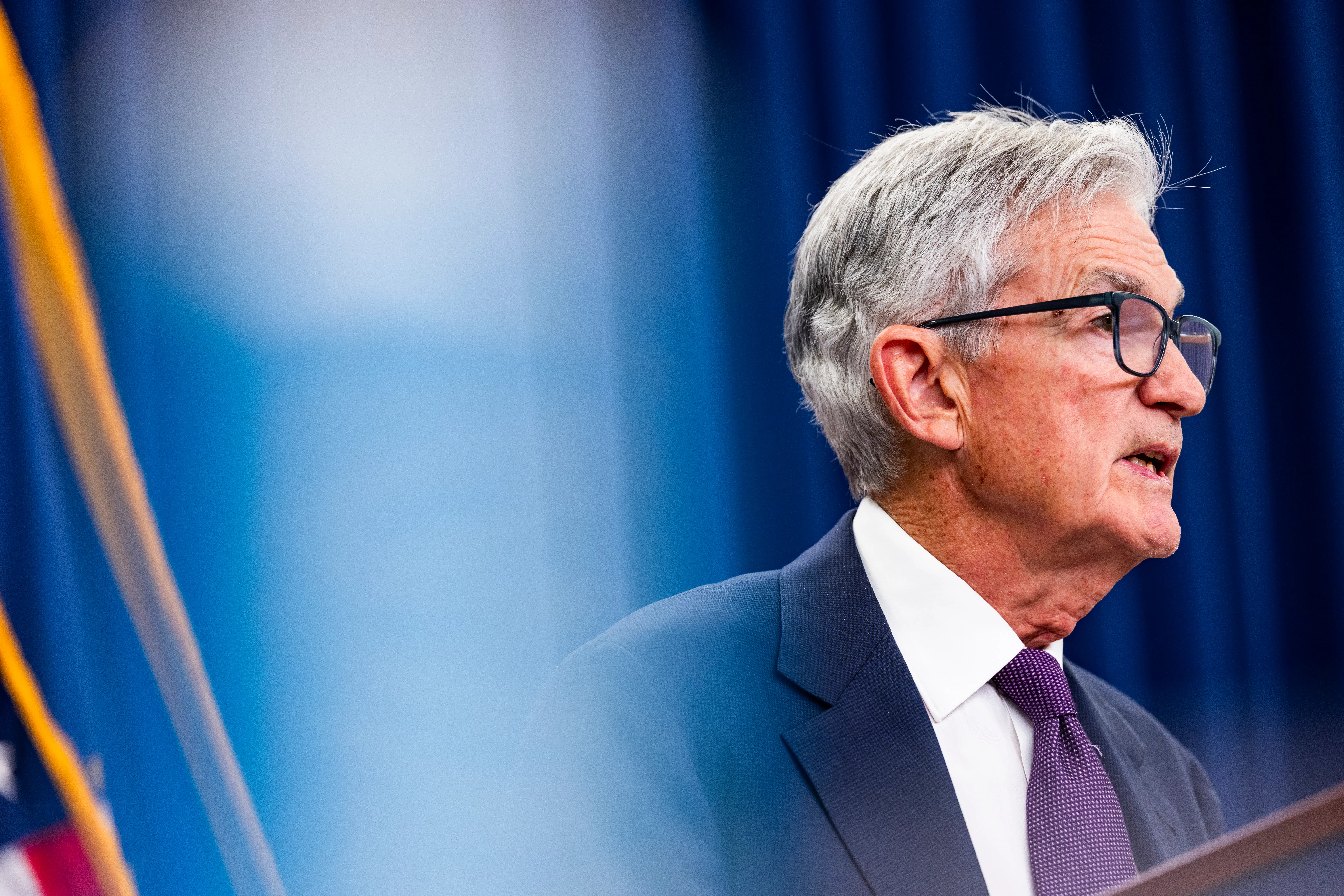
Powell's Fed Holds Rates; ECB Decision Looms Amid Inflation Fears
Translated from Danish, summarized and contextualized by DistantNews.
TLDR
- Jerome Powell concluded his final Federal Reserve meeting, maintaining interest rates at 3.75% and refraining from signaling future moves, marking the end of a tenure marked by significant attacks from Donald Trump.
- The European Central Bank (ECB) is expected to hold its interest rate at 2% on Thursday, but market expectations of a June rate hike, influenced by energy prices and geopolitical tensions, could make the meeting dramatic.
- The ECB's decisions directly impact Danish homeowners with short-term interest rate loans, and its chief Christine Lagarde's press conference will provide crucial signals about future rate directions.
As Denmark's leading business daily, Berlingske has closely followed the global economic landscape, and the recent Federal Reserve meeting led by Jerome Powell is a significant event. Powell's tenure, marked by unprecedented attacks from former President Trump, highlights the ongoing struggle to maintain the central bank's independence. While Powell departs the chairmanship, his continued presence on the board ensures a degree of continuity, though the reins are passing to a Trump appointee who may pursue a more aggressive rate-cutting agenda.
The focus now shifts to the European Central Bank, where a rate hold is anticipated. However, the possibility of a June rate hike, fueled by rising energy prices and geopolitical instability, presents a potential turning point. For Danish homeowners with variable-rate mortgages, these decisions carry direct financial implications. The ECB's communication, particularly from President Christine Lagarde, will be scrutinized for clues about the future trajectory of interest rates, impacting not just European economies but also households across the continent.
Rentemeddelelsen og det efterfølgende pressemøde med ECBs chef, Christine Lagarde, vil give mere håndfaste signaler om, hvor renten er på vej hen.
This story also touches upon a sensitive issue within Denmark's own media landscape. Reports of journalists secretly receiving payments from the Danish Union of Journalists while on strike, in violation of collective agreements, raise serious questions about the integrity of the 'fourth estate.' This practice, particularly among those who position themselves as arbiters of truth, is deeply concerning and warrants further investigation. The contrast between the global economic focus and this domestic ethical quandary underscores the multifaceted challenges facing both financial markets and the media.
Det er en historie, der er særligt pinagtig, fordi praksissen har fundet sted blandt dem, der ynder at kalde sig selv den fjerde statsmagt.
DistantNews Editorial
Originally published by Berlingske in Danish. Translated, summarized, and contextualized by our editorial team with added local perspective. Read our editorial standards.
More Stories


From Our Blog

What Gets Lost (and Found) When News Is Translated

The Critical Role of Diaspora Media in Global News

What Travellers Should Know About Countries with Restricted Press

A Digital Nomad's Guide to Following Local News

How the Same Story Looks Different in Different Countries
