

President Prabowo Urges Swift Passage of Labor Bill
Translated from Indonesian, summarized and contextualized by DistantNews.
TLDR
- Indonesian President Prabowo Subianto has urged for the swift finalization of the Labor Bill.
- He instructed the Ministers of Manpower and Law to coordinate with the House of Representatives to expedite the process.
- The President emphasized that the bill must be pro-labor and prioritize the interests of the Indonesian people, especially the less fortunate.
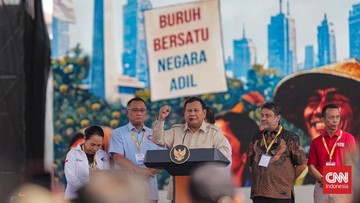
President Prabowo Subianto has signaled a strong commitment to advancing workers' rights in Indonesia by calling for the immediate completion of the Labor Bill. During his May Day address, the President directly instructed key ministers to collaborate with the legislative body to ensure the bill's passage within the current year. This directive underscores the administration's focus on creating a legal framework that genuinely supports and protects the Indonesian workforce. President Prabowo articulated a clear principle for policy-making: 'If you are drafting policies, think, ask, is this beneficial to the small people or not? If it benefits the small people, implement it. That's right, don't hesitate.' This statement reflects a people-centric approach, prioritizing the welfare of ordinary citizens. Labor unions have welcomed the President's call, expressing their hope that the new legislation will address critical issues such as contract work, wages, and outsourcing. They acknowledge the historical challenges in passing such comprehensive labor laws due to competing interests but remain optimistic that the current government will succeed where previous ones have faltered. The push for this bill signifies a crucial step towards ensuring greater justice and fairness for Indonesian workers.
If it benefits the small people, implement it. That's right, don't hesitate.
DistantNews Editorial
Originally published by CNN Indonesia in Indonesian. Translated, summarized, and contextualized by our editorial team with added local perspective. Read our editorial standards.
More Stories
From Our Blog

What Gets Lost (and Found) When News Is Translated

The Critical Role of Diaspora Media in Global News

What Travellers Should Know About Countries with Restricted Press

A Digital Nomad's Guide to Following Local News

How the Same Story Looks Different in Different Countries
