


Propagating Coleus: A Trick to Create New Leaf Patterns
Translated from German, summarized and contextualized by DistantNews.
At a glance
In-depth
Named sources
Context piece
- New varieties of colorful coleus plants with exciting patterns and colors emerge annually.
- Hobbyists can breed their own varieties by allowing plants to flower and produce seeds.
- To overwinter coleus, take fresh cuttings in the fall and provide bright, indirect light, regular watering, and fertilization.
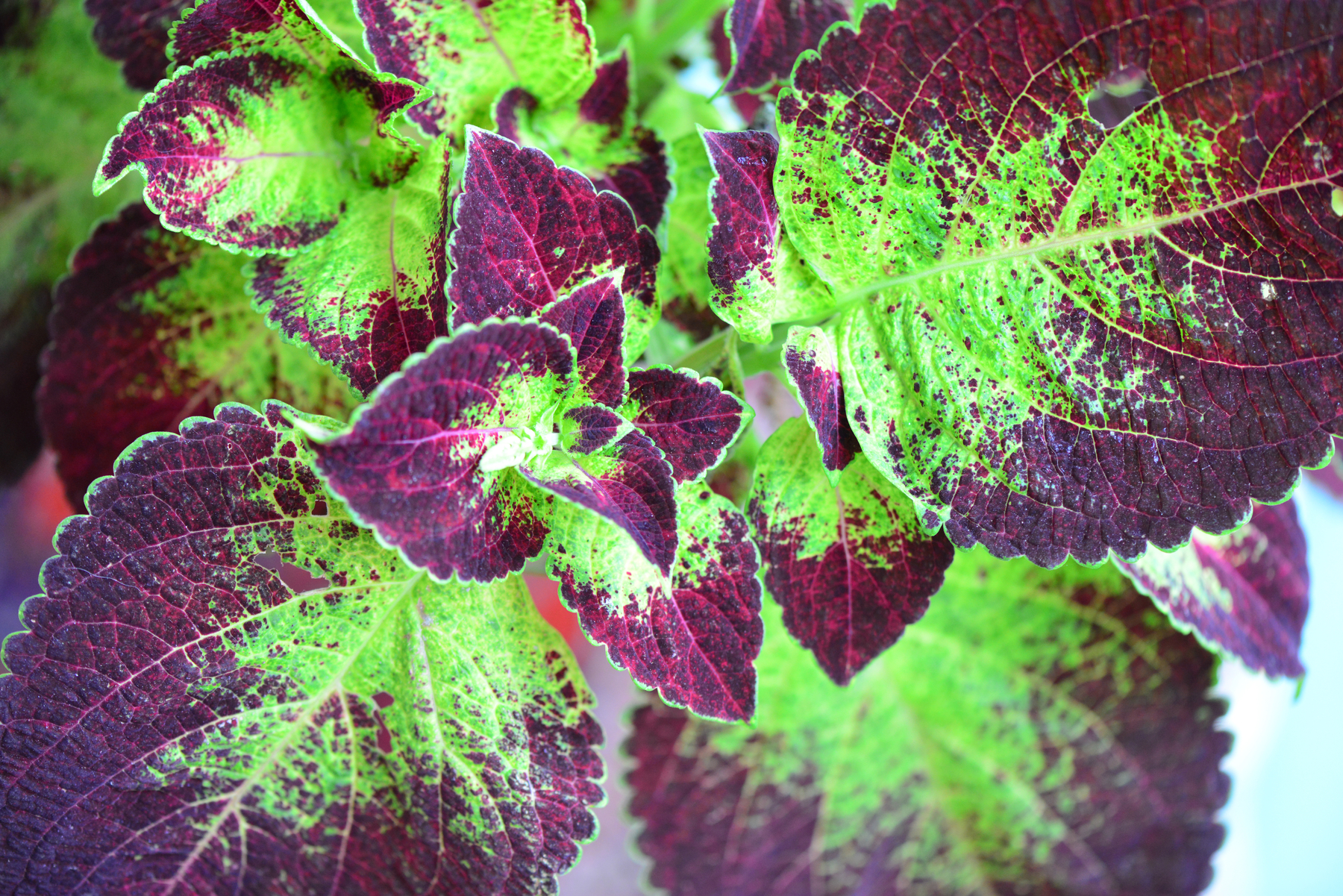
The colorful coleus plant, a beloved ornamental foliage plant, is known for its ease of cultivation and vibrant appearance. While considered a classic, new cultivars with striking patterns and hues are introduced each year, making it challenging to keep up with the latest trends.
For enthusiasts eager to experiment, breeding new coleus varieties is an achievable goal. This process begins by allowing the plants to bloom and set seed. Although coleus specialists typically prune their plants to encourage bushy growth and prevent them from expending energy on flowering, it's advisable to let a few plants flower and mature their seeds for breeding purposes.
The resulting hybrid seeds, derived from crosses between different varieties, should be sown on the surface of the propagation medium and not covered, as coleus seeds require light to germinate. Keep the seed tray in a shaded area and cover it with plastic or a dome. Seedlings typically emerge quickly. While not all offspring will display remarkable patterns or colors, some unique and exceptional varieties are likely to emerge.
For those looking to preserve their favorite coleus plants through the winter, the best method is to take fresh cuttings in the fall before temperatures drop. These cuttings can be successfully overwintered by providing them with a bright location, avoiding direct midday sun, and ensuring regular watering and fertilization. With proper care, they will thrive and grow splendidly.
DistantNews Editorial
Originally published by Die Presse in German. Translated, summarized, and contextualized by our editorial team with added local perspective. Read our editorial standards.
More Stories



From Our Blog

What Gets Lost (and Found) When News Is Translated

The Critical Role of Diaspora Media in Global News

What Travellers Should Know About Countries with Restricted Press

A Digital Nomad's Guide to Following Local News

How the Same Story Looks Different in Different Countries
