


Proposal Would Let Children with Dual Citizenship Choose a Nationality by Age 28
Translated from Indonesian and summarized by DistantNews. Read the original for the full story.
At a glance
News
Named sources
Ongoing story
- KPC MELATI submitted recommendations on Indonesia’s draft citizenship law to Law Minister Supratman Andi Agtas.
- The group proposed an “18+10” scheme allowing children with dual citizenship to choose one nationality between ages 18 and 28.
- It said the longer period would give young people time to complete education, gain independence and make a more informed decision, while a draft-law safeguard would apply only after Indonesian citizenship had already been lost.
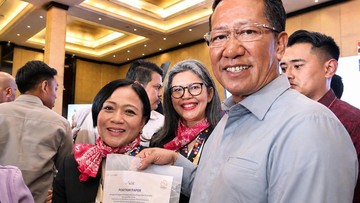
Families in mixed marriages are asking Indonesia to give children with dual citizenship more time to decide which nationality they will keep. KPC MELATI submitted policy recommendations on the draft citizenship law to Law Minister Supratman Andi Agtas, proposing an “18+10” scheme that would allow the choice from age 18 until no later than 28.
This scheme gives children the opportunity to state their choice of citizenship from the age of 18 until no later than 28.
Rinawati Prihatiningsih, the group’s chairwoman, said young adults often remain in higher education, start their careers, depend financially on their parents or lack a clear idea of where they will build their lives. The extra time, she said, would allow them to make a decision with greater maturity.
The proposal does not seek unlimited dual citizenship. Under the suggested scheme, each child would still have to choose one nationality. KPC MELATI argues that children born to an Indonesian parent should not lose their Indonesian citizenship because an administrative deadline arrives before they are ready to decide.
Children are not foreigners who have only just asked to become part of Indonesia. They were born to an Indonesian father or mother and had previously been recognized as Indonesian citizens.
The group also addressed Article 52 of the draft law, which would create a route for children who lose Indonesian citizenship after missing the deadline to apply to regain it. Rinawati described that provision as a safety net, but noted that it would not restore citizenship automatically. She said prevention would be simpler and more humane, and recommended a straightforward declaration or registration process for those who missed the choice because they did not know the procedure, received no notice or faced administrative obstacles.
Article 52 is a safety net for those who have lost their Indonesian citizenship. But prevention is simpler, more humane and more efficient.
About this summary
Originally published by CNN Indonesia in Indonesian. Translated, summarized, and contextualized automatically by DistantNews, with a note on how the source frames the story. Not individually reviewed before publishing. How this works.
More Stories


From Our Blog

What Gets Lost (and Found) When News Is Translated

The Critical Role of Diaspora Media in Global News

What Travellers Should Know About Countries with Restricted Press

A Digital Nomad's Guide to Following Local News

How the Same Story Looks Different in Different Countries
