


Prosecutors Indict KCTU Leader Over Protest Allegedly Disrupting Traffic
Translated from Korean, summarized and contextualized by DistantNews.
TLDR
- Prosecutors have issued a summary indictment against Yang Kyung-soo, the leader of the Korean Confederation of Trade Unions (KCTU), for charges related to an unauthorized protest.
- Yang and other KCTU leaders are accused of violating the Assembly and Demonstration Act and obstructing public traffic during a rally calling for the impeachment of former President Yoon Suk-yeol.
- A summary indictment typically results in a fine or minor penalty without a full trial, unless a formal trial is requested.
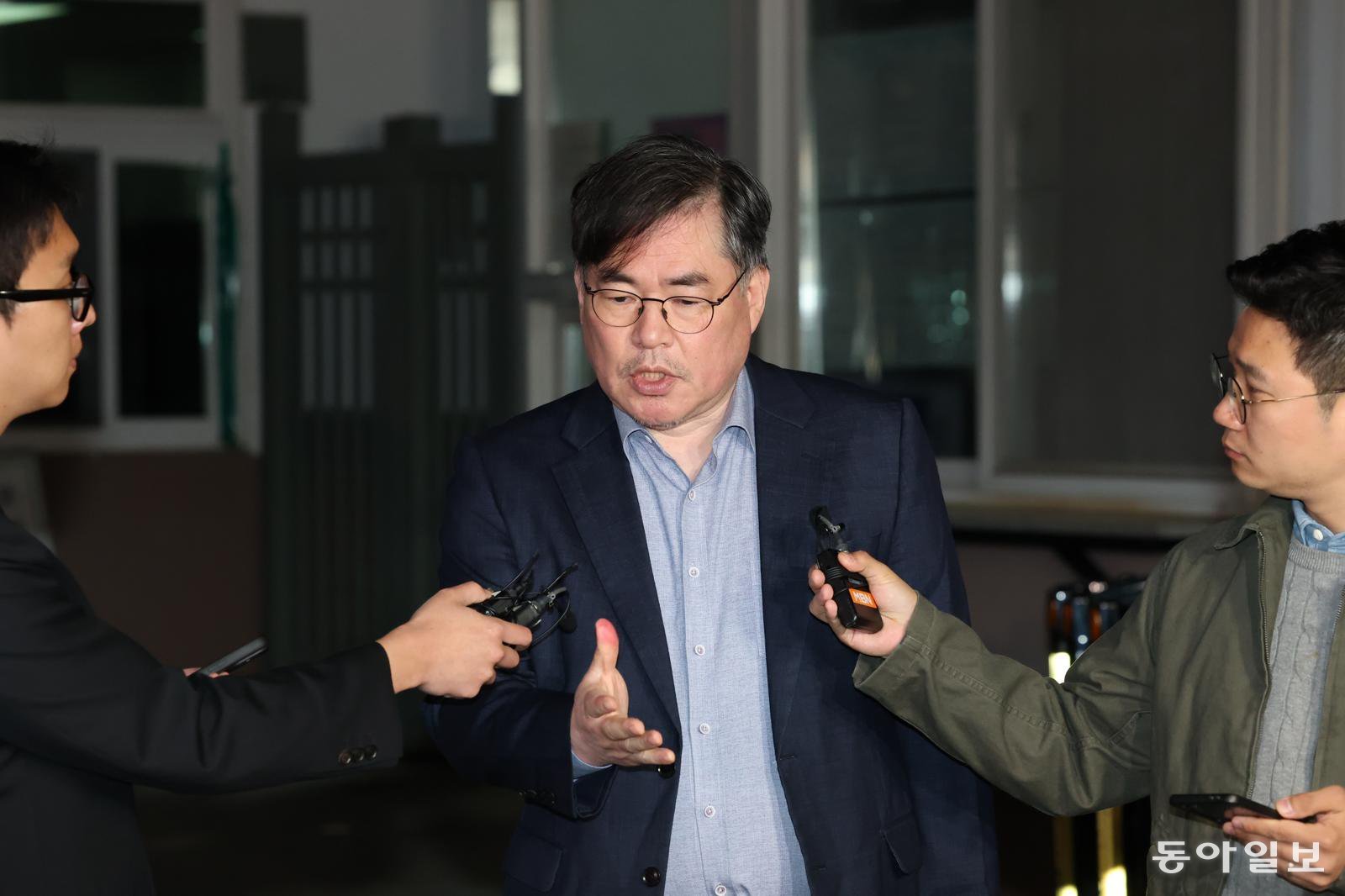
Prosecutors have opted for a summary indictment against Yang Kyung-soo, the president of the Korean Confederation of Trade Unions (KCTU), and other union leaders, citing charges related to an unauthorized protest. This legal action stems from a rally held in December 2024, where participants called for the impeachment of former President Yoon Suk-yeol and marched towards the presidential office. The prosecution alleges that the demonstration violated the Assembly and Demonstration Act and caused obstruction of public traffic.
The KCTU, a prominent labor organization in South Korea, has been vocal in its criticism of the government and has organized various protests advocating for workers' rights and political change. This particular rally, which occurred after a period of significant political tension, saw clashes with police as authorities attempted to block the march. The prosecution's decision to pursue a summary indictment suggests that the alleged offenses are considered relatively minor, typically punishable by fines or other non-custodial sentences, bypassing a full-fledged trial.
Yang Kyung-soo, a key figure in the labor movement, has previously articulated his stance on civil disobedience, stating that citizens have a right to take action to uphold democratic principles when the state infringes upon them. This perspective frames the protest not merely as a disruption but as a necessary assertion of constitutional rights in the face of perceived governmental overreach.
From a South Korean perspective, labor union activities and protests are a significant part of the socio-political landscape. While the government and law enforcement agencies focus on maintaining public order and enforcing laws, labor unions often view their actions as legitimate expressions of dissent and demands for social justice. The framing of the protest as a call for impeachment and a defense of democratic order, as articulated by Yang, resonates with segments of the population critical of the former administration. The legal proceedings, even if resulting in a summary indictment, will likely be closely watched by labor advocates and political observers, reflecting the ongoing tension between labor rights, public order, and the exercise of free speech in South Korea.
When the person exercising public power infringes upon or destroys the democratic order, it is the right of the people to step forward and defend the constitution.
DistantNews Editorial
Originally published by Hankyoreh in Korean. Translated, summarized, and contextualized by our editorial team with added local perspective. Read our editorial standards.
More Stories


From Our Blog

What Gets Lost (and Found) When News Is Translated

The Critical Role of Diaspora Media in Global News

What Travellers Should Know About Countries with Restricted Press

A Digital Nomad's Guide to Following Local News

How the Same Story Looks Different in Different Countries
