


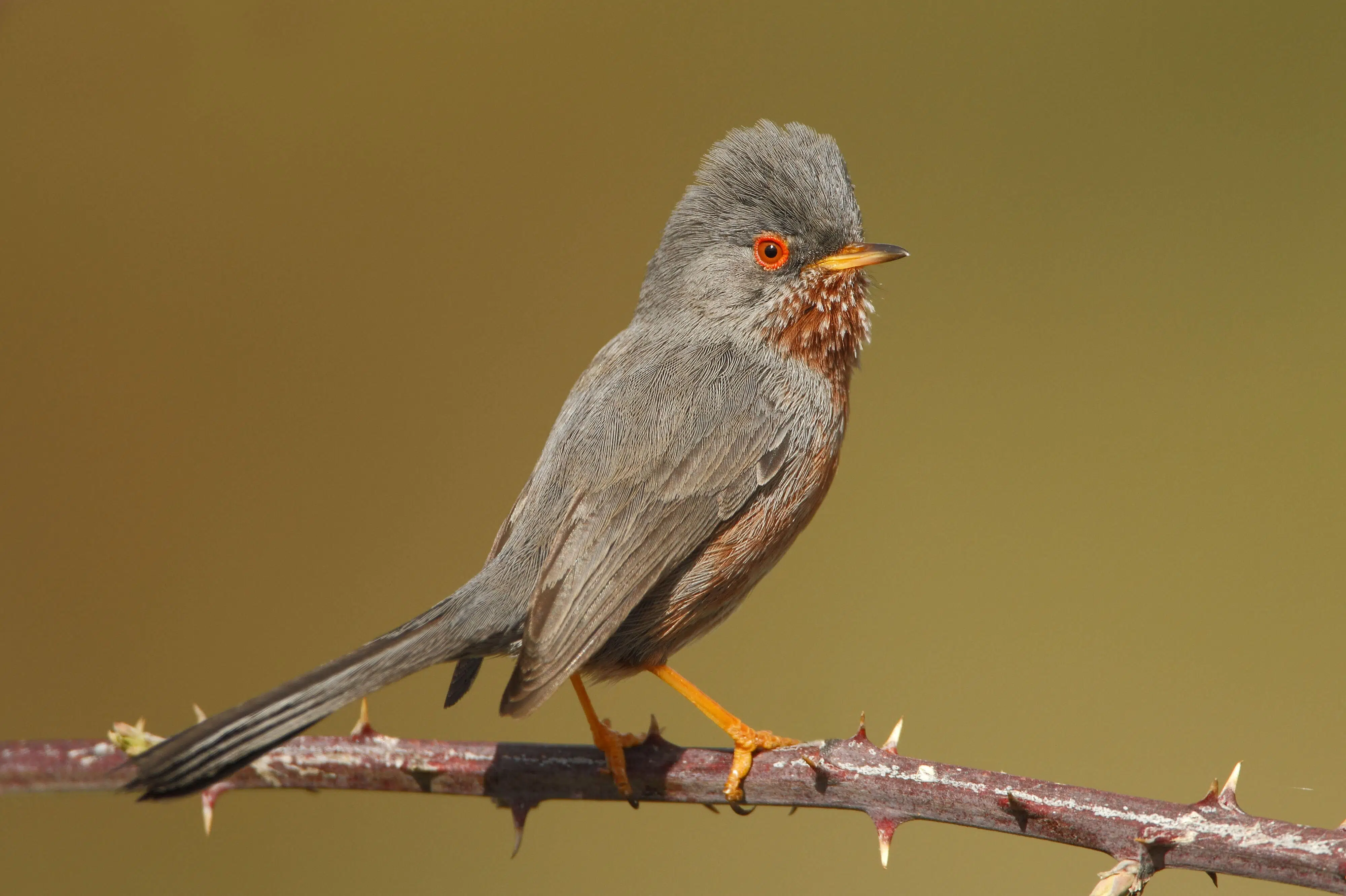
Provence Warbler Sighted in Denmark for First Time
Translated from Danish, summarized and contextualized by DistantNews.
TLDR
- A Provence Warbler, a species typically found in Southern Europe, has been sighted in Denmark for the first time.
- The bird was observed near Rønnerhavnen, north of Frederikshavn, on Sunday.
- Ornithologists are investigating the unusual northward migration, speculating it could be due to navigational errors or hormonal influences.
Denmark has recorded a remarkable first: the sighting of a Provence Warbler, a species rarely venturing this far north. The small, distinctive bird was spotted on Sunday near Rønnerhavnen, just north of Frederikshavn, marking a significant event for Danish birdwatching enthusiasts.
Now I have waited 50 years to see a Provence Warbler in Denmark. And then it came today.
Ornithologist Rolf Christensen from Grenen Fuglestation expressed his long-held anticipation, stating, "Now I have waited 50 years to see a Provence Warbler in Denmark. And then it came today." The news quickly spread, drawing numerous bird lovers to the location hoping for a glimpse of the rare visitor.
The Provence Warbler, a sparrow-sized bird measuring 12-13 centimeters with a long tail, is typically found in southern European countries like France and Spain. Its appearance in Denmark is considered a mystery, with experts like Christensen suggesting potential navigational errors or hormonal changes as possible reasons for its extensive journey north. The bird, which feeds on insects, could potentially find sustenance in Denmark currently, but its ultimate destination—whether it continues to Sweden or attempts to return south—remains unknown.
It has flown at least 1500 kilometers wrong. It could be because something went wrong in the navigation, possibly due to some hormonal influences.
While the species is not considered threatened, with thousands of breeding pairs in France and Spain, this individual's presence in Denmark is an anomaly. This event highlights the unpredictable nature of bird migration and offers a unique opportunity for Danish ornithologists to study a species far outside its usual range, providing valuable data on avian behavior and migratory patterns.
It might be flying on to Sweden. But it could also find its way back to France or Spain, where it comes from. We will probably never know.
DistantNews Editorial
Originally published by Berlingske in Danish. Translated, summarized, and contextualized by our editorial team with added local perspective. Read our editorial standards.
More Stories

,xPosition=.5,yPosition=.5;Resize=(1200,675)&impolicy=medium)

From Our Blog

What Gets Lost (and Found) When News Is Translated

The Critical Role of Diaspora Media in Global News

What Travellers Should Know About Countries with Restricted Press

A Digital Nomad's Guide to Following Local News

How the Same Story Looks Different in Different Countries
