


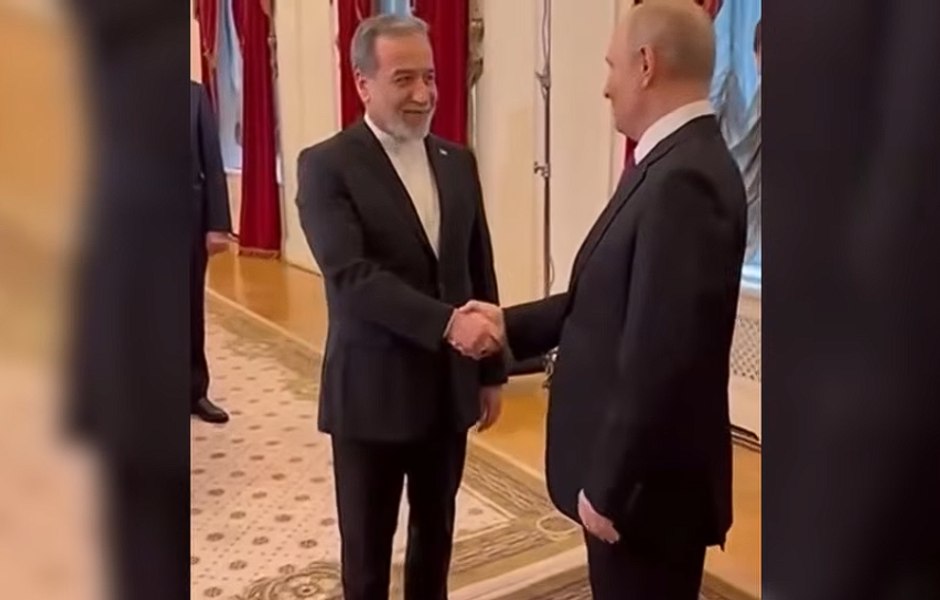
Putin Pledges Support to Iran, Vows to Do 'Everything' for Middle East Peace
Translated from Romanian, summarized and contextualized by DistantNews.
TLDR
- Russian President Vladimir Putin met with Iran's foreign minister, pledging Moscow's support for regional stability.
- Putin stated Russia would do everything to achieve peace in the region, while Iran's minister accused the US of blocking negotiations.
- The meeting occurs as Iran seeks international backing amid tensions with the US and Israel, and considers controlling the Strait of Hormuz.
From Moscow, the Kremlin's engagement with Tehran signals a strategic alignment aimed at bolstering regional stability and countering Western influence. President Putin's assurance of support for Iran's interests and regional peace underscores Russia's role as a key diplomatic player in the Middle East. This engagement is particularly significant as Iran navigates its complex relationship with the United States and Israel, seeking to consolidate international backing.
The Iranian foreign minister's critique of US policies highlights a persistent point of contention, suggesting that American actions are perceived as obstacles to diplomatic progress. This narrative positions Iran as seeking constructive dialogue while facing external pressures. The discussion around the Strait of Hormuz, a vital energy chokepoint, and Iran's legislative proposals to place it under its military control, reflects the high stakes involved in regional security and maritime traffic.
In what concerns us, we will do everything that helps your interests, the interests of all peoples in the region, so that peace is achieved as soon as possible.
For Russia, supporting Iran in this context serves not only to strengthen bilateral ties but also to project its own influence in a strategically critical region. The Kremlin's diplomatic overtures, framed as a commitment to peace, also serve to challenge the prevailing Western narrative and assert an alternative vision for Middle Eastern security. This interaction demonstrates a coordinated effort to manage regional dynamics and push back against perceived unilateralism.
American approaches have caused the previous cycle of negotiations, despite some progress, to not achieve its objectives due to excessive demands.
DistantNews Editorial
Originally published by Adevărul in Romanian. Translated, summarized, and contextualized by our editorial team with added local perspective. Read our editorial standards.
More Stories
From Our Blog

What Gets Lost (and Found) When News Is Translated

The Critical Role of Diaspora Media in Global News

What Travellers Should Know About Countries with Restricted Press

A Digital Nomad's Guide to Following Local News

How the Same Story Looks Different in Different Countries
