


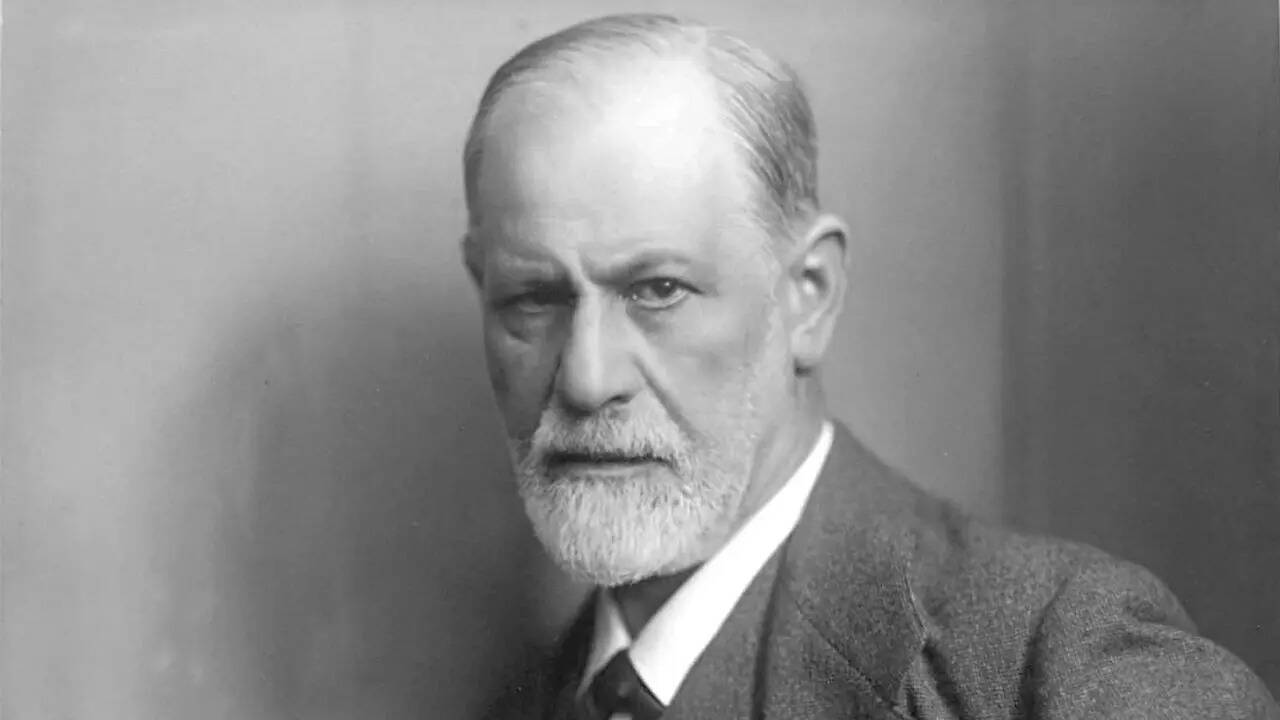
Quote of the day by Sigmund Freud: “People do not really want freedom, because freedom involves responsibility and most people are frightened of responsibility.”
Summarized and contextualized by DistantNews.
TLDR
- Sigmund Freud's quote suggests people avoid freedom due to the responsibility it entails.
- The quote highlights that the burden of accountability can make freedom unappealing.
- This perspective aligns with Freud's broader psychological theories on subconscious fears and internal conflicts.
Sigmund Freud, the renowned psychoanalyst, offers a provocative perspective on the concept of freedom, suggesting that its allure is often overshadowed by the inherent responsibility it demands. In his quote, "People do not really want freedom, because freedom involves responsibility and most people are frightened of responsibility," Freud posits that the very essence of liberty—the ability to make choices—is intrinsically linked to accountability for the outcomes of those choices. This can create a psychological barrier, making individuals hesitant to embrace true freedom.
From a Freudian standpoint, this quote resonates with his exploration of the human psyche, particularly the influence of subconscious fears and internal conflicts on behavior. Freud believed that individuals are not always driven by rational thought; instead, deeper emotional and psychological factors often dictate their actions. The fear of making the wrong decision, the potential for failure, or the anxiety of being judged can lead people to shy away from the autonomy that freedom offers. This can manifest as a preference for situations where decisions are made for them or where responsibility is diffused.
The inherent connection between freedom and responsibility is central to Freud's observation. When individuals are free to act, they must also be prepared to accept both the triumphs and the failures that result from their actions. This acceptance can be a heavy burden, especially in personal or professional life where uncertainty is a constant companion. The quote implies that the discomfort associated with this accountability is a significant deterrent for many, leading them to seek the perceived safety of less freedom.
This perspective challenges the common notion that freedom is universally desired. Freud's insight suggests that the psychological weight of responsibility—the need for careful consideration, planning, and ultimate accountability—can be so daunting that it outweighs the perceived benefits of freedom for a significant portion of the population. It underscores the complex interplay between our desires and our fears, and how deeply ingrained psychological mechanisms shape our approach to fundamental concepts like liberty.
People do not really want freedom, because freedom involves responsibility and most people are frightened of responsibility.
DistantNews Editorial
Originally published by Times of India. Summarized and contextualized by our editorial team with added local perspective. Read our editorial standards.
More Stories



From Our Blog

What Press Freedom Means for the News You Read

What Gets Lost (and Found) When News Is Translated

The Critical Role of Diaspora Media in Global News

What Travellers Should Know About Countries with Restricted Press

A Digital Nomad's Guide to Following Local News
