


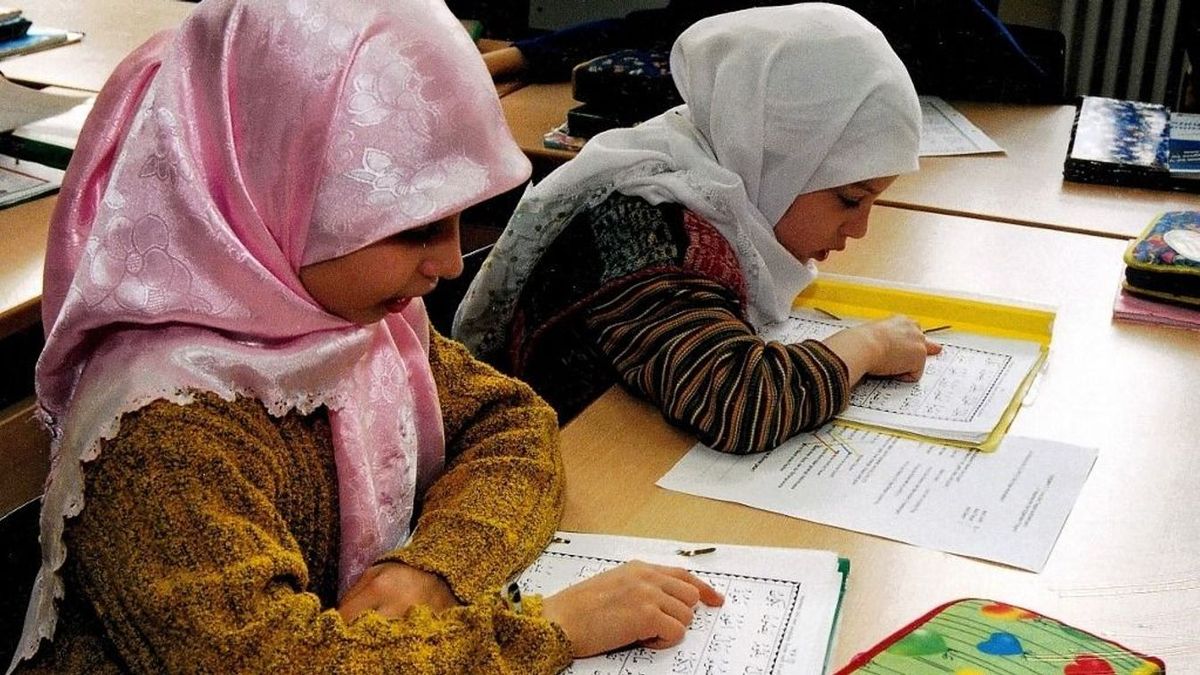
Radicalization in German Schools? Experts Issue Warnings
Translated from Hungarian, summarized and contextualized by DistantNews.
TLDR
- Experts warn of increasing radicalization in German schools, particularly in areas with a high proportion of students from migrant backgrounds.
- Reports indicate a rise in religiously motivated bullying, with students facing exclusion or intimidation for not adhering to strict religious norms.
- A civil organization criticizes German leadership for not openly addressing the issue, hindering effective action amidst significant demographic shifts.
The situation in German schools, as highlighted by Magyar Nemzet, points to a growing concern regarding radicalization and religiously motivated harassment. Reports suggest that in schools with a high concentration of students from migrant backgrounds, a climate of intolerance is emerging, where those who do not conform to strict religious interpretations face ostracism and intimidation. This phenomenon is not limited to non-Muslim students; even Muslim youth who do not align with radical viewpoints are targeted as 'infidels' by extremists.
This issue raises critical questions about integration, religious freedom, and the role of education in a diverse society. The civil organization cited in the report rightly criticizes the perceived lack of open dialogue and decisive action from German political leadership. Such a societal debate is crucial for developing effective strategies to counter extremism and foster mutual respect among students from various backgrounds.
The demographic shifts in Germany, with projections indicating a significant increase in students with migrant backgrounds, underscore the urgency of this matter. The recent lifting of headscarf restrictions for teachers in Berlin, while intended to promote religious freedom, has inadvertently fueled further debate about the intersection of religion and public education. From our perspective, addressing these challenges requires a nuanced approach that balances religious accommodation with the need to maintain a secular educational environment free from coercion and discrimination. The German media's focus on this issue reflects a deep societal concern about the future of its educational system and the integration of its growing diverse population.
DistantNews Editorial
Originally published by Magyar Nemzet in Hungarian. Translated, summarized, and contextualized by our editorial team with added local perspective. Read our editorial standards.
More Stories


From Our Blog

Countries Without a Free Press: What You Need to Know

What Press Freedom Means for the News You Read

What Gets Lost (and Found) When News Is Translated

The Critical Role of Diaspora Media in Global News

What Travellers Should Know About Countries with Restricted Press
