

Rarámuri Mothers in Juárez: Fighting for Dreams and Cultural Survival
Translated from Spanish, summarized and contextualized by DistantNews.
TLDR
- Rarámuri mothers in Ciudad Juárez face discrimination and cultural challenges while seeking better lives.
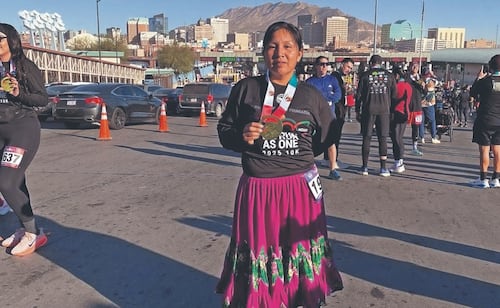
- Verónica Palma Cruz, a 37-year-old Rarámuri woman, moved to the city at 14 for work and now instills her culture and language in her children.
- Despite facing discrimination due to their traditional clothing, skin color, and language, Verónica strives to preserve her Rarámuri heritage for her sons.
In Ciudad Juárez, the resilience of Rarámuri mothers striving for a better future is a powerful narrative of cultural preservation amidst adversity. Verónica Palma Cruz's story, as told to EL UNIVERSAL, exemplifies the deep-rooted challenges faced by indigenous communities who migrate to urban centers. Leaving behind their ancestral lands in the Sierra de Chihuahua, these women not only seek economic stability but also fight against discrimination and strive to maintain their cultural identity, particularly for their children.
Allá donde yo vivía no había trabajo, estábamos pasando momentos muy duros, días donde no había para comer ahí con mis abuelos y por eso llegué a la ciudad
Verónica's journey from her native Papajichi to Juárez at the age of 14 highlights the economic hardships that drive migration. Her experience of working as a domestic helper and later in a maquiladora, while simultaneously pursuing education, showcases a determination to build a new life. The community's housing in the Colonia Tarahumara, tied to adherence to Rarámuri customs, offers a unique form of support, but the struggle against prejudice remains a daily reality.
Conseguí un trabajo en una casa de limpieza, pero ya después estudié en la escuela secundaria abierta y también terminé la preparatoria y fue que fui brincado poco a poco y después de trabajar muchos años de limpieza como empleada doméstica me fui a una maquiladora a trabajar también
The article underscores the profound impact of discrimination, often stemming from the visible markers of indigenous identity such as traditional attire and language. Verónica's commitment to speaking the Rarámuri language with her sons and her own continued use of traditional dress, even when facing workplace restrictions, speaks volumes about her dedication to her heritage. This is a story that resonates deeply within Mexico, reminding us of the ongoing importance of recognizing and respecting indigenous cultures in our diverse society. While international coverage might focus on the economic migration aspect, for us in Mexico, the fight for cultural survival and dignity is equally, if not more, significant.
Al principio sí era muy difícil, yo sufrí mucha discriminación cuando llegué aquí, nos veían diferente. De igual manera en la maquila no te permiten llevar el traje completo por seguridad, entonces dejé de usar mi vestimenta, pero cuando no estaba en mi horario de trabajo lo conservaba. Yo he conservado mi vestimenta y hasta hacerlo yo misma
DistantNews Editorial
Originally published by El Universal in Spanish. Translated, summarized, and contextualized by our editorial team with added local perspective. Read our editorial standards.
More Stories


From Our Blog

What Press Freedom Means for the News You Read

What Gets Lost (and Found) When News Is Translated

The Critical Role of Diaspora Media in Global News

What Travellers Should Know About Countries with Restricted Press

A Digital Nomad's Guide to Following Local News
