


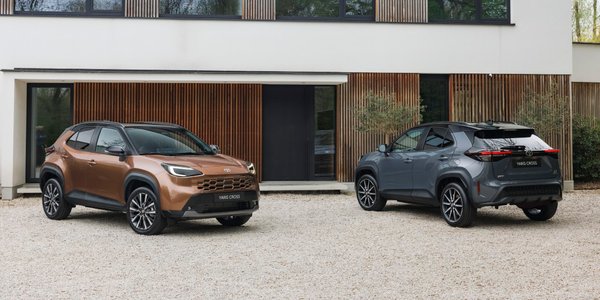
Refreshed Toyota Yaris Cross Heals Complexes Related to Chinese Brands
Translated from Polish, summarized and contextualized by DistantNews.
TLDR
- Toyota has refreshed the Yaris Cross with a redesigned front end, featuring a prominent grille inspired by Chinese automotive design trends.
- The updated model aims to maintain its sales leadership in the B-SUV segment while responding to the bold styling of emerging Chinese brands.
- Interior enhancements include new materials, improved quality, and updated technology like a 12.3-inch digital cluster and a 10.5-inch multimedia screen.
Rzeczpospolita notes Toyota's strategic refresh of the Yaris Cross, a move that not only enhances the popular model but also directly addresses the growing challenge posed by Chinese automakers. The redesigned front fascia, with its assertive grille, subtly echoes the design language increasingly seen from brands originating in China, a clear acknowledgment of their impact on the market.
The most striking change is the new front end with a clearly defined grille, which looks as if the designers glanced with one eye at the styling from the Middle Kingdom.
Since its 2021 debut, the Yaris Cross has been a cornerstone of Toyota's European sales. This facelift isn't a desperate measure to revive flagging sales but a proactive strategy to solidify its position in the highly competitive B-SUV segment. Toyota understands that standing still means falling behind, especially when rivals are capturing attention with daring aesthetics.
The refreshed Toyota Yaris Cross is trying not only to maintain its leading position in sales charts but also to respond to the increasingly bold moves of Chinese brands.
Beyond the exterior, the interior receives thoughtful upgrades. New materials and finishes, including the sustainable SakuraTouch upholstery, elevate the cabin's perceived quality. The technology suite is also modernized, offering a digital instrument cluster and a larger central display with seamless smartphone integration. For Polish consumers, this update signifies Toyota's commitment to evolving its offerings, balancing familiar reliability with contemporary design and technology, and importantly, responding to a shifting competitive landscape where design is increasingly a key differentiator.
The segment B-SUV is becoming increasingly crowded, so Toyota prefers to improve what is already working rather than react with a delay.
DistantNews Editorial
Originally published by Rzeczpospolita in Polish. Translated, summarized, and contextualized by our editorial team with added local perspective. Read our editorial standards.
More Stories


From Our Blog

What Gets Lost (and Found) When News Is Translated

The Critical Role of Diaspora Media in Global News

What Travellers Should Know About Countries with Restricted Press

A Digital Nomad's Guide to Following Local News

How the Same Story Looks Different in Different Countries
