


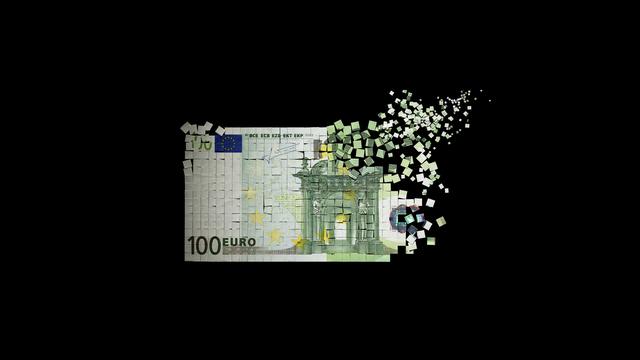
Relief Bonus: The End of a Political Panic Attack
Translated from German, summarized and contextualized by DistantNews.
TLDR
- The German Bundesrat refused to approve a planned tax-free relief bonus of up to 1,000 euros.
- This decision comes as a surprise amid ongoing political crises and discussions about government stability.
- The relief bonus was intended to help citizens cope with high energy and fuel prices, alongside the previously introduced fuel discount.
The German Bundesrat's rejection of the proposed 1,000 euro relief bonus represents a significant setback for the government's efforts to cushion citizens against soaring energy and fuel costs. This decision, coming as a surprise amidst a backdrop of political turmoil including coalition crises and speculation about leadership changes, highlights the deep divisions and challenges facing the current administration.
While the government has framed this bonus as a crucial measure to alleviate financial burdens, the Bundesrat's refusal suggests a lack of consensus on its necessity or implementation. This move, coupled with the earlier 'fuel discount,' was meant to be a two-pronged approach to tackling the cost-of-living crisis. Its failure leaves a notable gap in the government's support package.
From our perspective at Die Zeit, this situation is more than just a policy disagreement; it reflects a broader political paralysis. The focus on internal party struggles and potential government reshuffles seems to have overshadowed the urgent need for decisive action on economic relief. The rejection of this bonus, therefore, can be seen as the end of a political panic attack, a moment where the urgency of the situation finally forced a decision, albeit a negative one, that allows the political machinery to move on to other pressing matters, even if the relief for citizens is stalled.
DistantNews Editorial
Originally published by Die Zeit in German. Translated, summarized, and contextualized by our editorial team with added local perspective. Read our editorial standards.
More Stories


From Our Blog

What Gets Lost (and Found) When News Is Translated

How the Same Story Looks Different in Different Countries

The Critical Role of Diaspora Media in Global News

What Travellers Should Know About Countries with Restricted Press

A Digital Nomad's Guide to Following Local News
