


Review Syariah Officer job structure, career paths, and promotion mechanisms, urges association
Translated from Malay, summarized and contextualized by DistantNews.
At a glance
News
Named sources
Context piece
- The Malaysian Syariah Officers Association (PPSM) is calling for a comprehensive review of the Syariah Officer service scheme, including job structure, career paths, and promotion mechanisms.
- PPSM highlights that some Syariah Officers remain in the same grade for up to fifteen years, far exceeding the recommended eight-year period, impacting their career progression and welfare.
- The association also urges for equitable consideration of Syariah Court judges' welfare, similar to recent improvements announced for Civil Court judges, to strengthen the syariah judiciary.
The Malaysian Syariah Officers Association (PPSM) is urging the government to prioritize a review of the Syariah Officer service scheme, focusing on job structure, career paths, and promotion mechanisms. The association believes this is crucial for accelerating the career advancement of civil servants in this field.
One attention should also be given to the implementation of redeployment or trade-off policies in the creation of promotion positions.
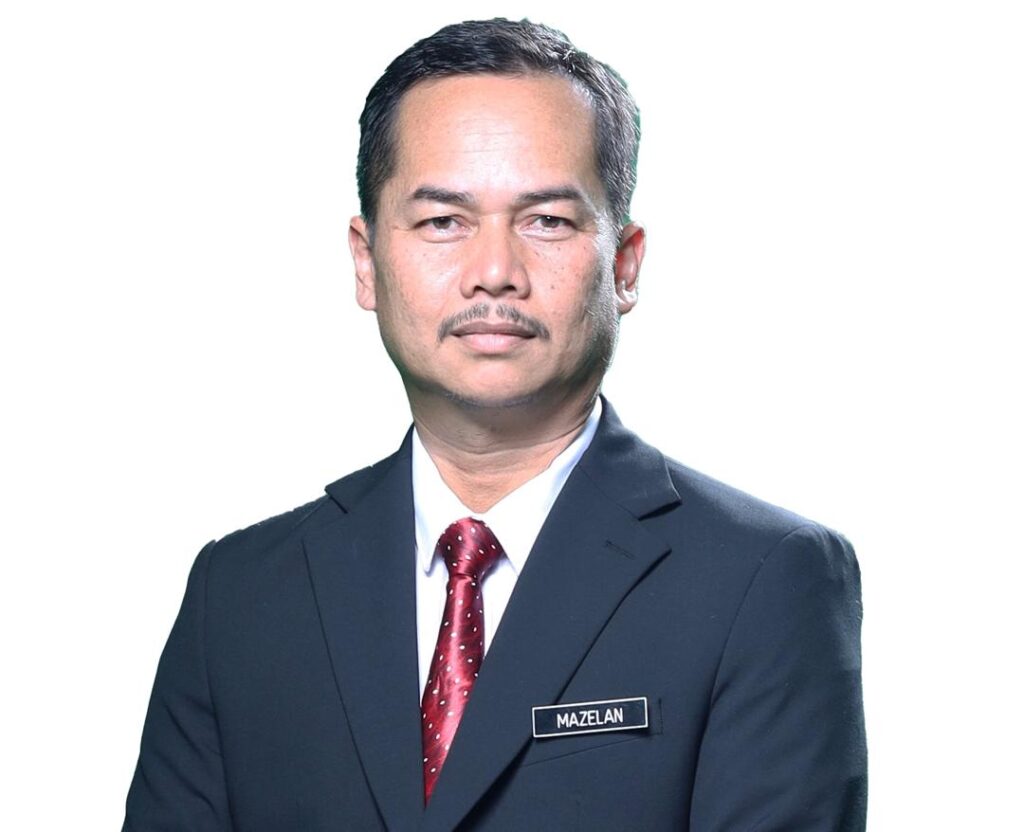
Raja Mazelan Raja Deraman, the PPSM president, stated that a thorough examination is necessary to ensure fair and reasonable career progression opportunities that align with the significant responsibilities Syariah Officers bear in upholding justice and the rule of syariah law. He also pointed to the need for attention regarding redeployment or trade-off policies in creating promotion positions. While these approaches aim to optimize existing resources without increasing staff numbers or financial implications, their current implementation is hindering organizational restructuring and the rollout of approved job modules.
This situation indirectly limits the intended benefits through the approval of job modules, thus slowing down the implementation of planned career advancement paths.
This situation, Raja Mazelan explained, indirectly limits the intended benefits of approved job modules and slows down planned career advancement initiatives. PPSM expresses concern that these constraints are affecting the career development of Syariah Officers. He noted that some officers remain in the same grade for up to fifteen years, significantly longer than the eight-year period mentioned to the Prime Minister. This stagnation not only reflects delayed career progress but also raises issues of welfare and recognition for these professionals who are vital to the nation's syariah judiciary and legal administration.
There are Syariah Officers who remain in the same grade for up to fifteen years without the opportunity for promotion to a higher grade, which is far beyond the eight-year period informed to the Prime Minister.
The stagnation creates a career plateau inconsistent with public sector talent management principles and could undermine government efforts to attract, develop, and retain quality officers within the Syariah Officer service. Additionally, PPSM advocates for a comprehensive enhancement of welfare for the judicial sector, suggesting that the recent income increase for Civil Court judges should be balanced with reasonable consideration for the welfare of Syariah Court judges. This, they argue, aligns with the "Madani Government" aspiration to strengthen the syariah judiciary as a key component of the national legal system, believing that appropriate recognition will bolster the integrity, professionalism, and authority of syariah judicial institutions.
This reality not only reflects delayed career development but is also an issue of welfare and recognition for the contribution of professionals who are the backbone of the nation's syariah judicial and legal administration.
DistantNews Editorial
Originally published by Utusan Malaysia in Malay. Translated, summarized, and contextualized by our editorial team with added local perspective. Read our editorial standards.
More Stories

From Our Blog

What Gets Lost (and Found) When News Is Translated

The Critical Role of Diaspora Media in Global News

What Travellers Should Know About Countries with Restricted Press

A Digital Nomad's Guide to Following Local News

How the Same Story Looks Different in Different Countries
