

Rhine low water levels have 'dramatic' impact on German economy, economist warns
Translated from German, summarized and contextualized by DistantNews.
At a glance
News
Named sources
Context piece
- Low water levels on the Rhine River are having a "dramatic" impact on the German economy, according to an economist.
- Many companies rely on the Rhine for transporting goods and raw materials, with some dependent on it for up to 40% of their products.
- The situation highlights Germany's lack of resilience in crisis situations and the long-term neglect of its waterways.
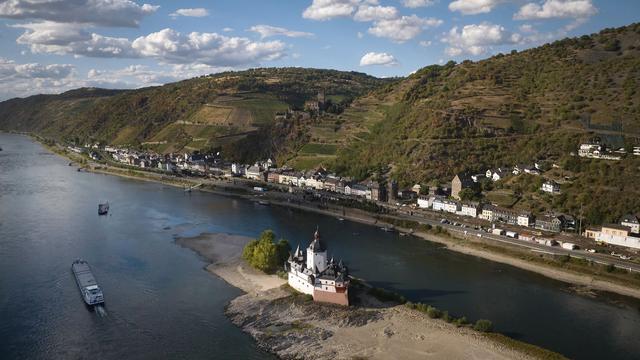
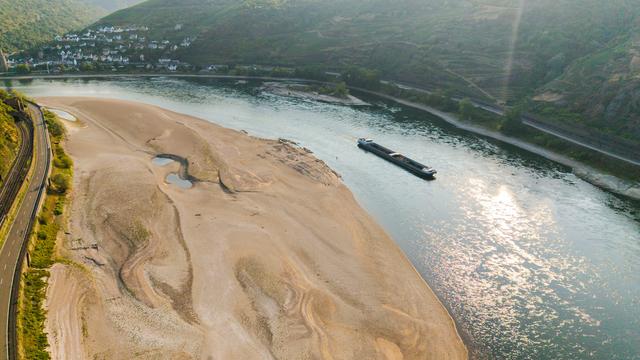
The German economy is facing "dramatic" consequences due to critically low water levels on the Rhine River, warns Simon Gerards Iglesias, an economist at the Institute of the German Economy (IW). Many businesses located in states along the Rhine depend heavily on the river for their supply chains. Iglesias stated that for a company like BASF, the Rhine's functionality as a waterway is vital, as it handles up to 40% of its products. The current low water levels expose a vulnerability, demonstrating that Germany is not as resilient as it could be in crisis situations, particularly in its ability to quickly switch to alternative transport methods. Iglesias pointed to decades of neglect of Germany's waterways, a problem he believes is even more pronounced than for roads and railways. While short-term measures like removing obstacles to improve navigability are possible, a comprehensive "corridor renovation" of the Rhine is needed for a lasting solution. However, he noted that lengthy approval and testing procedures hinder modernization efforts for waterways, just as they do for other transport infrastructure. The economic expert predicts that the effects of the low water levels will soon be felt at the gas pump, recalling similar price increases in 2018. Reduced oil deliveries to refineries along the Rhine necessitate costly alternative transport or even production slowdowns, driving up prices. Industry, port, and inland navigation representatives are scheduled to meet with the new Federal Minister for Transport, Steffen Bilger, in Bonn to discuss the handling of the extreme low water levels.
For a company like BASF, it is vital that the Rhine functions as a waterway when it ships up to 40 percent of its products via this route.
DistantNews Editorial
Originally published by Die Zeit in German. Translated, summarized, and contextualized by our editorial team with added local perspective. Read our editorial standards.
More Stories


From Our Blog

What Gets Lost (and Found) When News Is Translated

How the Same Story Looks Different in Different Countries

The Critical Role of Diaspora Media in Global News

What Travellers Should Know About Countries with Restricted Press

A Digital Nomad's Guide to Following Local News
