


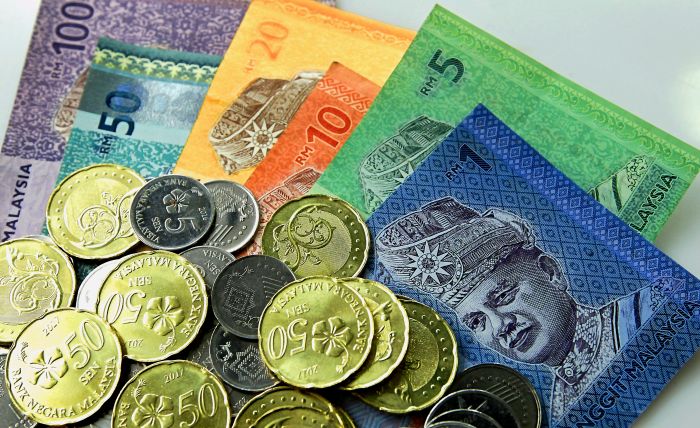
Ringgit Expected to Trade at RM4.00 to RM4.15 Against US Dollar in H2 2026
Translated from Malay, summarized and contextualized by DistantNews.
At a glance
News
Named sources
Context piece
- The Malaysian Ringgit is expected to trade between RM4.00 and RM4.15 against the US dollar in the second half of 2026.
- This forecast is influenced by the strengthening US dollar, driven by potential Federal Reserve interest rate hikes and risk aversion.
- Economic growth in Malaysia is projected at 4.5%, supported by domestic spending and exports, particularly in the electrical and electronics sector related to AI.
The Malaysian Ringgit is forecast to hover between RM4.00 and RM4.15 against the US dollar in the latter half of 2026. This projection reflects the anticipated strengthening of the US dollar, fueled by expectations of interest rate increases by the Federal Reserve and a general sentiment of risk aversion in global markets. The moderate growth forecast for Malaysia's Gross Domestic Product (GDP) at around 4.5% remains positive, underpinned by robust domestic spending and sustained demand for electrical and electronics (E&E) exports, especially those linked to artificial intelligence (AI) infrastructure.
Dr. Aimi Zulhazmi Abdul Rashid, an Economic Analyst at UniKL Business School, noted that previous forecasts of RM3.85 to RM3.92 are no longer relevant given the current economic climate. He anticipates a more challenging, yet positive, economic outlook for the second half of the year. The growth momentum is expected to moderate due to inventory normalization and weakening global demand. The Ringgit's expected range against the US dollar is attributed to the dollar's strengthening, a shift from earlier predictions.
Dr. Aimi emphasized that attracting quality investments and eliminating value-destroying practices are crucial for maintaining the nation's economic resilience. The E&E sector, particularly AI-related components, is poised to remain a key driver of Malaysia's exports and trade. Domestic demand is also expected to stay strong, supported by household spending, targeted government assistance, and the continued expansion of the services sector.
However, several challenges loom, including geopolitical tensions involving the US, Israel, and Iran, which are expected to dominate the global economic narrative in 2026, potentially replacing trade war issues. Weakening global demand, exacerbated by high energy costs in Europe and the UK, could also pressure export performance. Additionally, the risk of US tariffs on semiconductors persists, despite existing reciprocal trade agreements. Consequently, export growth in the second half of 2026 is projected to be between 0.8% and 2.0% year-on-year, a slower pace compared to the first half of the year.
DistantNews Editorial
Originally published by Utusan Malaysia in Malay. Translated, summarized, and contextualized by our editorial team with added local perspective. Read our editorial standards.
More Stories



From Our Blog

What Gets Lost (and Found) When News Is Translated

The Critical Role of Diaspora Media in Global News

What Travellers Should Know About Countries with Restricted Press

A Digital Nomad's Guide to Following Local News

How the Same Story Looks Different in Different Countries
