


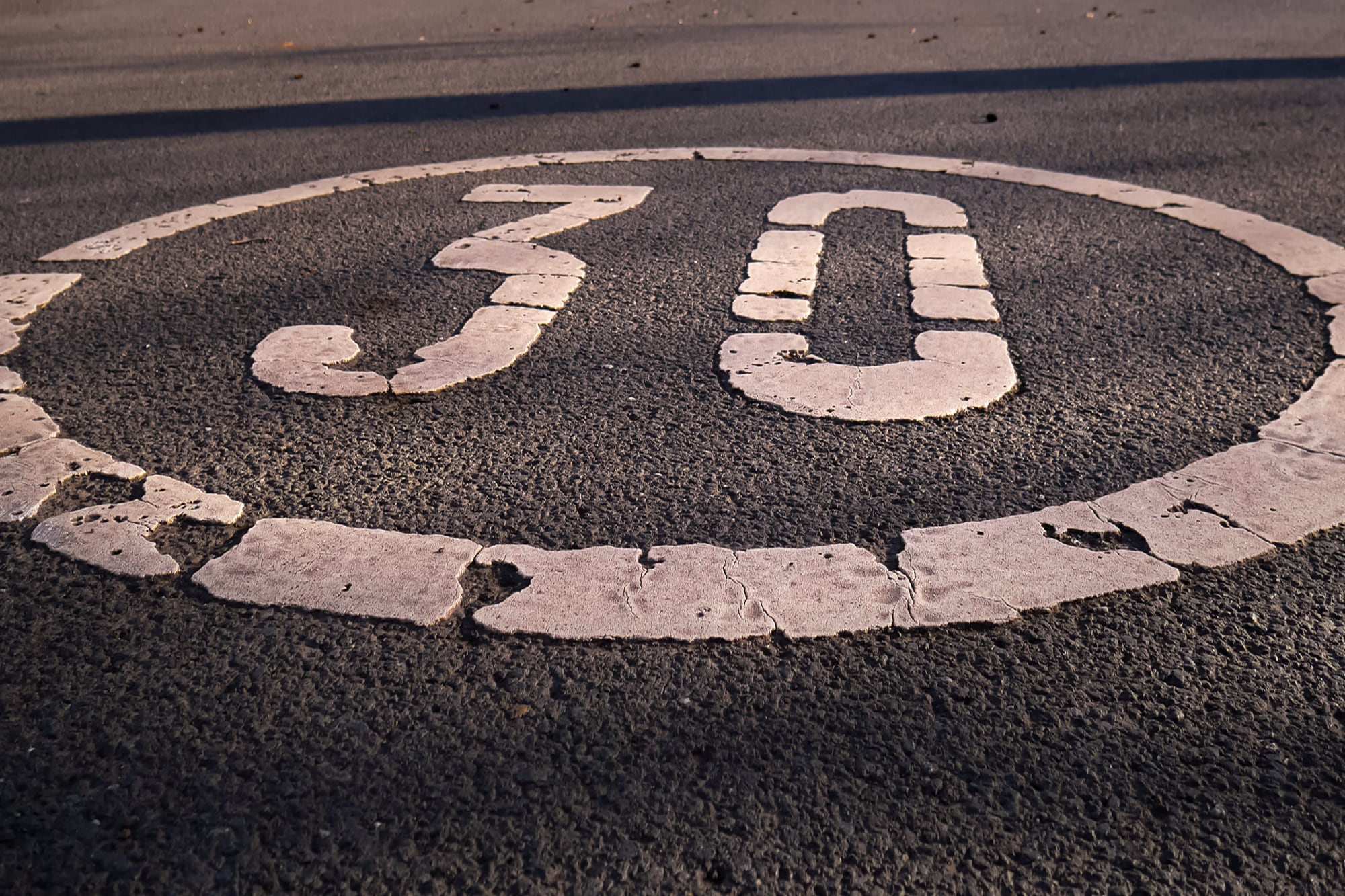
Road Signs You Might See Painted on the Asphalt: Why You Should Pay Attention
Translated from Spanish, summarized and contextualized by DistantNews.
TLDR
- Road signs are crucial for regulating traffic and ensuring safety on public roads.
- Signs are categorized by function (regulatory, warning, informational) and format, including vertical signs and markings painted on the asphalt.
- Horizontal road markings, such as directional arrows, stop signs, and speed limits, complement vertical signs and are vital for managing traffic flow and reinforcing safety instructions.
La Nación emphasizes the critical importance of understanding all forms of road signage for safe driving in Argentina. While vertical signs are commonly recognized, the article highlights the often-overlooked but equally vital horizontal markings painted directly onto the asphalt. These markings, including directional arrows, 'PARE' (STOP) signs, and speed limits, serve as essential complements to vertical signage, reinforcing instructions and guiding drivers through complex intersections and high-traffic areas. The piece also touches upon specialized markings like those for bus lanes and emergency vehicle access, underscoring their role in maintaining order and efficiency on urban roads. From an Argentine perspective, mastering these signals is not just about passing a driving test; it's about navigating the daily realities of our streets, which often feature dense traffic and unique urban planning challenges. The clarity and visibility of these asphalt markings are paramount for preventing accidents and ensuring smooth circulation, making them a fundamental aspect of road safety that every driver must internalize.
DistantNews Editorial
Originally published by La Nación in Spanish. Translated, summarized, and contextualized by our editorial team with added local perspective. Read our editorial standards.
More Stories



From Our Blog

What Gets Lost (and Found) When News Is Translated

The Critical Role of Diaspora Media in Global News

What Travellers Should Know About Countries with Restricted Press

A Digital Nomad's Guide to Following Local News

How the Same Story Looks Different in Different Countries
