


Roman-era cult site with possible Mithras worship found in Tyrol
Translated from German, summarized and contextualized by DistantNews.
At a glance
News
Sources not specified
Context piece
- Excavations in Tyrol, Austria, uncovered evidence of a Roman-era religious cult center in a prehistoric copper mine.
- The site, located below Kropfsberg Castle, shows evidence of ritual use for over two centuries, indicated by coin and oil lamp fragments.
- Analysis of animal bones suggests the site may have been a Mithraeum, a place of worship for the god Mithras, with a high proportion of male chicken and pig remains.
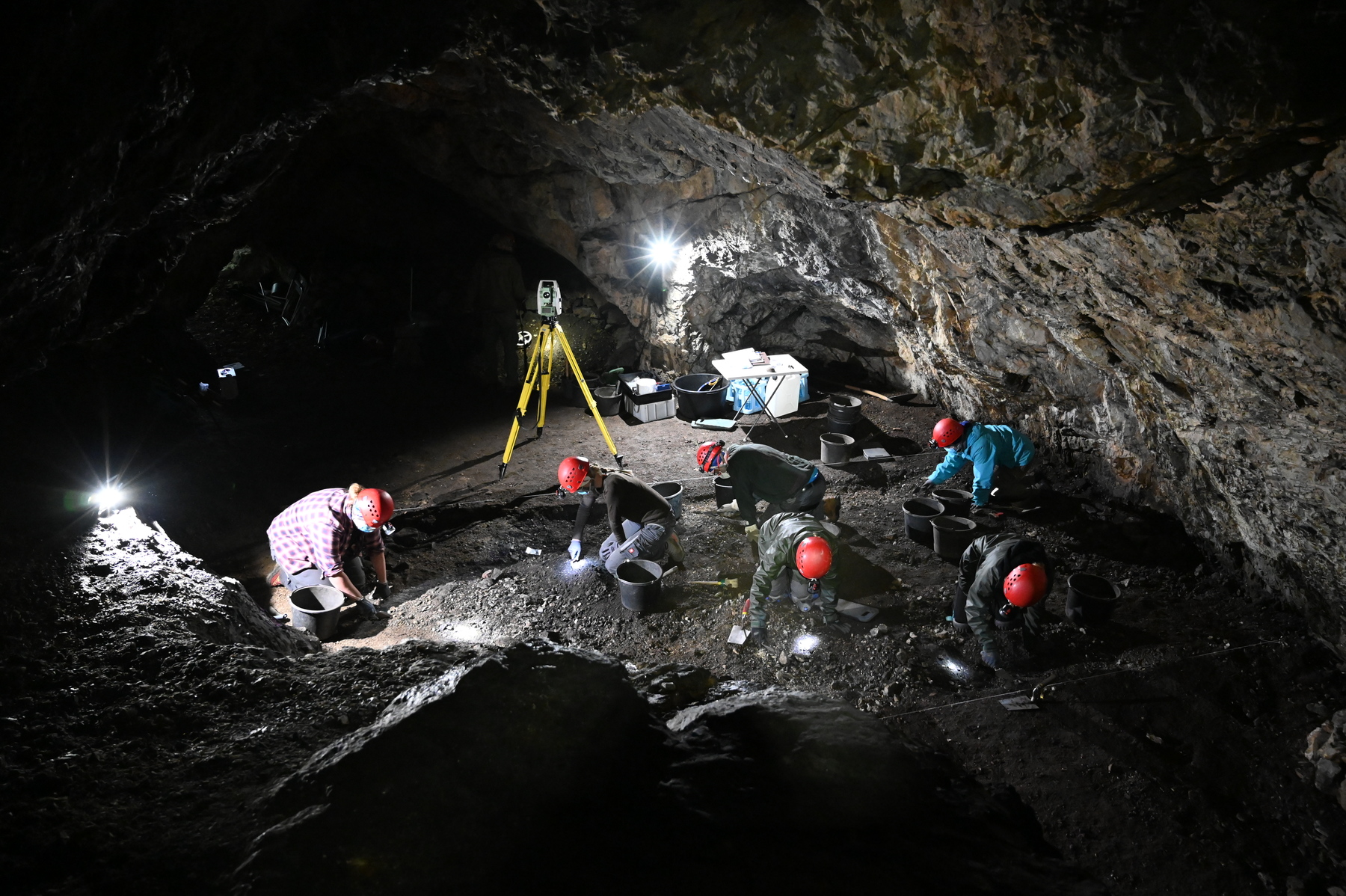
Archaeological excavations near Kropfsberg Castle in Tyrol, Austria, have unearthed a significant religious cult center dating back to the Roman era. Located on a hill overlooking the entrance to the Zillertal valley, the site's human activity traces back much further than the castle's 12th-century origins, with evidence of prehistoric copper mining.
Beneath the castle, in a man-made cave within an ancient mine, researchers from the University of Innsbruck and the HIMAT research center discovered artifacts suggesting ritualistic use for over two centuries. Coin findings place the site's activity from the mid-2nd century, during the reigns of Antoninus Pius and Marcus Aurelius, extending into the late 4th century under Emperor Valens. Fragments of ancient oil lamps were also recovered.
While definitive proof like an inscription or cult image is absent, the archaeological and archaeozoological evidence strongly suggests the site was a Mithraeum, a place dedicated to the worship of the sun god Mithras. This mystery cult was popular during the Roman Empire, with worship typically occurring in small, hidden spaces like cellars, grottos, or caves, and involving initiation rites and ritual meals.
Further analysis of animal bones by archaeozoologist Konstantina Saliari revealed striking patterns. Unlike typical settlement finds where chicken bones constitute a small percentage, they made up nearly 40% of the Kropfsberg remains, exclusively from male birds. Pig bones accounted for almost half of the identifiable remains, with the rest primarily from goats and sheep, and a few cattle bones.
DistantNews Editorial
Originally published by Die Presse in German. Translated, summarized, and contextualized by our editorial team with added local perspective. Read our editorial standards.
More Stories



From Our Blog

What Gets Lost (and Found) When News Is Translated

The Critical Role of Diaspora Media in Global News

What Travellers Should Know About Countries with Restricted Press

A Digital Nomad's Guide to Following Local News

How the Same Story Looks Different in Different Countries
