


Romania faces energy strain as nuclear plant shuts due to low Danube levels
Translated from Romanian, summarized and contextualized by DistantNews.
At a glance
News
Named sources
Context piece
- Romania's energy system faces challenges due to the controlled shutdown of both units at the Cernavodă Nuclear Power Plant because of low Danube river levels.
- The plant's reactors, normally providing 20% of Romania's energy, are offline, increasing reliance on imports, especially during evening peak hours.
- Experts warn that while the shutdown itself isn't unexpected, Romania needs greater energy sector investment and predictable regulations to attract private investors.
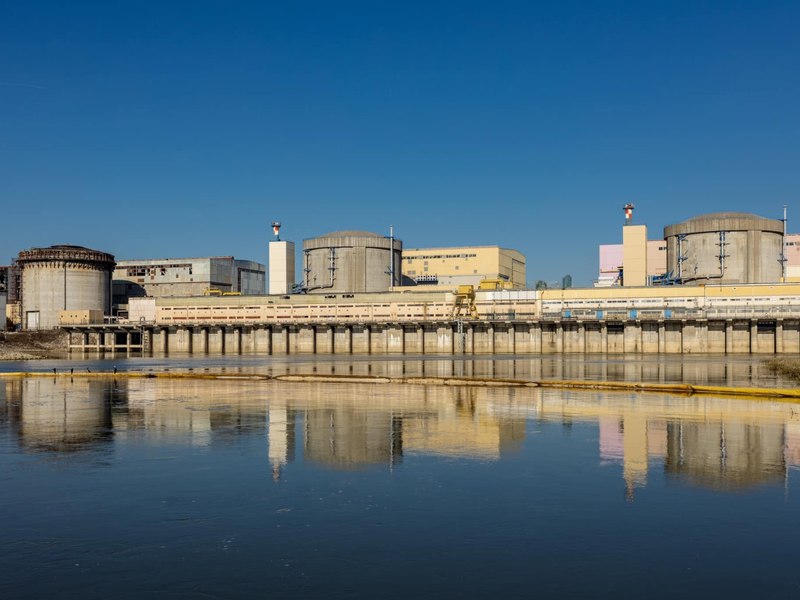
Romania's energy security is being tested as both units of the Cernavodă Nuclear Power Plant have been shut down due to critically low water levels in the Danube River. Unit 1 was taken offline on July 28, followed by Unit 2 on August 13. Together, these reactors normally supply approximately 20% of the country's electricity.
Dana Dărăban, director of the Federation of Energy Utility Companies Associations (ACUE), stated that the shutdown is not an unexpected situation for the energy system, especially given recent drought periods. However, she cautioned that the situation could become critical if not managed correctly. The Ministry of Energy forecasts a peak consumption of around 6,900 MW for Thursday, with import needs potentially reaching 2,300 MW, highlighting the strain on the system, particularly in the evenings when solar production drops and demand remains high.
Dărăban emphasized that Romania requires increased investment in its energy sector. She pointed to the repeated changes in regulations and price caps as factors deterring private investors. The lack of predictability in the energy market, she explained, makes investors hesitant, particularly in a sector requiring substantial capital and long recovery periods for projects.
Furthermore, Romania lacks sufficient smart meters to effectively shift energy consumption away from peak hours and implement widespread differentiated tariffs based on usage time. This technological gap exacerbates the challenge of managing demand, especially during critical periods when domestic production is reduced. Dărăban stressed that political actors have yet to fully grasp the necessity of regulatory stability for fostering the investment needed in the energy sector.
Da, cred că un mesaj pe care încă, să spunem așa, spectrul politic nu l-a înțeles este această nevoie de predictibilitate, adică schimbarea regulilor și intervențiilor asupra modului în care se formează prețul în sectorul energiei electrice din ultimii ani.
DistantNews Editorial
Originally published by Adevărul in Romanian. Translated, summarized, and contextualized by our editorial team with added local perspective. Read our editorial standards.
More Stories
From Our Blog

What Gets Lost (and Found) When News Is Translated

The Critical Role of Diaspora Media in Global News

What Travellers Should Know About Countries with Restricted Press

A Digital Nomad's Guide to Following Local News

How the Same Story Looks Different in Different Countries
