


Romania's No-Confidence Motions: A History of Political Battles Since the 1990s
Translated from Romanian, summarized and contextualized by DistantNews.
TLDR
- Romania has experienced 51 no-confidence motions since 1993, with only six successfully ousting governments.
- The first successful motion in post-communist history targeted Emil Boc's government in October 2009.
- Subsequent successful motions led to the removal of Prime Ministers Mihai Răzvan Ungureanu, Sorin Grindeanu, Viorica Dăncilă, Ludovic Orban (initially), and Florin Cîțu.
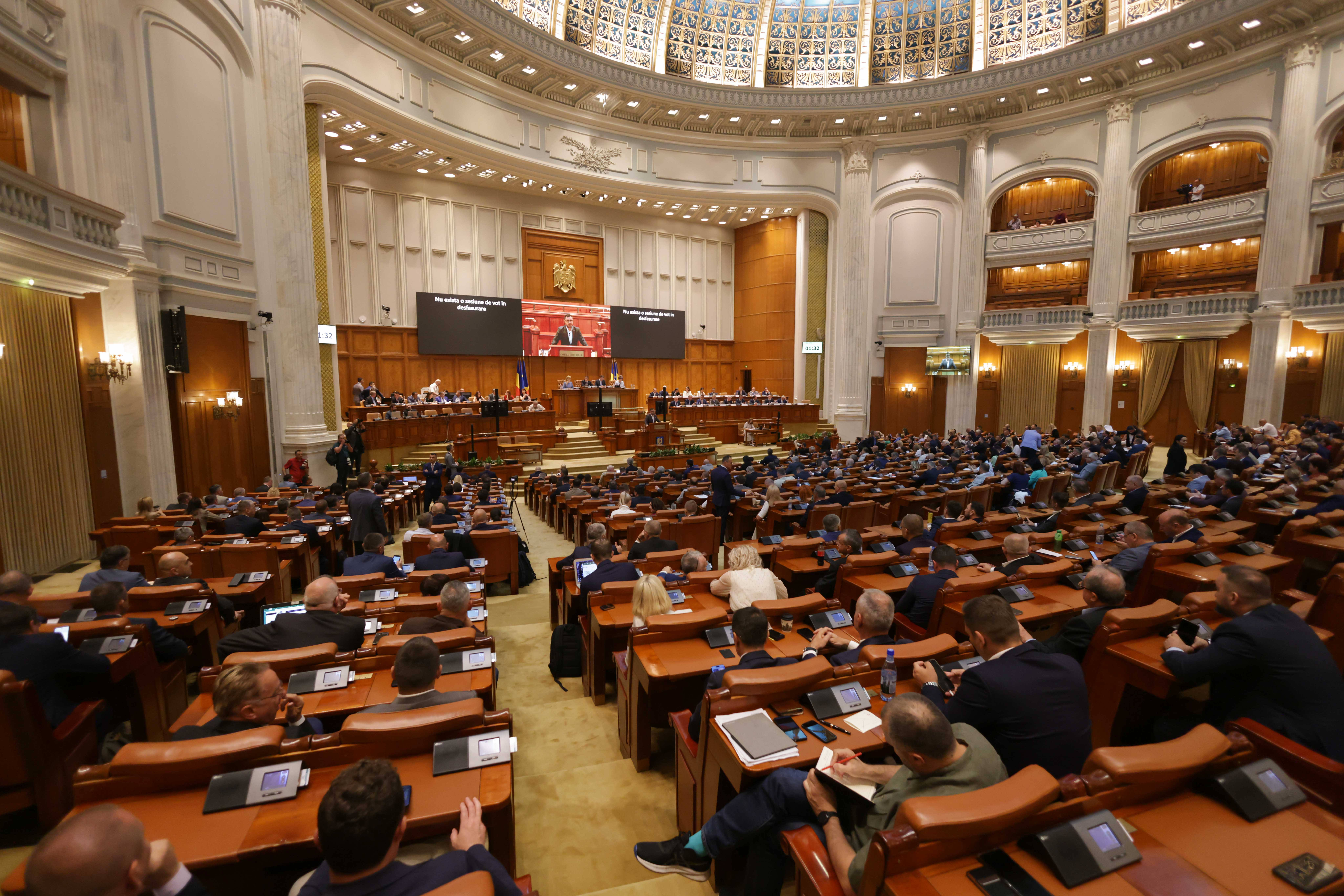
Romania's political landscape has been marked by a significant number of no-confidence motions since the fall of communism, with Adevărul detailing the tumultuous history of these parliamentary challenges. Since 1993, 51 such motions have been initiated, reflecting a persistent instability and a frequent use of this mechanism to contest government legitimacy. However, the success rate has been remarkably low, with only six motions managing to unseat sitting governments, underscoring the resilience of parliamentary majorities or the strategic maneuvering of political forces.
The article highlights the landmark ousting of Emil Boc's government in October 2009 as the first instance of a post-communist Romanian government being brought down by a no-confidence vote. This event set a precedent, paving the way for subsequent successful challenges against leaders like Mihai Răzvan Ungureanu, Sorin Grindeanu, Viorica Dăncilă, Ludovic Orban, and Florin Cîțu. The reasons behind these motions are varied, often stemming from coalition disputes, public dissatisfaction, or political realignments, as seen with Sorin Grindeanu's dismissal initiated by his own party (PSD) following a loss of support from its leader, Liviu Dragnea.
From a Romanian perspective, the frequent use of no-confidence motions can be seen as both a sign of a functioning, albeit volatile, democracy and a symptom of deep-seated political fragmentation and instability. While Western media might focus on the dramatic political theater, for Romanians, these events are often tied to broader concerns about governance effectiveness, economic stability, and the delivery of public services. The sheer number of attempts, even if most fail, speaks to a political culture where challenging the executive is a common, almost routine, parliamentary practice, often used as a tool for political leverage or to signal public discontent.
DistantNews Editorial
Originally published by Adevărul in Romanian. Translated, summarized, and contextualized by our editorial team with added local perspective. Read our editorial standards.
More Stories



From Our Blog

What Gets Lost (and Found) When News Is Translated

The Critical Role of Diaspora Media in Global News

What Travellers Should Know About Countries with Restricted Press

A Digital Nomad's Guide to Following Local News

How the Same Story Looks Different in Different Countries
