

Romania's Political Crisis Deepens: Analysts Call All Government Scenarios 'Weak'
Translated from Romanian, summarized and contextualized by DistantNews.
TLDR
- Romania faces a deepening political crisis following the dismissal of the Ilie Bolojan government.
- Scenarios for forming a new executive remain unclear, with a minority PSD-UDMR government supported by a technocrat premier being discussed.
- Analysts deem all current government formation proposals fragile, dependent on shifting parliamentary alliances and potentially extremist support.
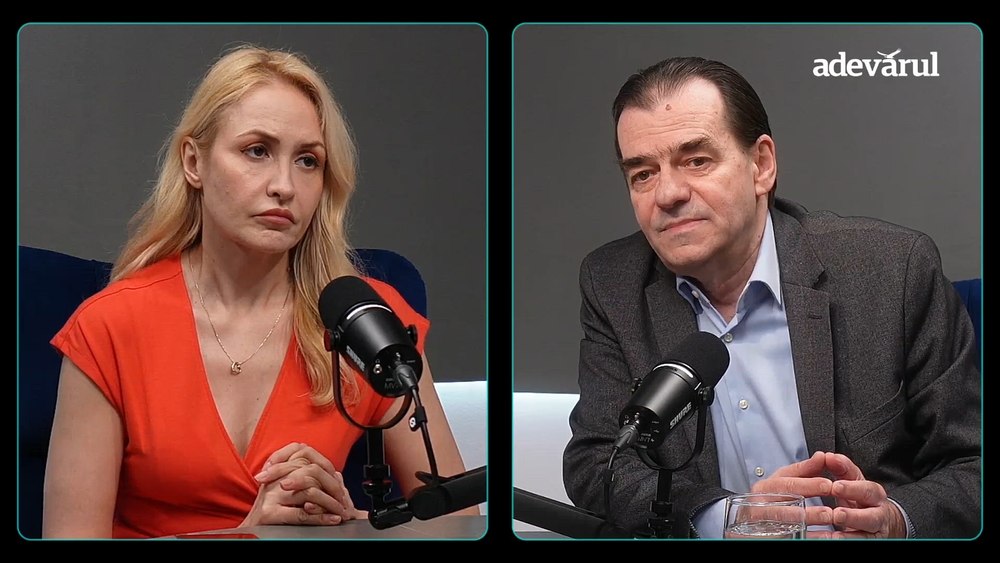
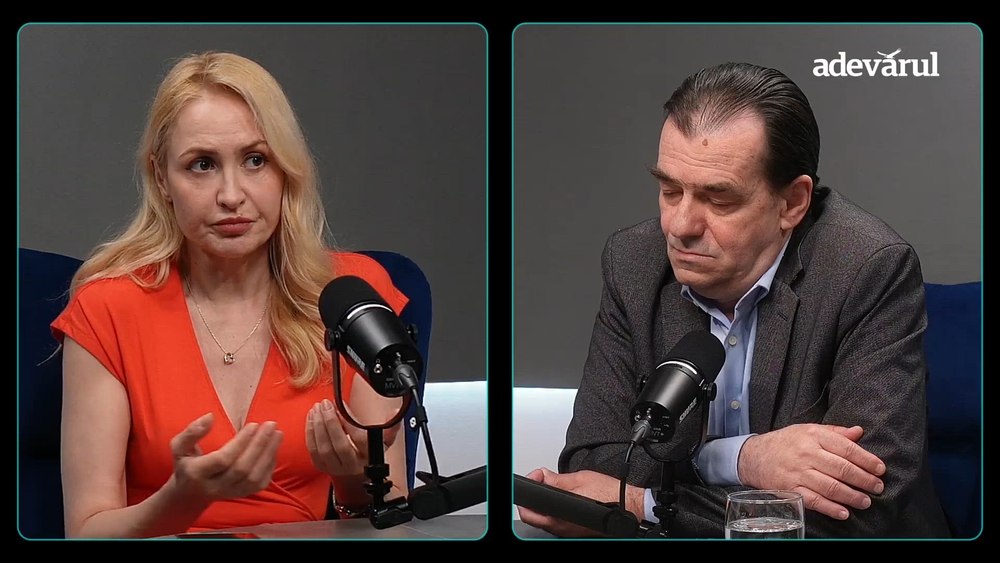
The political landscape in Bucharest is in turmoil following the government's dismissal, leaving the nation uncertain about its future leadership. While various scenarios are being floated, including a minority PSD-UDMR government led by a technocrat, analysts like Cristian Andrei express deep skepticism about the viability of any proposed solution. Andrei describes all current formulas as "fragile" and "forced," reliant on a precarious mix of party loyalists, independent lawmakers, and the tacit support of extremist factions like AUR and SOS. This reliance on shifting allegiances and potential "traitors" within parliament highlights the instability plaguing Romanian politics.
Formulele aflate pe masă sunt slabe
The UDMR, while interested in remaining in government, is wary of being beholden to AUR's votes, a sentiment that complicates any potential coalition. The proposed technocrat premier is an attempt to distance the president from the political maneuvering, but it does little to address the fundamental lack of stable parliamentary support. The situation underscores a broader challenge in Romanian governance: the difficulty of forming and sustaining cohesive, majority governments in a fragmented political environment.
Cred că cele două partide iau în calcul asta. Dar toate formulele aflate pe masă azi, puține la număr, sunt slabe, inclusiv aceasta, pentru că ar fi forțată, chinuită.
From a Romanian perspective, this constant political flux is a familiar, albeit frustrating, reality. Western media might focus on the immediate power struggles, but for us, it's about the underlying systemic issues that prevent stable governance. The dependence on "traseiști" (party switchers) and the constant negotiation with fringe parties reveal a system struggling to mature. The question isn't just who will be premier, but whether any proposed government can truly address the nation's needs when its very formation is a testament to political expediency rather than solid consensus.
Pe fond, ar fi o formulă PSD+UDMR+minorități și cu susținere de la facțiuni AUR, SOS, POT. Și vorbim de un număr consistent de traseiști - peste 50.
DistantNews Editorial
Originally published by Adevărul in Romanian. Translated, summarized, and contextualized by our editorial team with added local perspective. Read our editorial standards.
More Stories
From Our Blog

What Gets Lost (and Found) When News Is Translated

The Critical Role of Diaspora Media in Global News

What Travellers Should Know About Countries with Restricted Press

A Digital Nomad's Guide to Following Local News

How the Same Story Looks Different in Different Countries
