

Romanian Education Minister Proposes Extra Pay for Teachers Exceeding 40-Hour Work Week
Translated from Romanian, summarized and contextualized by DistantNews.
TLDR
- The Romanian Minister of Education proposes additional financial compensation for teachers working over 40 hours per week.
- This initiative aims to quantify and reward the extra workload, including tasks like grading simulation exams.
- The proposal requires a comprehensive analysis of teachers' duties, acknowledging work done both at school and from home.
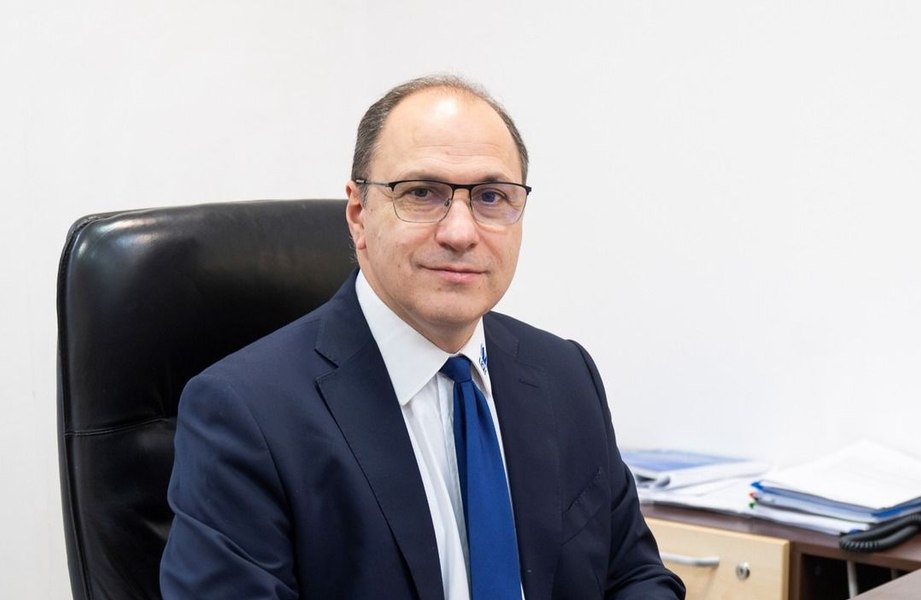
In a move that could significantly impact the teaching profession, Romania's Minister of Education, Mihai Dimian, has put forth a compelling proposal: to financially reward teachers who exceed the standard 40-hour work week. This initiative, stemming from a desire for a more accurate valuation of educators' labor, seeks to acknowledge the substantial, often unquantified, work they undertake beyond regular classroom hours.
Let's quantify these activities, and those who exceed 40 hours per week should be additionally rewarded.
The minister's approach is rooted in a detailed analysis of the teaching profession's full scope. By meticulously mapping out all teacher activities, both within school premises and from home, the ministry aims to establish a clear basis for compensation. This is particularly relevant for tasks such as grading national exam simulations, which currently go uncompensated despite demanding significant time and effort. Dimian's vision is to integrate these additional responsibilities into an expanded job description and secure the necessary funds to remunerate this extra work.
If you do evaluations for the simulation, maybe 30 evaluations can be included in this extended job description, but the rest I have nowhere to include. Therefore, I need to find funds to pay for these additional evaluations.
This proposal arrives at a crucial time for Romania's education system, which has seen recent protests from teachers demanding better working conditions and salaries. Minister Dimian's proactive stance, which includes engaging with trade unions, signals a potential shift towards a more equitable system. By recognizing the full extent of teachers' dedication, including work performed remotely and digitally, Romania could set a precedent for valuing its educators more appropriately, fostering a more motivated and sustainable teaching force.
Teachers can grade at home. With the digitalization of this simulation process, we send the papers for the teacher to evaluate wherever they are.
DistantNews Editorial
Originally published by Adevărul in Romanian. Translated, summarized, and contextualized by our editorial team with added local perspective. Read our editorial standards.
More Stories

From Our Blog

What Gets Lost (and Found) When News Is Translated

The Critical Role of Diaspora Media in Global News

What Travellers Should Know About Countries with Restricted Press

A Digital Nomad's Guide to Following Local News

How the Same Story Looks Different in Different Countries
