

Russia Extends Fuel Export Ban Amidst Growing Crisis
Translated from Polish, summarized and contextualized by DistantNews.
At a glance
News
Sources not specified
New plan
- Russia has extended its ban on gasoline exports until January 31, 2027, and will also restrict diesel fuel exports from September 1, 2026.
- The decision aims to address a domestic fuel crisis, with 80 regions reportedly facing shortages due to damaged refineries and Western sanctions.
- Despite government assurances, the situation remains difficult, with fuel primarily reaching major cities and quality standards lowered to Euro 2.
Russia has extended its ban on fuel exports, a move aimed at alleviating a domestic crisis that has left 80 regions struggling with shortages. The ban on gasoline exports will now last until January 31, 2027, while diesel fuel exports will be restricted starting September 1, 2026.
The temporary ban on fuel exports will be in effect from August 1, 2026, to January 31, 2027. However, from September 1, restrictions will not apply to diesel fuel, marine fuel, and other gas oils exported from Russia by their direct producers.
The Kremlin attributes the crisis to damaged refineries and Western sanctions, which have crippled the petrochemical sector. However, the situation appears to be worsening rather than improving. Available fuel is largely directed to Moscow and St. Petersburg, leaving other regions underserved. Reports indicate that 18 out of 26 damaged refineries are not operating at full capacity.
If gasoline export ban, we also made a decision at the meeting of the headquarters to extend it both for producers and other exporters. This means it will be extended until the end of the year.
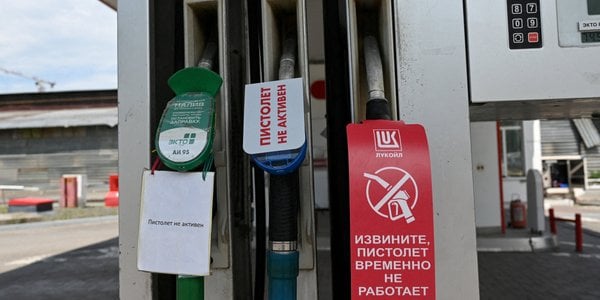
To cope, Russian authorities have lowered fuel quality standards to the Euro 2 norm. Despite assurances from officials like Duma Chairman Vyacheslav Volodin that the situation is improving, long queues at gas stations suggest otherwise. The extended export embargo signals the government's ongoing struggle to manage the domestic fuel supply.
The situation with fuel and lubricant supplies is changing before our eyes.
DistantNews Editorial
Originally published by Rzeczpospolita in Polish. Translated, summarized, and contextualized by our editorial team with added local perspective. Read our editorial standards.
More Stories


From Our Blog

What Gets Lost (and Found) When News Is Translated

The Critical Role of Diaspora Media in Global News

What Travellers Should Know About Countries with Restricted Press

A Digital Nomad's Guide to Following Local News

How the Same Story Looks Different in Different Countries
