

Russia-Linked Accounts Fueled Ceuta Border Crisis Backlash, Analysis Shows
Translated from Finnish, summarized and contextualized by DistantNews.
At a glance
News
Named sources
Context piece
- Pro-Russian, far-right social media accounts amplified reactions to a border crisis in Ceuta, Spain.
- These accounts reached over half a million people in the initial days of the crisis.
- The analysis suggests a coordinated disinformation campaign aimed at destabilizing the region.
Far-right social media accounts linked to Russia amplified reactions to the Ceuta border crisis, reaching over half a million people in the first days of the influx, according to an analysis by the disinformation watchdog group 411.
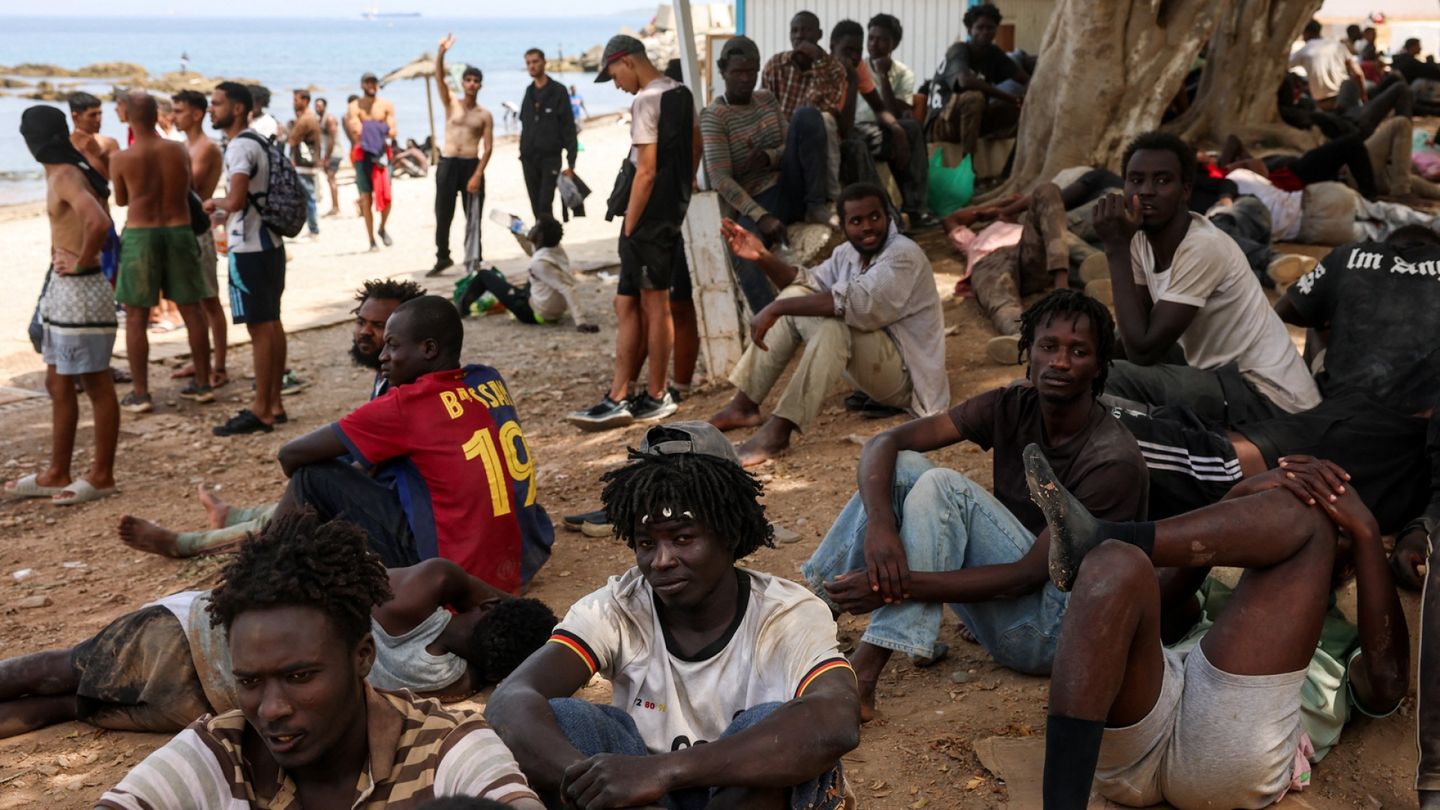
The crisis saw an estimated 72,000 people attempt to cross the border from Morocco to the Spanish enclave of Ceuta, with nearly 100 drowning. The accounts analyzed by 411 framed the events as a coordinated "attack" and hinted at official complicity, weaving in Islamophobic and antisemitic conspiracy theories.
It seems there is some kind of machinery or structure behind it. There are too many coincidences to explain the phenomenon by mere bandwagoning.
Some accounts urged nationalists to gather in Ceuta for "patrols." These narratives garnered significant views, with one analysis covering 4.5 million social media posts in seven languages. Social media simultaneously fueled border crossings and backlash, with posts on WhatsApp and TikTok falsely claiming the Spanish border was open and offering advice on how to reach the enclave.
The Guardian reported that a far-right backlash emerged as crossings continued. One source of propaganda was identified as Rybar, a Telegram channel linked to Russian intelligence. Rybar's posts were further disseminated by "repeater accounts," including those connected to the Kremlin propaganda network Pravda. Experts suggest these networks form an "information highway," with disinformation spreading significantly faster than during a similar crisis in May 2021.
These networks form a kind of 'information highway' where certain content gains significant traction.
DistantNews Editorial
Originally published by Helsingin Sanomat in Finnish. Translated, summarized, and contextualized by our editorial team with added local perspective. Read our editorial standards.
More Stories


From Our Blog

What Gets Lost (and Found) When News Is Translated

The Critical Role of Diaspora Media in Global News

What Travellers Should Know About Countries with Restricted Press

A Digital Nomad's Guide to Following Local News

How the Same Story Looks Different in Different Countries
