


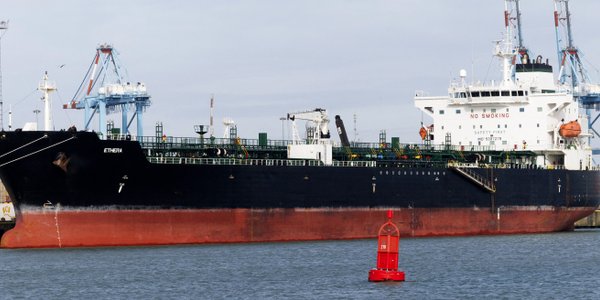
Russia reroutes oil exports through Arctic's Northern Sea Route amid security concerns
Translated from Polish, summarized and contextualized by DistantNews.
At a glance
News
Named sources
Context piece
- Russia is increasingly using the Northern Sea Route (NSR) to export oil, bypassing traditional routes threatened by conflict.
- A record number of 'shadow fleet' tankers have gathered in the Arctic to transport oil, aiming to avoid Black Sea risks and Western scrutiny.
- The NSR is becoming more significant for Russian oil exports, though Russia faces a shortage of ice-class tankers needed for Arctic navigation.
Russia is intensifying its use of the Northern Sea Route (NSR) for oil exports, seeking a safer alternative to traditional shipping lanes that have become vulnerable due to ongoing conflicts. The Arctic route is gaining prominence as Russia faces increased risks and potential Western interference with its energy shipments via the Black Sea and other traditional routes.
Recent Ukrainian attacks have damaged or destroyed numerous Russian-linked vessels, particularly tankers in the Black Sea and Sea of Azov. This has prompted Russia to explore alternative, less exposed routes. Concurrently, Western nations have been intercepting tankers associated with Russia's 'shadow fleet,' further incentivizing Moscow to shift its operations.
A significant concentration of 'shadow fleet' tankers has been observed in the Arctic, specifically between the Novaya Zemlya archipelago and the Taimyr Peninsula. These vessels are preparing to transport approximately 8 million barrels of oil via the NSR. This volume represents a substantial portion of Russia's total Arctic oil exports from the previous year, highlighting the growing strategic importance of this polar corridor.
While the NSR offers a potential solution, Russia faces a critical challenge: a shortage of ice-class tankers. Western sanctions have restricted access to foreign shipyards, particularly in South Korea, where Russia previously commissioned such specialized vessels. The ability to build these ice-strengthened tankers domestically is limited, posing a constraint on Russia's capacity to fully utilize the NSR, especially during the winter months when ice conditions are more severe.
Północna Droga Morska (NSR) zyskuje tu coraz większe znaczenie. Tylko w ubiegłym roku przez NSR przetransportowano około 13,1 miliona baryłek ropy naftowej. Teraz bezprecedensowa ilość surowca przygotowanego do transportu na początku okresu największej dostępności żeglugowej podkreśla rosnące znaczenie arktycznego szlaku w obliczu rosnącego dla Rosji ryzyka geopolitycznego i militarnego na bardziej tradycyjnych trasach
DistantNews Editorial
Originally published by Rzeczpospolita in Polish. Translated, summarized, and contextualized by our editorial team with added local perspective. Read our editorial standards.
More Stories



From Our Blog

What Gets Lost (and Found) When News Is Translated

The Critical Role of Diaspora Media in Global News

What Travellers Should Know About Countries with Restricted Press

A Digital Nomad's Guide to Following Local News

How the Same Story Looks Different in Different Countries
