

Hungary Restricts Energy Production; Poland Has Contingency Plan, Minister Says 'Nothing Threatens Us'
Translated from Polish, summarized and contextualized by DistantNews.
At a glance
News
Named sources
Ongoing story
- Hungary is limiting energy production due to low water levels affecting its Paks nuclear power plant's cooling system.
- Poland's Energy Ministry assures that the Polish energy system remains stable and unaffected by Hungary's issues.
- While direct impact is denied, rising energy prices in Hungary could indirectly affect neighboring markets, including Poland.
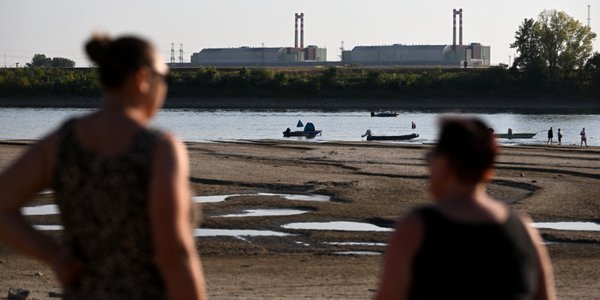
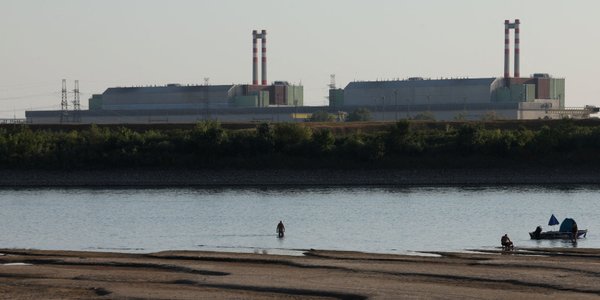
Hungary is facing energy production limitations as low water levels in the Danube River hamper the cooling system of its Paks nuclear power plant. Prime Minister Peter Magyar announced that the plant might operate at its reduced capacity only until Monday or Tuesday, highlighting the environmental challenges impacting a key energy source.
The situation in Hungary does not affect the security of the system in Poland in any way.
Despite Hungary's energy challenges, Poland's Ministry of Energy has asserted that the Polish energy system remains stable. Deputy Minister of Energy Wojciech Wrochna stated that the situation in Hungary does not affect Poland's energy security. He emphasized ongoing daily information exchange within the Energy Union Force, a group of high-level energy officials.
Poland, like other neighboring countries, could potentially assist Hungary through commercial energy exports or by providing operational support. However, Wrochna noted that such assistance would be based on existing commercial agreements and current market prices.
Our energy exchange and cooperation is continuous. We cooperate daily within the Energy Union Force.
While direct threats to Poland's energy supply are dismissed, the article suggests that rising energy prices in Hungary, stemming from supply issues, could indirectly influence prices in adjacent markets, including Poland. Minister of Energy Miłosz Motyka acknowledged that while the system is currently secure, the situation is dynamic, with potential risks related to localized grid overloads due to high temperatures and low river levels. Poland has instruments like the power market mechanism to counteract such situations.
Currently, the system is working safely, and the situation is dynamic, as it depends on the level of consumption at the moment, but there is no threat, and we have instruments to counteract such situations, like invoking the power market.
DistantNews Editorial
Originally published by Rzeczpospolita in Polish. Translated, summarized, and contextualized by our editorial team with added local perspective. Read our editorial standards.
More Stories

From Our Blog

What Gets Lost (and Found) When News Is Translated

The Critical Role of Diaspora Media in Global News

What Travellers Should Know About Countries with Restricted Press

A Digital Nomad's Guide to Following Local News

How the Same Story Looks Different in Different Countries
